

Social Enterprise
SSIR’s 2023 Social Innovation Reading List
Highlights of this year’s book reviews and excerpts on topics including cities, the imagination, disruption, capitalism, and careers.

Highlights of this year’s book reviews and excerpts on topics including cities, the imagination, disruption, capitalism, and careers.
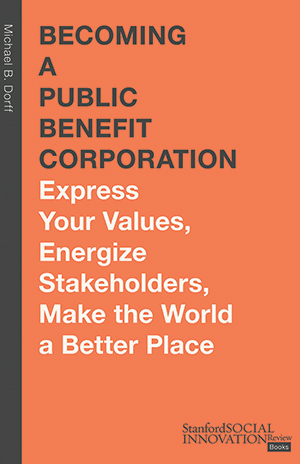
In Becoming a Public Benefit Corporation, Michael B. Dorff contributes a well-balanced examination of the pros and cons of the benefit corporation.
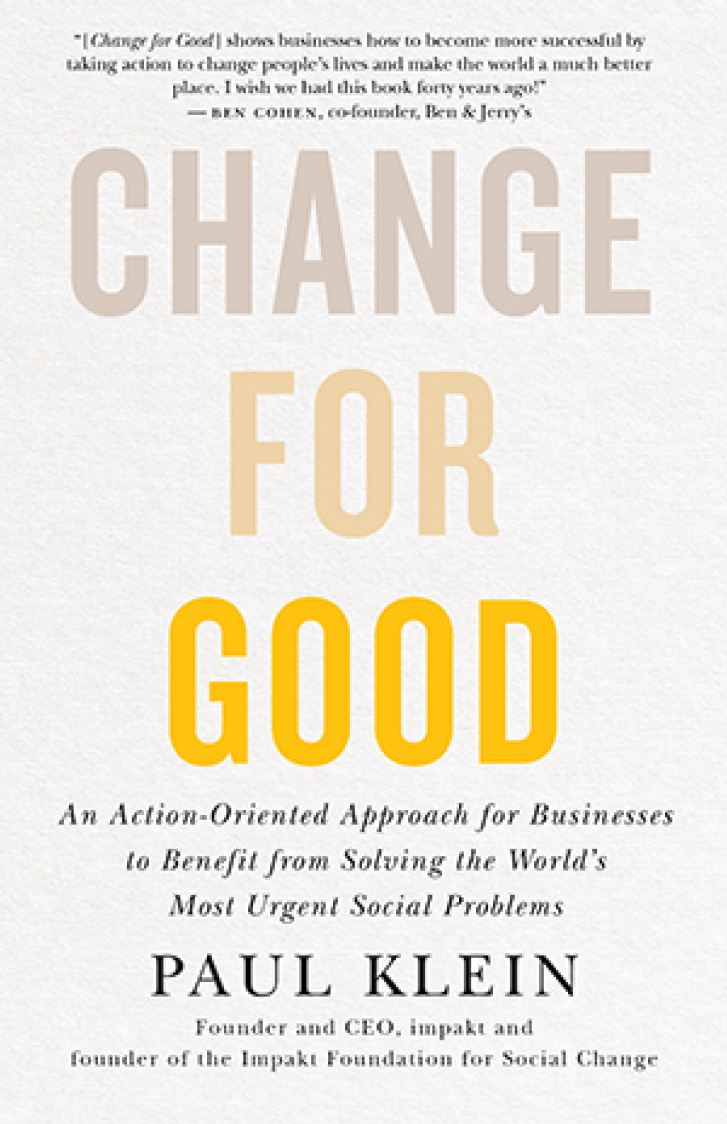
An excerpt from Change for Good on how businesses can shift from social responsibility to social change.

Stakeholders must have more power over the companies that affect them. Giving them a share in ownership and governance is the best way to ensure this.

The campaign to reform capitalism by making companies prioritize stakeholders could never succeed without getting large multinational corporations on board. Now that Danone, Laureate Education, and Natura have signed on, the B Corp movement is demonstrating how it can be done.


Until recently, most of the 3,422 companies (in 71 countries) that have become a B Corp have been small and medium-sized, but a growing number of large, established corporations are starting to undergo the certification process as well.

Nonprofits that wish to integrate revenue-generating activities into their operations must think strategically about who will benefit from them and how they will further their social mission. A feature story from the Fall 2019 issue.

Participant Media, founded in 2004 by Silicon Valley entrepreneur Jeff Skoll, combines boutique film and television production with campaigns to enact social change. A Field Report from the Fall 2019 issue.

A new French law is about to revamp the country’s civil code and its 200-year-old definition of the corporate purpose.

Reflections on a 50-year partnership between an international NGO and multi-national corporation, and why working together in true partnership is the only way to meet the Sustainable Development Goals.