


Human Rights
The Search for Human Rights
Google search trends worldwide suggest that human rights will continue to resonate with resistance movements in the Global South.

Google search trends worldwide suggest that human rights will continue to resonate with resistance movements in the Global South.

As the field of social entrepreneurship is engaged in finding solutions for social inequalities, it often falls short of creating opportunities for those who suffer most from those inequalities to become protagonists.

Companies and nonprofits need to be more realistic and empathetic that consumers’ decisions are not purely driven by cost.

Research does no good if its insights are irrelevant or not applied. Ensuring that evidence influences policy requires developing the right ecosystem and levers for accountability.

Neighborhood investment trusts can help create more inclusive economies in cities and restore the fabric of US democracy.


The massive growth of commercial franchises like McDonald’s offers inspiration for scaling social impact. Although still very young, social sector franchising is spawning an array of successful enterprises that offer lessons for further expansion.
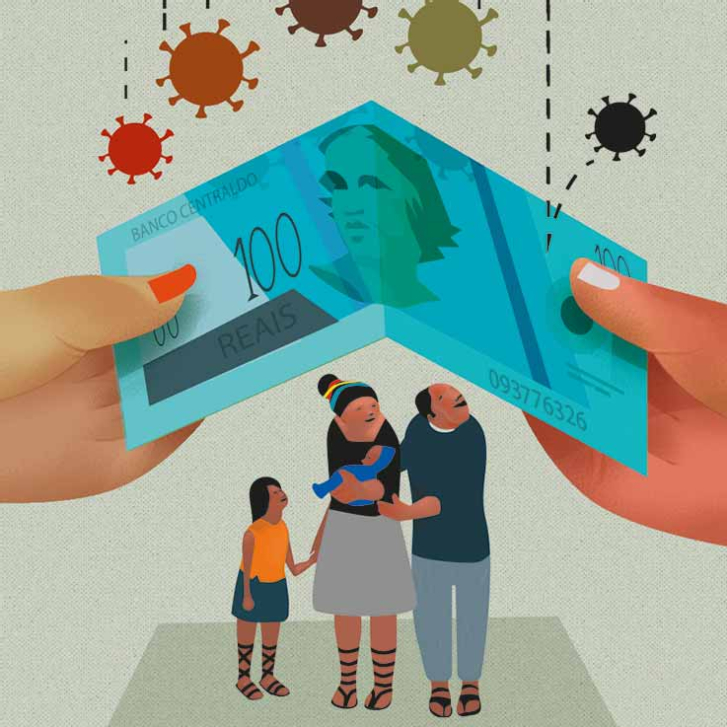
Brazilian civil society worked together to win basic income for the poor. Its success illustrates how organizations must interlock to secure rights and push for social change.

International aid must use different approaches to address the massive systemic problems it seeks to solve.

For the past 30 years, celebrated academics and business leaders have promoted the idea that companies often profit by addressing social and environmental problems. Although these proposals have been hailed as promising breakthroughs, they are unscientific and counterproductive.

Stereotypes cloud our perception of the informal economy, but we have much to learn from the entrepreneurship that unfolds there.