


Nonprofits & NGOs
Inclusive Board Meetings
Diverse teams get better results, but it takes skill and thoughtfulness to make the most of diverse experience at a board table.

Diverse teams get better results, but it takes skill and thoughtfulness to make the most of diverse experience at a board table.

How prioritizing technological expertise on the board level can help nonprofits and social service organizations make the most of their resources and improve outcomes for the communities they support.

Like so many organizations, our environmental nonprofit was rocked by internal conflict. What happened and what did we learn?

A strong leader’s assets can sometimes become organizational liabilities. But why? The problem might be within the structure of the organization itself.

A professional fundraiser suggests five ways to reverse the decline in charitable giving.

Five lessons from a South Korean early-stage nonprofit on why establishing good governance from the beginning matters and how to adapt governance practices as an organization grows.

A collection of standout pieces published online about nonprofit boards, hybrid meetings, Web3, ESG, and public interest technology.
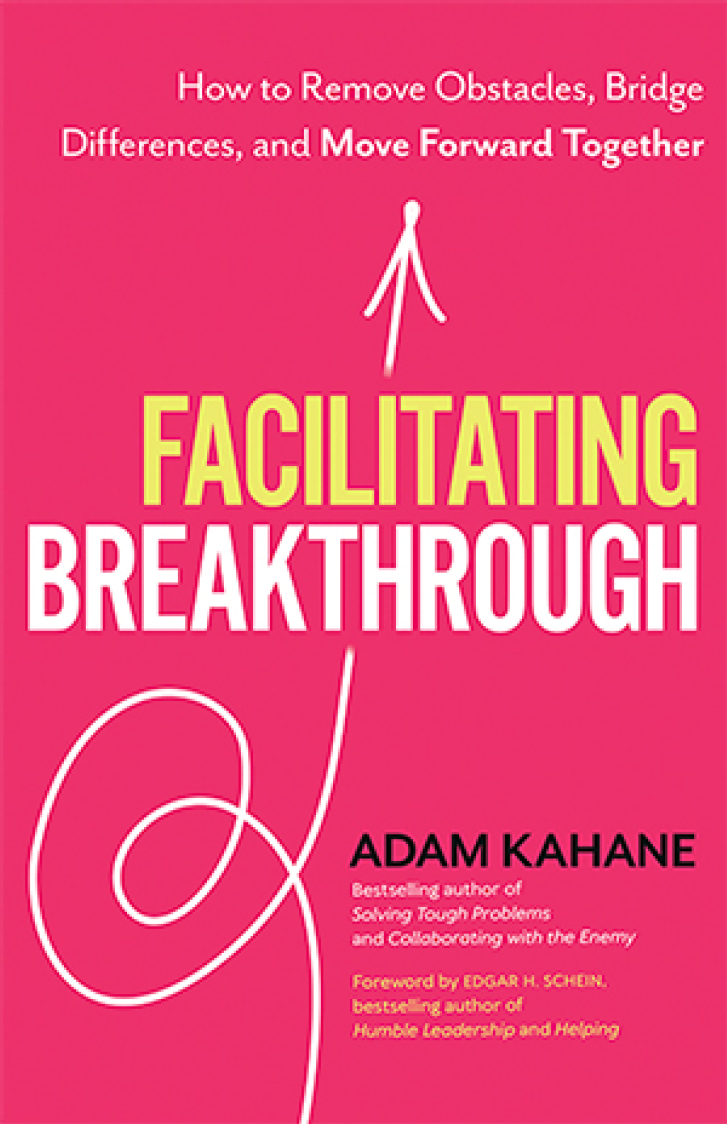
An excerpt from Facilitating Breakthrough on removing the obstacles to transformation.

How a new officer position could be a catalyst for better board performance.

The future of meetings is hybrid. To keep boards and teams fully engaged, nonprofit leaders need to master hybrid technology, program design, and facilitation.