


Leadership
The Cost of Saying Too Little
Managers often communicate less than they should, giving employees the impression that they lack empathy.

Managers often communicate less than they should, giving employees the impression that they lack empathy.

A platform to streamline philanthropic conversation and sharing opportunities needs to start by building community and rapport, rather than merely technology.

A year of working together in a cross-generational group has taught us how to bridge our divides—and leverage each other’s strengths in the climate fight.

Three ways to be more equitable and inclusive with your data and data visualizations.

Developing active listening techniques is essential to creating understanding and the authentic relationships necessary for social change.


Telling diverse and inclusive stories for social change that center marginalized communities and build understanding requires that we show the complex ways communities experience systems of inequality.

Four principles were key to the success of the COVID-19 Solidarity Response Fund, a joint effort of the UN Foundation and the World Health Organization to raise hundreds of millions of dollars to help nations around the world survive the pandemic.
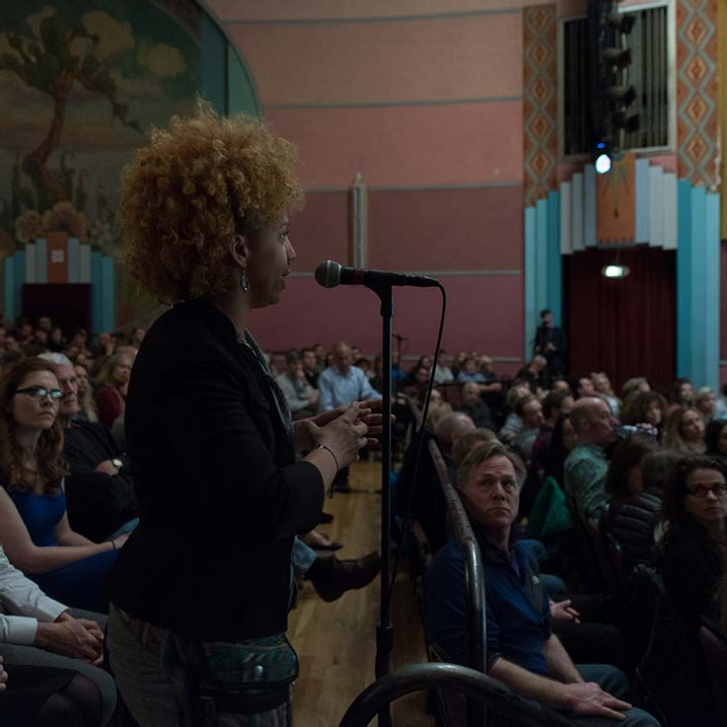
Trusted messengers are important to the success of any advocacy campaign. Here are eight archetypes and four audience contexts to help organizers find the right ones.

The work of cofounders is oftentimes so entwined that they are ready to leave the organization at the same—but who gets to go first?

To have impact in the social sector, we need less jargon and more plain words so that we can reach shared understandings and act decisively together.