


Environment
Making Behavioral Science Work for Conservation
At its core, conservation is about behavior change. Yet few organizations have put in place the structure, standards, and accountability needed to apply behavioral science effectively.

At its core, conservation is about behavior change. Yet few organizations have put in place the structure, standards, and accountability needed to apply behavioral science effectively.

An excerpt from A World of Wounds on finding a new way to heal

If private finance is to shoulder the burden for nature conservation, government has to create the necessary incentive structure.
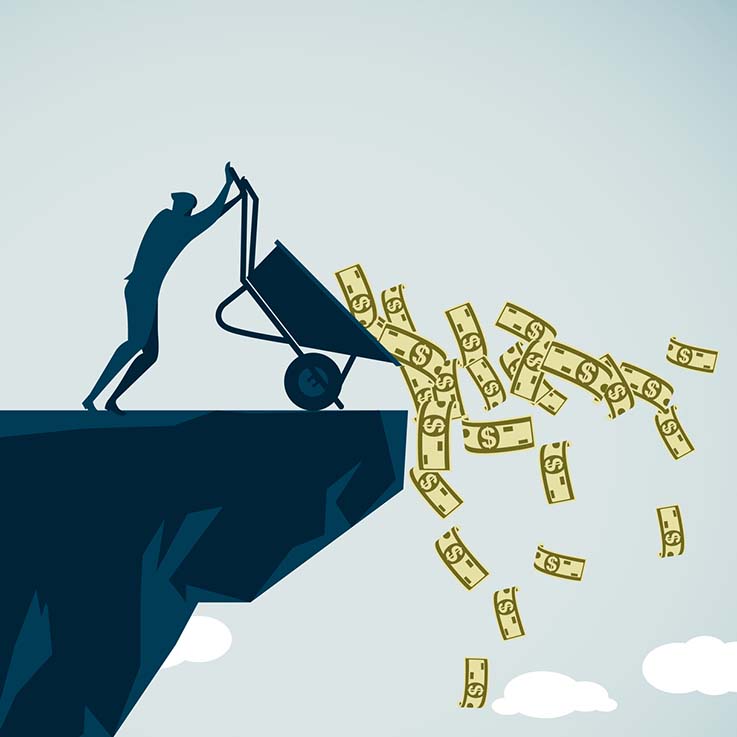
To maximize impact during the sixth mass extinction, giving must focus on “where”
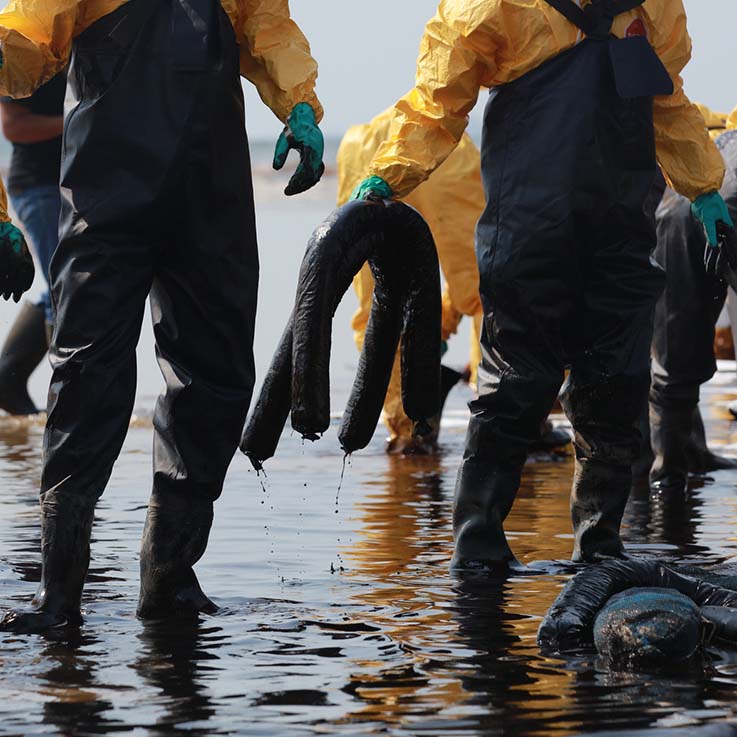
How communities across the globe are using technology to break the oil and gas monopoly on information

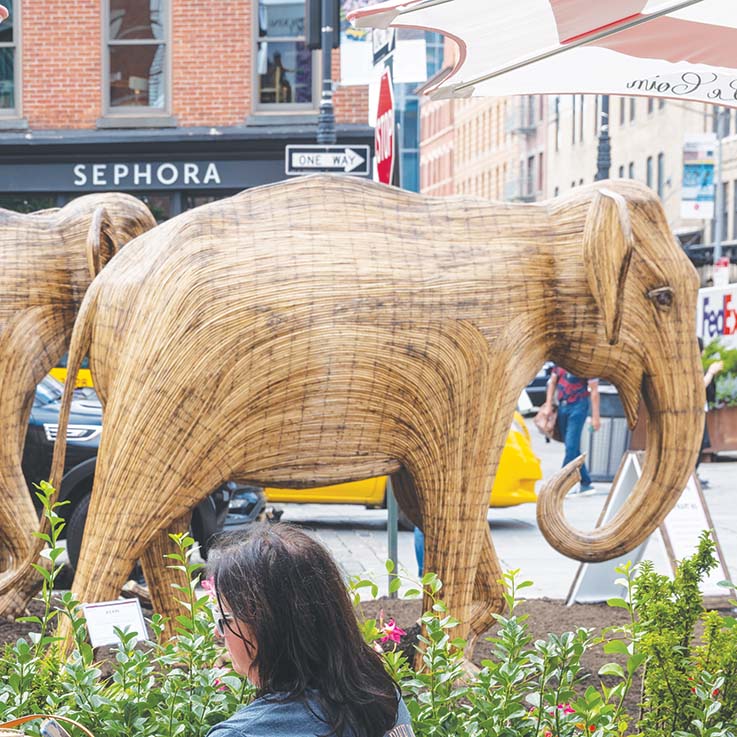
The traveling exhibition The Great Elephant Migration raises awareness about the survival of the elephant species and our mutual coexistence.

An environmental initiative has taken the unusual step of partnering with residents to safeguard affordable housing and jobs.

Because of problems created by the incentive structure for carbon offsets as a mode of climate mitigation, companies should switch to a “contributions” framing to preserve a crucial flow of climate investment.

To reduce global consumption, entirely new value-creation models must be created that can integrate renewable resources into unsustainable industries.

To create a more resilient and equitable world, the fragile potentiality of our planet’s biological and cultural diversity must be converted, conserved, and constructed.