


Business
How Profit Sharing Redistributes Wealth
French profit-sharing rules improve the pay of lower-skilled workers without affecting the growth or productivity of firms.

French profit-sharing rules improve the pay of lower-skilled workers without affecting the growth or productivity of firms.

For nearly a century, US policy prioritized homeownership to build middle-class wealth—leaving many renters behind. But innovative new renter-wealth models are enabling renters to access the American dream.
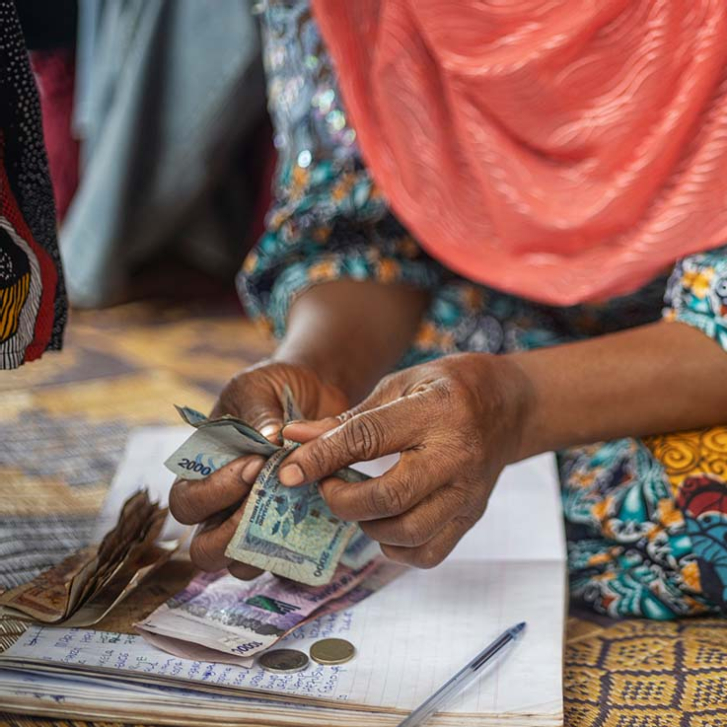
Microfinance isn’t a cure-all solution to poverty, but abandoning it would ignore the real evidence that responsible financial services make a positive, lasting impact on people’s lives.

Two recent books explore the modern prominence of the global financial-inclusion agenda and argue about how it got there.

As humanitarian aid agencies buckle under the collapse of financial support, the private sector must step in to invest in refugees and integrate them into the economy. We review three models of success and offer investment strategies. | This article is free to all readers thanks to sponsorship by the Frank Batten School of Leadership and Public Policy at the University of Virginia.


A Brazilian law to promote more inclusive corporate philanthropy failed to direct more money to underserved communities.

The traditional model of community development finance is limited by market conservatism and a focus on scale, rather than local control. We need a new paradigm that prioritizes impact over scale, emphasizes flexible and creative financing strategies, and empowers community voice. | Open access to this article is made possible by The Center for Community Investment, a sponsored project of Rockefeller Philanthropy Advisors.

Lessons and strategies for developing countries

An excerpt from There’s Nothing Micro about a Billion Women on how financial service providers can reduce inequality and build a more inclusive world by better serving women customers.

As currently structured, requests for proposal (RFPs) are counterproductive to social change efforts. We must redesign granting systems to empower the communities in which we work.