


Philanthropy & Funding
The Unfinished Work of Choosing Well
For all the benefits of philanthropy's turn toward learning, the field still needs a stronger focus on how to make judgments.

For all the benefits of philanthropy's turn toward learning, the field still needs a stronger focus on how to make judgments.

As federal funding disappears and community organizations close, much of the power to respond sits with foundation boards—and the moment to use it is now.

Development finance sees faith-aligned capital as money to unlock. Its bigger value is the centuries-old architecture that lets money move at scale, endure over time, and arrive with trust built into its design.

Funders should measure capacity building by what changes, not just what grantees like.

A response to SSIR’s Summer 2026 cover essay.

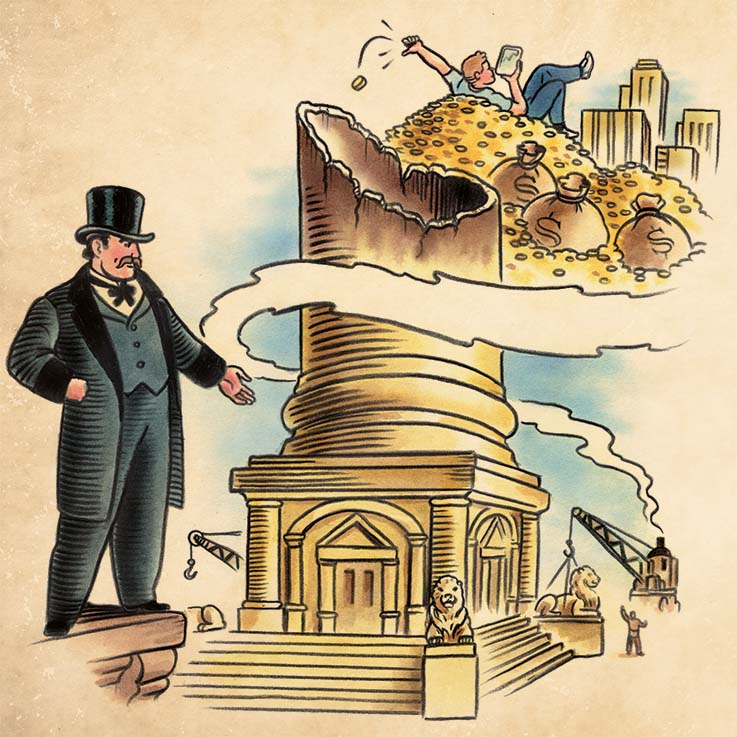
The United States is living through a second Gilded Age. But unlike yesterday's magnates, today's billionaires prefer to write checks to existing organizations. They should instead build institutions that last.

Grant writing is the bridge between vision and resources. Until funders invest in it, grassroots organizations will remain underfunded.

A year of turbulence has exposed the dangers of philanthropic monocultures and upended assumptions about impact, effectiveness, and scale. Embracing the varied intentions that motivate people to give offers a more resilient, pluralistic path forward.

How an excessive focus on methods has distracted attention from the more fundamental challenge of building rigor and learning overall.

Philanthropy's role in Minneapolis must be to build for after the current crisis passes.