


Philanthropy & Funding
Five Accelerators of Equitable Grantmaking and How to Harness Them
In the last two years, this five-cylinder engine has propelled funders to break through historic barriers to change.

In the last two years, this five-cylinder engine has propelled funders to break through historic barriers to change.

Why social impact organizations are acquiring mission-aligned nonprofits.
After many years of excluding the disability community, philanthropy is starting to make changes. The Ford Foundation’s awakening on disability inclusion offers a model for the rest of the sector.
Funders must abandon top-down, one-sided funding approaches in favor of partnerships with the disability community.

Optimizing the path from funder to fundee isn’t something philanthropy has thought about systematically, but the sector should take this moment to build some muscle into it, with an eye toward racial and economic justice.
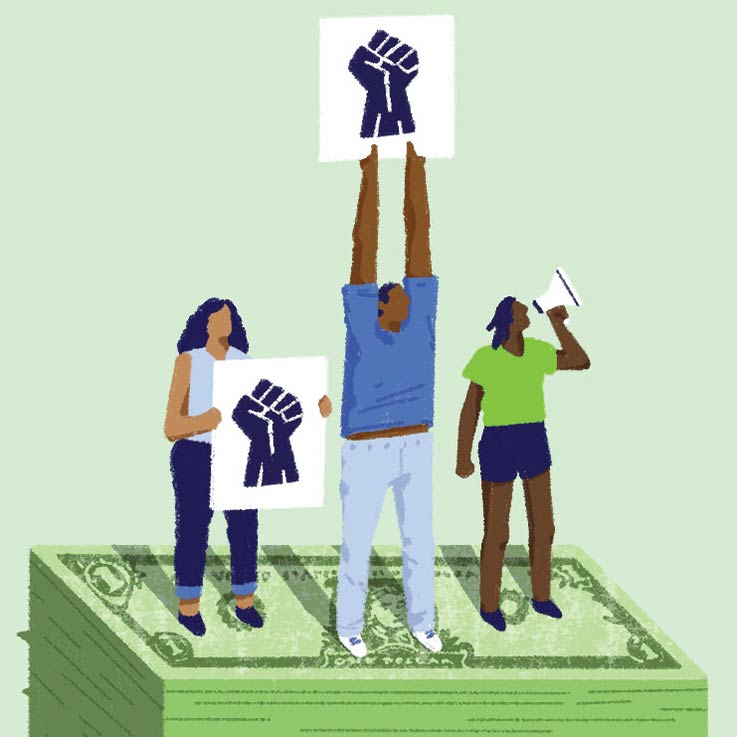
We created the Democracy Frontlines Fund to enable experienced anti-racist organizers to do their crucial work. They taught us how to do philanthropy better.

The growth of double bottom line and impact investing can give nonprofits new ways to raise funds and opportunities to grow their influence.

Disability is a relatively untapped area of investment for philanthropy, but one that offers promise of change and multiple avenues for donor impact.

Centering equity in funding relationships requires trust. It also takes time, resources, and a willingness to shift power to the people closest to the problem.
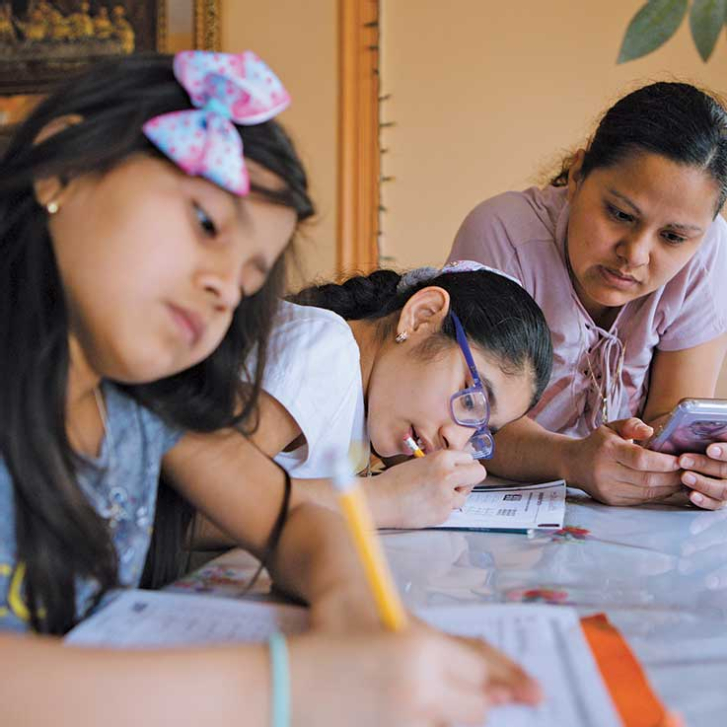
A new framework, Evidence2Success, gave the Children and Youth Cabinet a road map to put equity at the center of its work with young people.