


sponsored
Equity in Implementation Science Is Long Overdue
Implementation researchers and practitioners must examine how the field can be truly equitable. A systemic approach offers a path forward.

Implementation researchers and practitioners must examine how the field can be truly equitable. A systemic approach offers a path forward.

Far from constraining foundations, donor intent protects them from short-term thinking and liberates their creativity.

Amid a global pandemic, philanthropic organizations in emerging markets are finding their voice and challenging historical constructs.

Telling the truth about philanthropy is the first step to transforming it for generations to come.
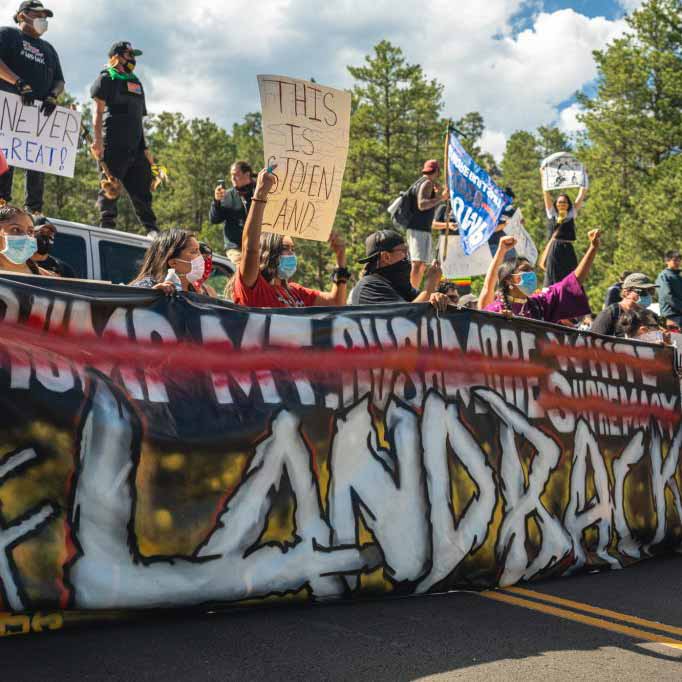
While allies and advisors are important in our work, it’s more important to support and develop our own Indigenous power, leadership, and decision-making.

Indigenous intermediaries are crucial to overcoming asymmetries between impact investors and Native America through the building of relationships of trust, creation of an ecosystem for impact investing in Indigenous communities, and performance of the due diligence investors need to manage risk.
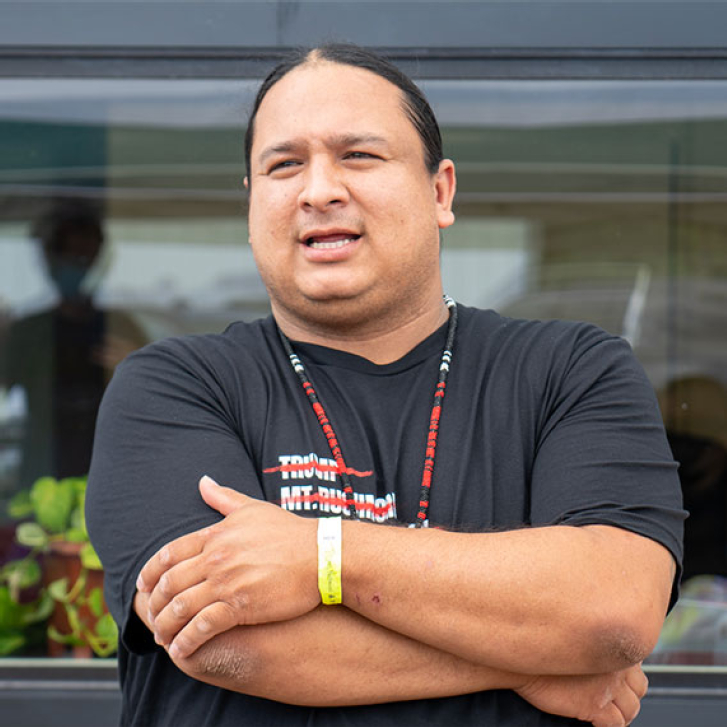
To solve the most pressing issues for Indigenous communities—and for the world at large—power and autonomy must be given to Indigenous people themselves.

To truly advance racial justice, funders must share decision-making power over who receives capital with the communities they hope to serve.

Those with wealth and privilege are uniquely positioned to support the building and reimagining of our tattered and under-resourced democracy-preserving institutions.

By not spending more now, foundations are allowing social problems that have been exacerbated by COVID-19 to worsen in the future. This essay is a response to the keystone article in the Up for Debate series on foundations' payouts during big crises. Visit the series page for more reaction pieces like this one.