


Measurement & Evaluation
Prioritizing Impact Measurement in the Funding of Social Innovation
Impact investors and grant makers can learn from each other.

Impact investors and grant makers can learn from each other.

Racial equity can’t be thought of solely as a funding priority; it must be a critical component of philanthropy’s own way of being.

Trans movements are already building a future where all people can thrive. Funders can exponentially grow their impact, starting by following the lead of trans advocates of color.

A study of MacKenzie Scott’s early giving reveals how transformational generous general operating support can be.

The Kresge Foundation wanted to learn with grantees about work at the intersection of housing and health equity. Their takeaway: Fund community-driven solutions and community power.

Is the future of philanthropy a more collaborative one? The leaders of Funders for Housing and Opportunity share lessons to help the field learn—and evolve—in real time.
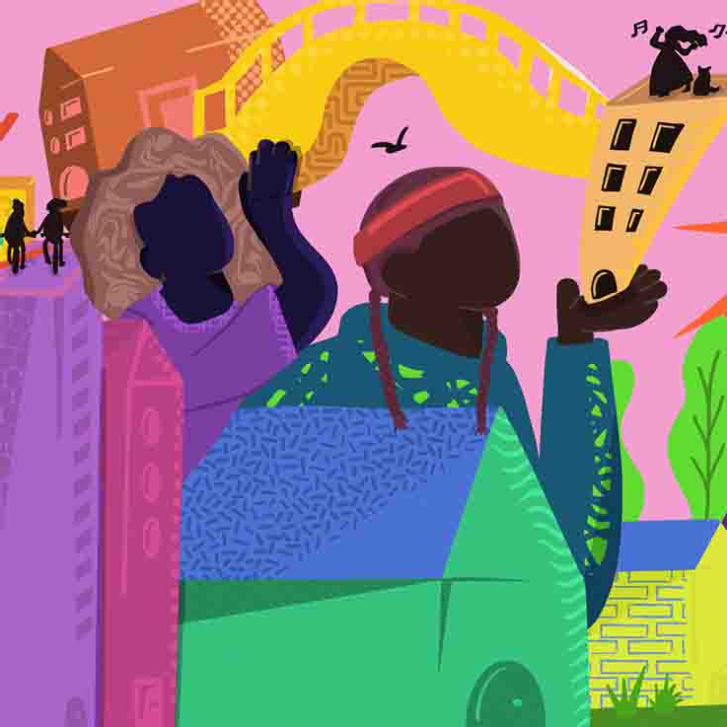
How a national funder collaborative is empowering communities, expanding access to housing in BIPOC neighborhoods, and changing policies, narratives, and systems that perpetuate racial injustice.

Those who are closest to problems are often the ones with the greatest insights into how to address them. In many ways, that's the ethos of participatory grantmaking, which empowers communities to decide who and what gets funded. SSIR publisher Michael Voss speaks with Maria De La Cruz of Headwaters Foundation for Justice, Irene Wong of The David & Lucile Packard Foundation, and Mary Jovanovich of Schwab Charitable about what this approach looks like in action. A sponsored podcast developed with the support of DAFgiving360.
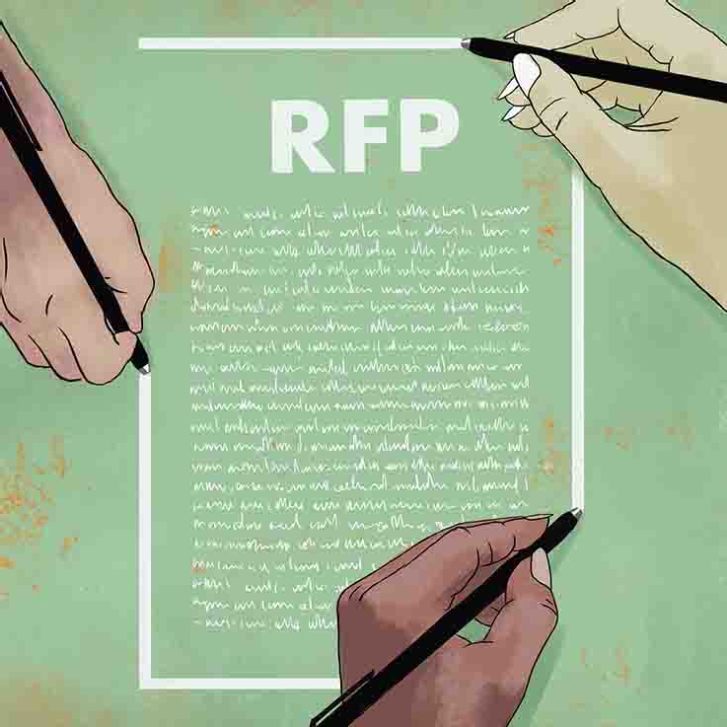
As currently structured, requests for proposal (RFPs) are counterproductive to social change efforts. We must redesign granting systems to empower the communities in which we work.
Philanthropy focused on place helps leverage resources and empower communities. SSIR publisher Michael Voss speaks with Gina D. Dalma of the Silicon Valley Community Foundation, Peggy Davis of the Chicago Community Trust, and Chris Boyce of Schwab Charitable about what a place-based approach to philanthropy looks like. A sponsored podcast developed with the support of DAFgiving360.