
Technology
The Refugee Tech Crisis
Digital projects aimed at helping refugees need to consolidate their efforts and work collectively.
Digital projects aimed at helping refugees need to consolidate their efforts and work collectively.
We must align programs and policies to better support the financial strength and security of families of color today, while keeping sight of the long-term benefits for all of creating a truly inclusive economy.

Fair housing initiatives that focus on dispersion ignore the social structures and processes that result in the inequitable distribution of resources necessary for health.
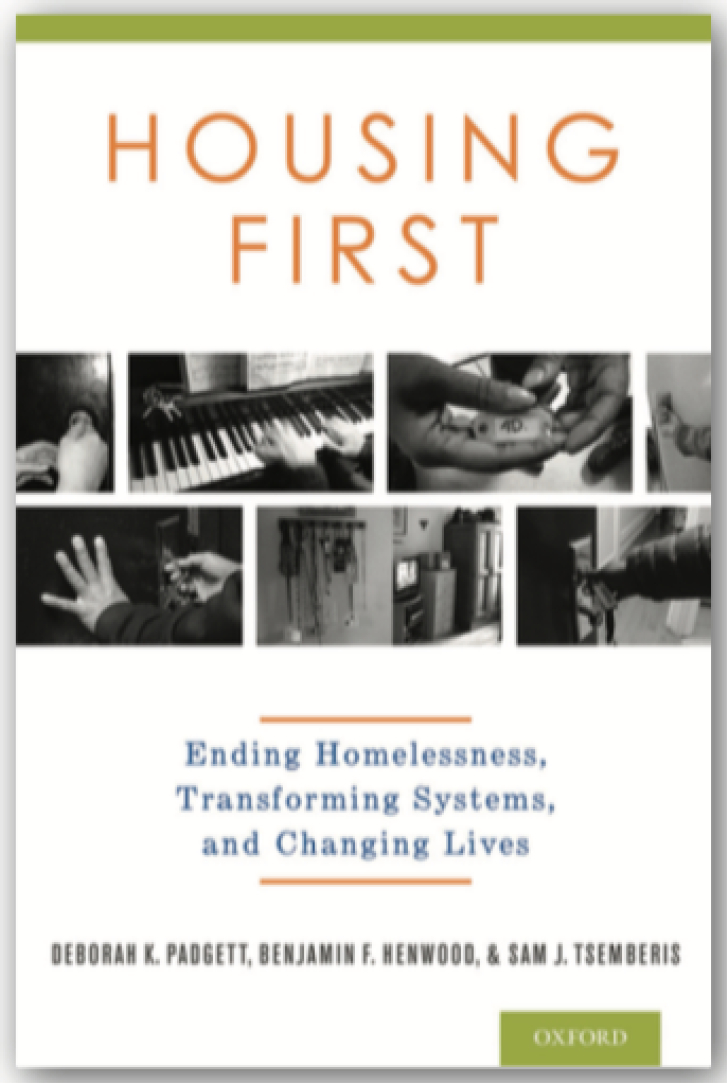
The success of the Housing First movement shows why social service providers must listen to the people they serve.

One of the cities hit hardest by the wave of home foreclosures was Stockton, Calif., a city that later declared bankruptcy.

Collective impact efforts that go the distance align public and private resources, and dedicate themselves to keeping their networks engaged and focused on results.

The financial services industry is at the beginning of a wave of innovation that has the potential to improve consumer financial health.
Housing programs and policies implicitly assume households have stable incomes. Here’s some ways to change them.
Welfare reform to encourage work doesn’t take into account how unstable jobs have become, especially for the poorest.

We can drive more capital to community-driven solutions that deliver results, but first we need a change in mindset—one that focuses on outcomes—using data and partnerships.