


Economic Development
A Model for Restoring the Rust Belt
Deindustrialization hit Chicago's south suburbs hard. Can the Southland Development Authority breathe new life into the area and promote a template for reviving regions?
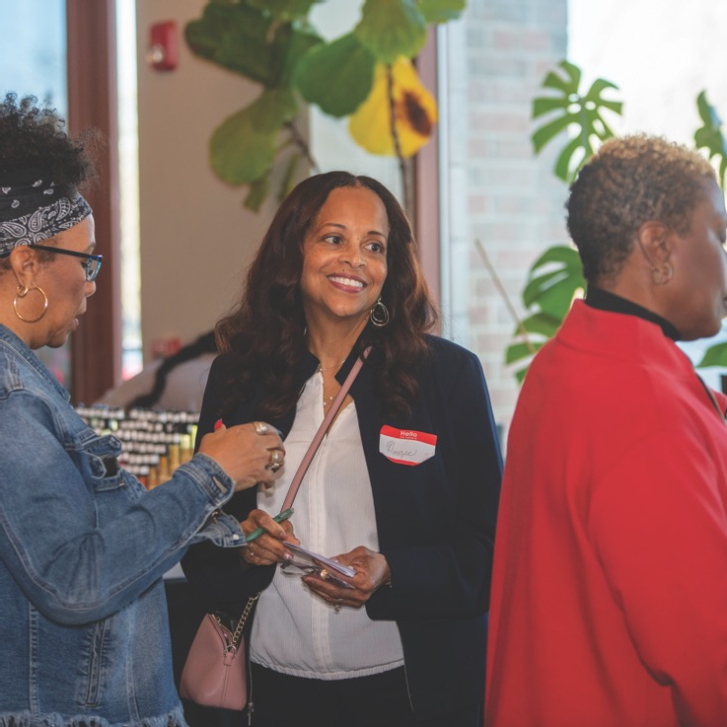
Deindustrialization hit Chicago's south suburbs hard. Can the Southland Development Authority breathe new life into the area and promote a template for reviving regions?
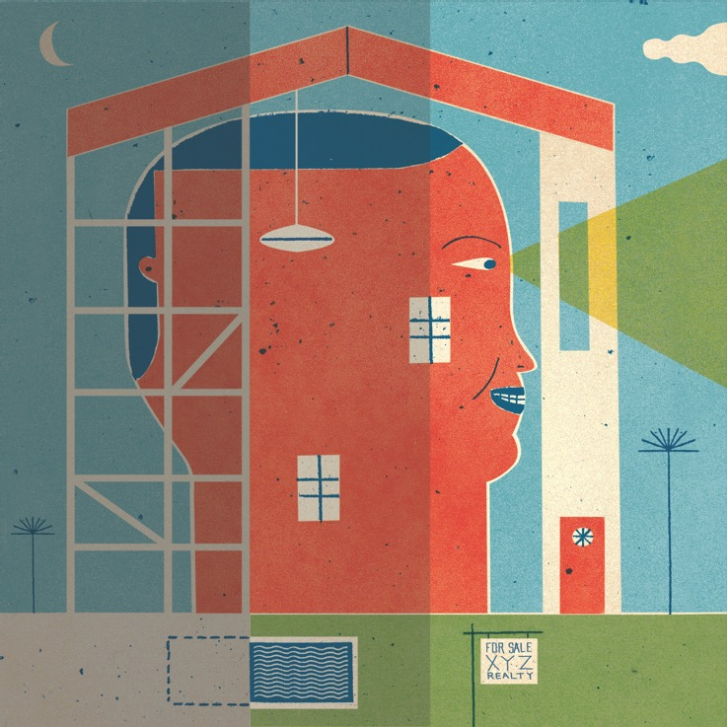
For nearly a century, US policy prioritized homeownership to build middle-class wealth—leaving many renters behind. But innovative new renter-wealth models are enabling renters to access the American dream.

There's validity to the common explanations for the "vibecession," but articles in this issue go deeper into the longer-term loss of agency, growing disbelief in upward mobility, and instability at the root of many people's lives.
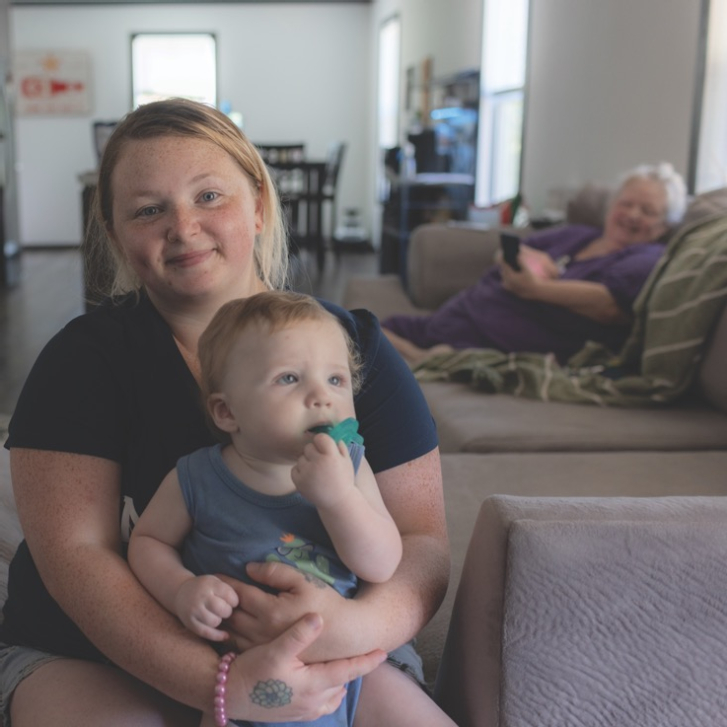
Airbnb.org, the nonprofit arm of the homestay-platform company, is providing short-term homes to families in crisis, first responders, and medical patients worldwide.

Even when landlords use algorithms for tenant screenings, exceptions to the rules are part of the process.


Impact strategies must reckon with the problem that capital is frequently trapped in highly illiquid investments with no prospect of exit.

Abundance and justice aren't mutually exclusive. Narrative lessons from three major advocacy movements of recent years.

Why the current system is broken and what local governments, nonprofits, and philanthropists could do to change it.
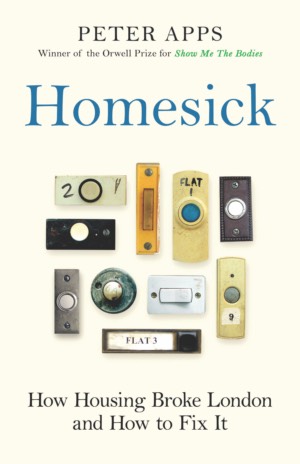
Peter Apps' Homesick argues that beneath the housing crisis of rents and shortages is a deeper history of community-unbuilding.
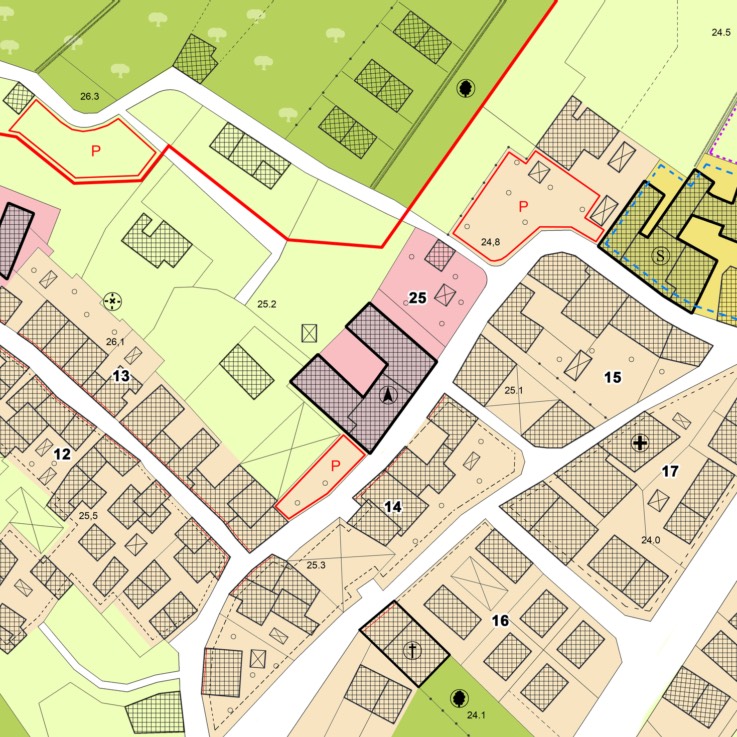
Smart Growth America's new Center for Zoning Solutions offers a headquarters for the zoning reform movement.