Emergency Housing
Airbnb.org, the nonprofit arm of the homestay-platform company, is providing short-term homes to families in crisis, first responders, and medical patients worldwide.
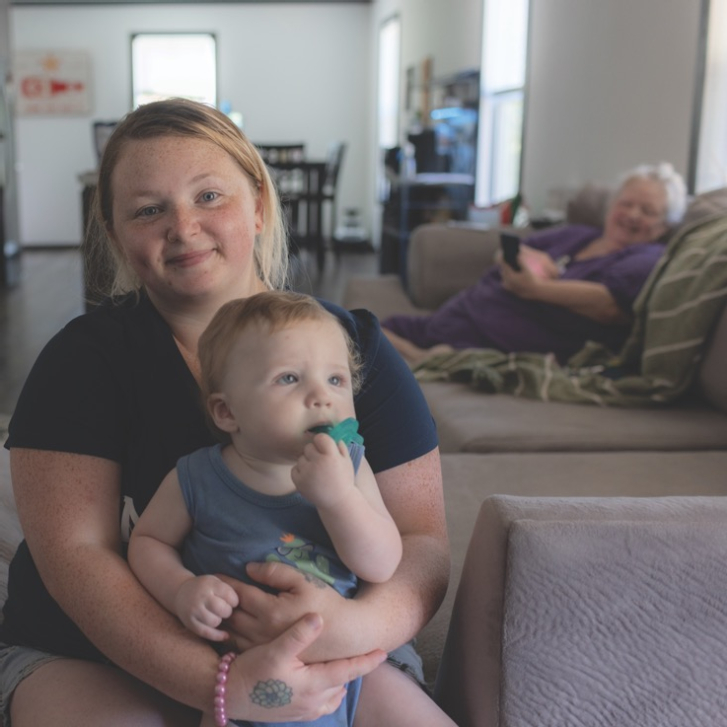
Airbnb.org, the nonprofit arm of the homestay-platform company, is providing short-term homes to families in crisis, first responders, and medical patients worldwide.
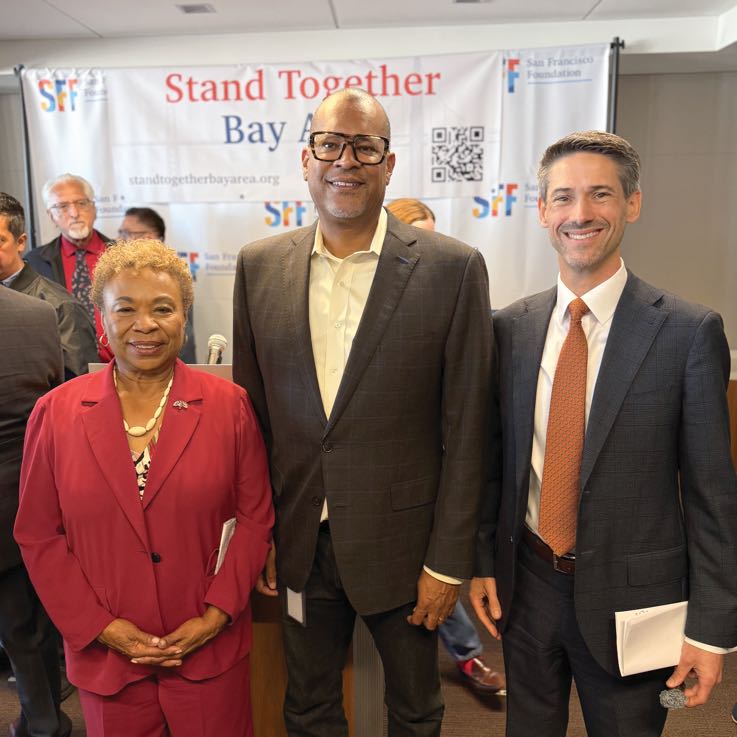
The San Francisco Bay Area mobilizes a regional response for crisis aid amid federal crackdowns on undocumented immigrants.
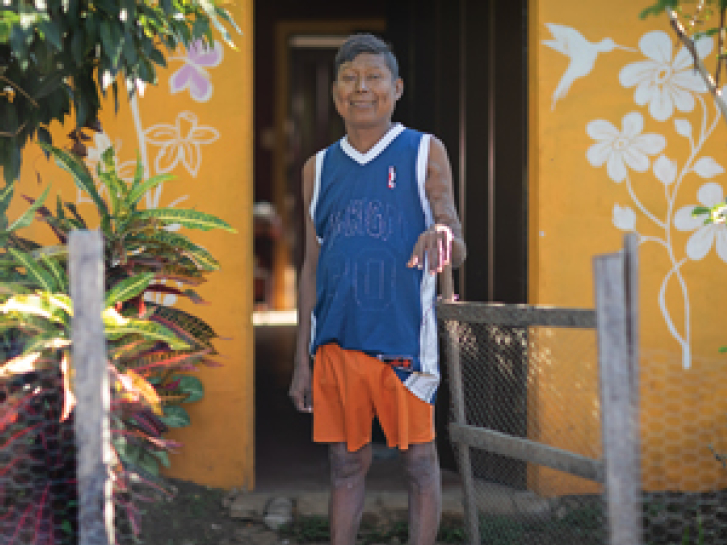
New Story’s 3-D printing software builds houses cheaply and efficiently, demonstrating how technology can leapfrog traditional limitations in local economies and infrastructure. A Field Report from the Summer 2019 issue.
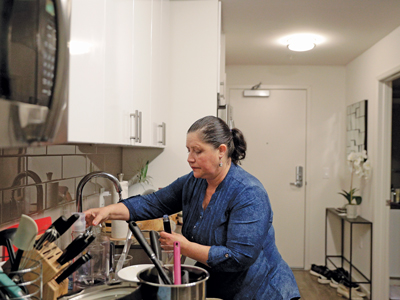
Alia, the new online benefits tool from National Domestic Workers Alliance, helps house cleaners accrue contributions from their clients to purchase insurance and receive paid time off.

Reimagining the Civic Commons claims it has built the first comprehensive set of metrics that connect the impact of revitalization to things like trust between people, neighbors' perceptions of safety, and a community’s ability to draw together people of different incomes, races, and backgrounds.

Civil, a journalism platform built on blockchain technology and funded by cryptocurrency, aims to protect reporters while restoring public trust in the fourth estate.

Little Free Libraries draw neighbors together on street corners, on school campuses, and in police stations.

San Francisco’s Free City program covers tuition at its community college through a real estate transaction tax.

We Love Reading brings imaginative reading circles for children across the Middle East and around the world.

Transforming into banks has given microfinance institutions greater sustainability, but perhaps at the cost of mission drift.

While communities can benefit from the entry of more welfare nonprofits, there is a point after which greater numbers are counterproductive.

Executives fail to support corporate social responsibility more from a lack of moral motivation than from ignorance of the facts.

Worries about the negative effects of unconditional cash transfers to relieve poverty are greatly exaggerated.

Disapproval of welfare recipients who use their benefits to buy “ethical” but costly items is widespread.

Corporations that suffer from reputational threats often form unlikely alliances with social activist groups.

Contrary to conventional economic wisdom, relying solely on carbon taxes will not create an optimal transition to clean energy.

In working with stigmatized groups, an organization must manage the risk that it may experience stigma as well.

A shift in the language used to describe and report social impact reflects the influence of an elite group of financial professionals.

During a critical period in its history, Greenpeace restructured its organization in order to leverage gains made at a local level.

When a for-profit company partners with an NGO, it must carefully manage employees’ adjustment to a new organizational context.

The demographic profile of Airbnb users doesn’t quite reflect the egalitarian goals of the “sharing economy.”

By pursuing approaches to philanthropy that convey sincerity, companies can reap financial as well as reputational benefits.

People who rise within a hierarchy often develop qualities that make it hard for them work together in groups.

In a hybrid organization, the trade-offs between social and commercial goals are real—and they require careful management.

The response by US foundations to federal welfare reform in the 1990s illuminates their role in policy development.

In both online and offline venues, activists at Color of Change are pursuing the fight for racial justice at Internet speed.

A financial literacy program created by the Charles Schwab Foundation and the Boys and Girls Clubs of America has reached a half million teens.
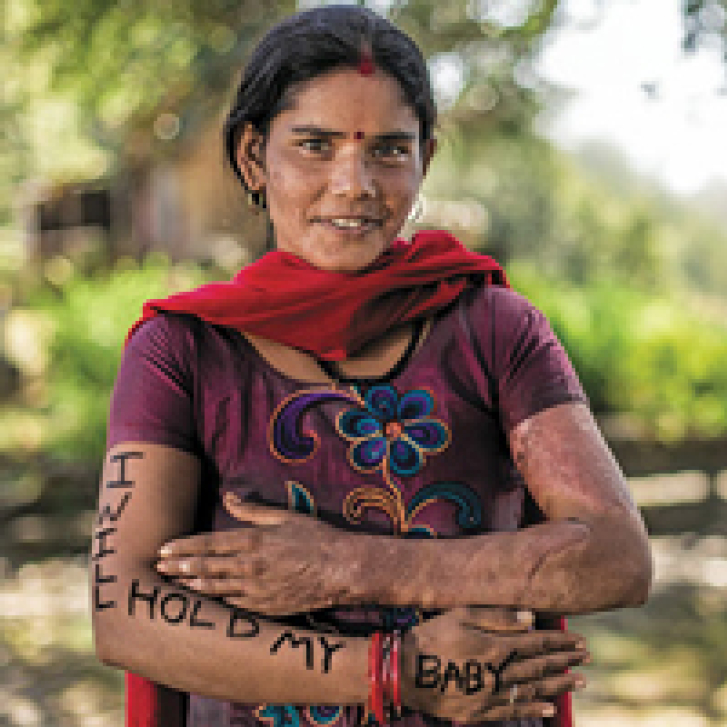
In Nepal, a US-based nonprofit is partnering with the national government to deliver full-service medical care in remote areas.

How Goldman Sachs deployed a far-reaching, data-driven strategy to further the cause of women’s entrepreneurship. Includes magazine extras.
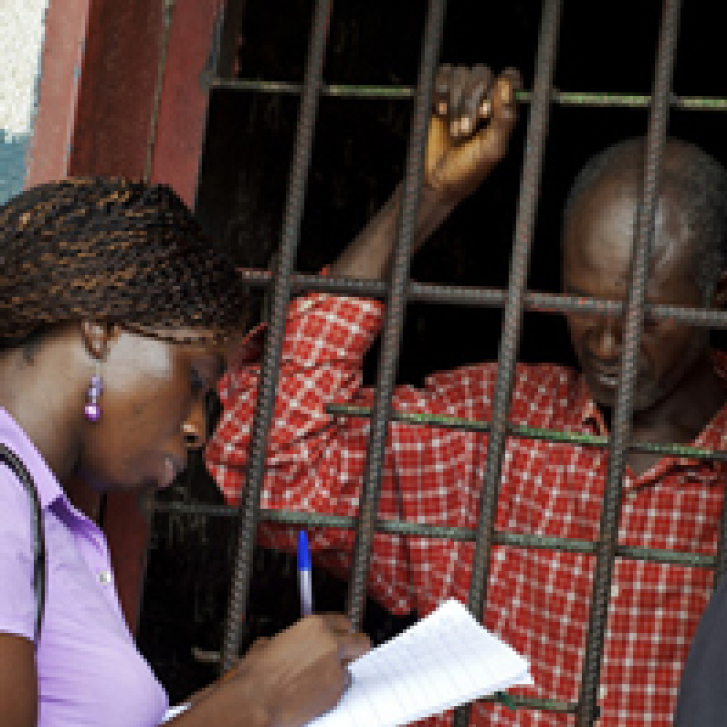
Timap for Justice trains ordinary citizens to provide legal assistance in a country—Sierra Leone—where legal professionals are scarce.

People who perform volunteer work, far from being distracted by it, tend to perform better at their jobs.

After a disaster, donors to relief funds pay more attention to the death toll than to the needs of survivors.

Fitted for Work gives women what they need—from a new look to a new skill set—to advance in their careers.

The Center for Community Self-Help provides financial services to those who can’t afford to live without them.

New York’s Center for Economic Opportunity tests new antipoverty programs from the mayor’s office.


Grassroot Soccer uses the world’s most popular sport to educate kids in sub-Saharan Africa about HIV and its prevention.