



Government
Too Many Elections
Low-turnout off-cycle elections are bad for everyone. Civil society can help.
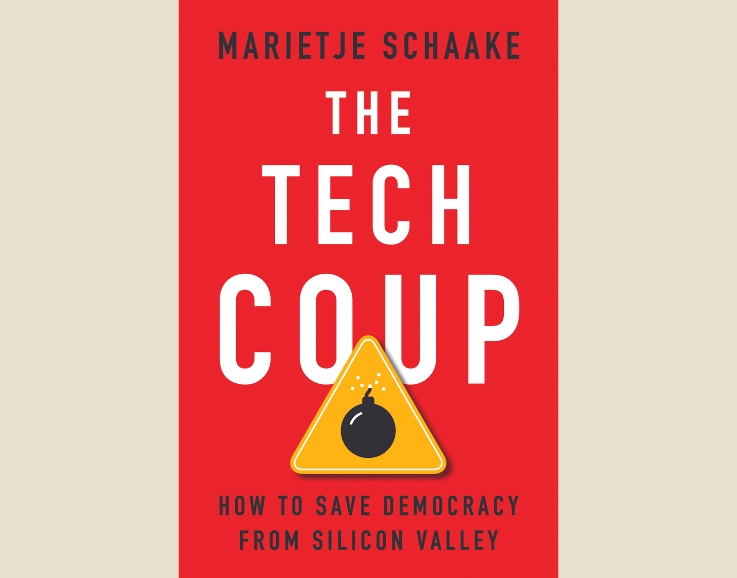
In The Tech Coup, former politician turned AI policy analyst Marietje Schaake warns that governments have ceded too much power to Silicon Valley—to the detriment of the public good.
Low-turnout off-cycle elections are bad for everyone. Civil society can help.

To address government workforce shortages, the public sector must apply an outcomes-driven model to its culture and change the workplace to meet Gen Z where they are.

More than an obligation, taxation contributes to the only systems ever shown to deliver essential services equitably and at scale.
Two humanitarian leaders working on the front lines of disaster and conflict recently cofounded The Aid Cloud, an innovative platform that connects private funding with local humanitarian organizations in a post-USAID world. N Hlaing and Jose Ravano speak with host Barbara Wheeler-Bride about the funding gaps in humanitarian and development work right now, why it’s often difficult for aid to arrive quickly in a crisis, and why it’s crucial to fund local organizations directly when communities are vulnerable. Giving With Impact is developed with the support of DAFgiving360®
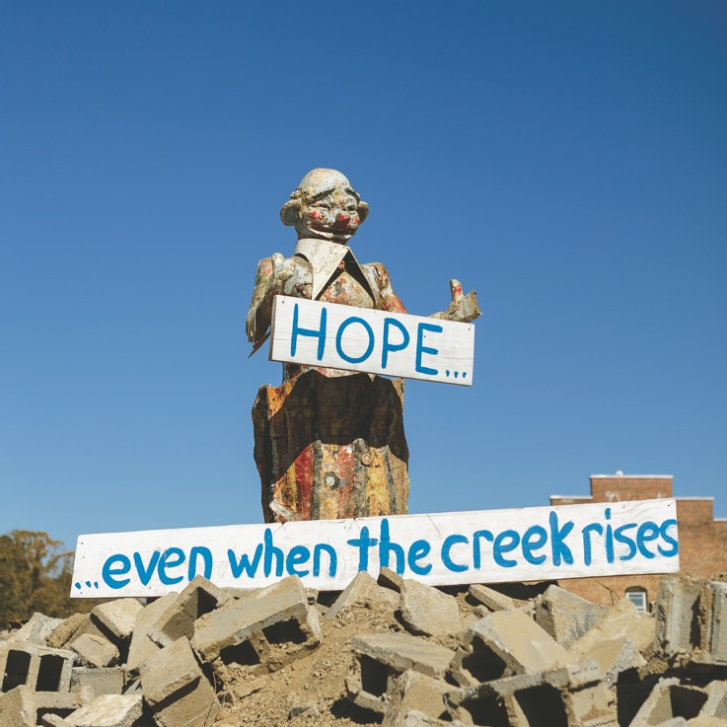
Appalachia's trust-based recovery from climate disaster offers a vision of the future and a road map to follow, for anywhere in the world where underdeveloped infrastructure is exposed to climate volatility.

Choosing the right path to scale depends on the nature of the problem we're trying to solve.
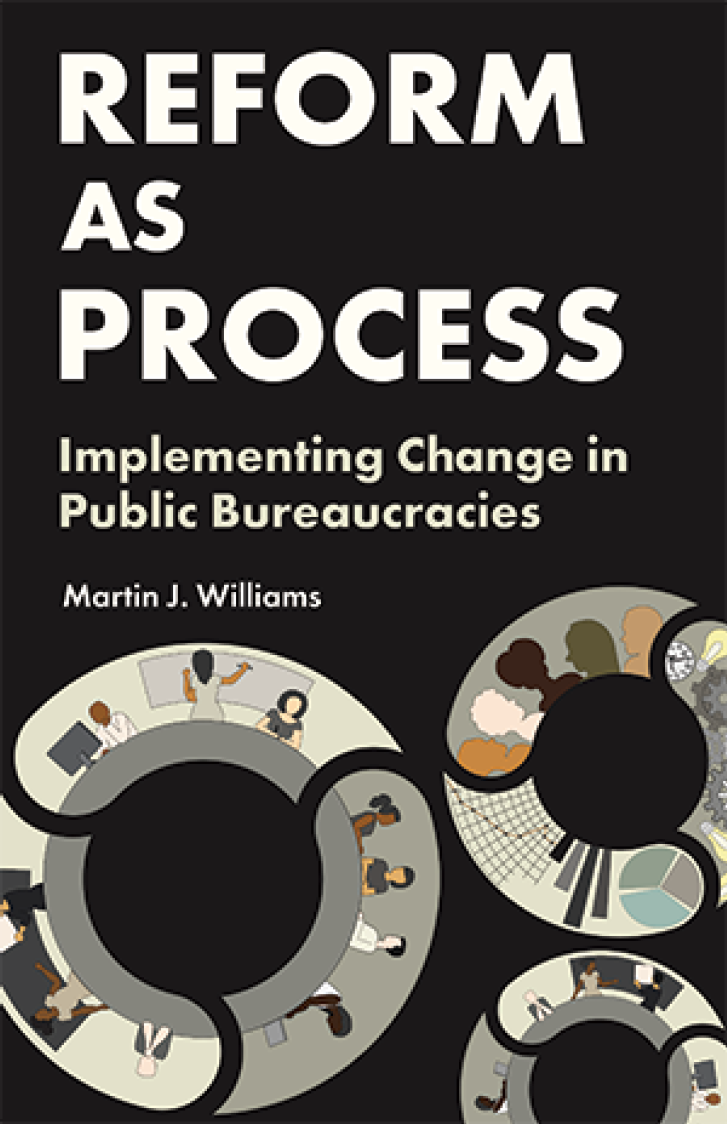
An excerpt from Reform as Process on reforming government bureaucracy


Large-scale social change requires broad cross-sector coordination, not the isolated intervention of individual organizations.

With an understanding of these 10 funding models, nonprofit leaders can use the for-profit world's valuable practice of engaging in succinct and clear conversations about long-term financial strategy.

Laws and programs designed to benefit vulnerable groups, such as the disabled or people of color, often end up benefiting all of society.
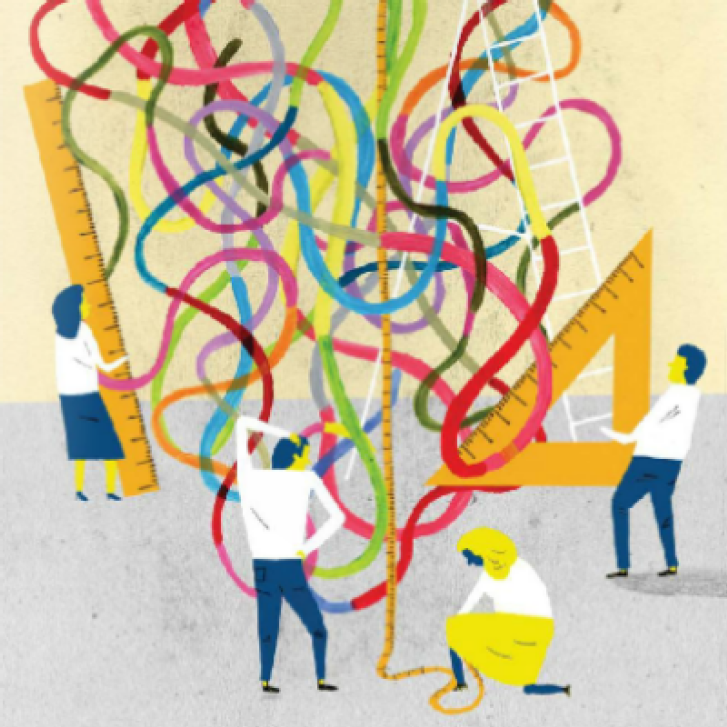
Too many people believe social value is objective, fixed, and stable, when in fact it is subjective, malleable, and variable.

Six pathways to making housing more affordable and available from the Ivory Prize for Housing Affordability.