


Arts & Culture
The Ask
An excerpt from Good Influence on harnessing the “Influencer Effect” for impact
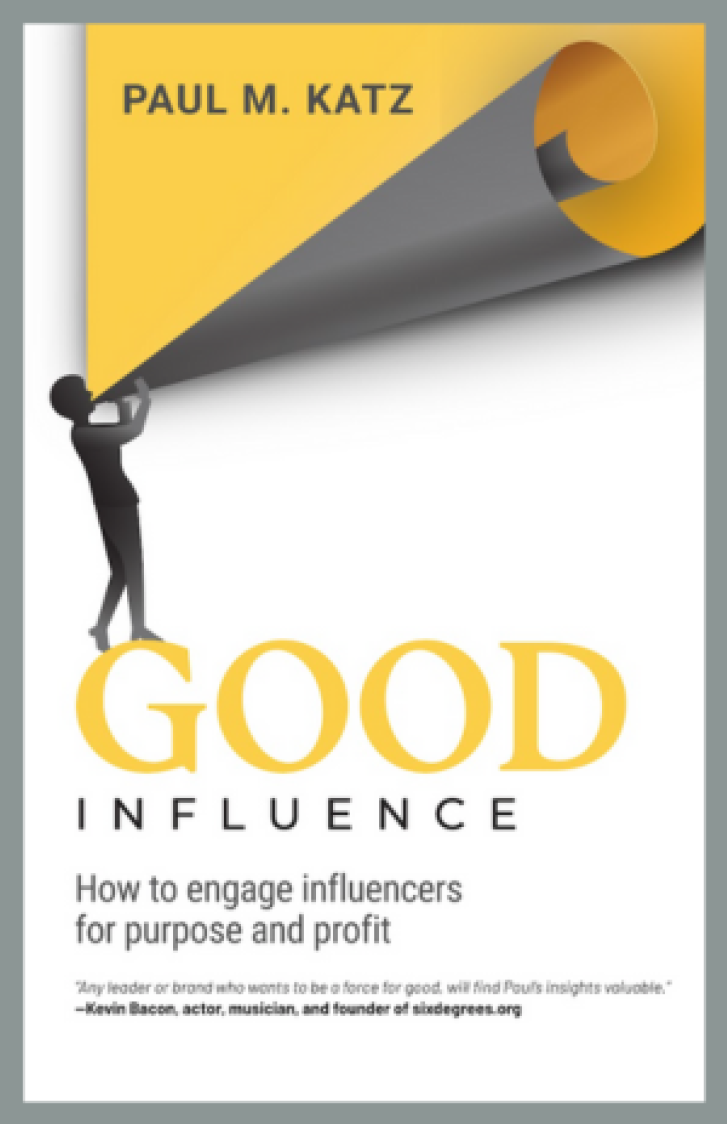
An excerpt from Good Influence on harnessing the “Influencer Effect” for impact

The pursuit of better social outcomes, not new products, should drive the international development community’s approach to innovative finance.

A new report calls into question the future of ESG integration.
While large amounts of money can make a difference, it’s not the only way that philanthropists can have an impact.
How grassroots movements create durable and transformative impact.


Developing an impact strategy means embracing the murky problem of the future.

Scale is a verb, not a noun: The trajectory and curve of impact are more important than the numbers.

Participants are not simply the intended beneficiaries of nonprofit programs. Their organizational experience, in addition to their program experience, should guide nonprofit management to achieve more meaningful social impact.
For nonprofits that want to grow more than incrementally, mergers present a big opportunity—and big risk.
An excerpt from Compassionate Counterterrorism highlights development-based interventions that have deterred terrorist recruitment.