Leadership
Mending the Broken Development Link
To build stronger relationships with development staff, nonprofit leaders must understand the work and set feasible fundraising goals.
Innovative ways leaders can achieve organizational and societal goals

To build stronger relationships with development staff, nonprofit leaders must understand the work and set feasible fundraising goals.

Addressing today’s most pressing challenges requires developing the capacity to lead collaboratively and to effectively work across sectors.
Becoming an effective cross-sector leader requires a set of skills built around three broad areas: building teams, solving problems, and achieving impact.

New research shows that most nonprofits fall short in important areas of performance. But stakeholders who operate at a systems level can do a lot to help solve this problem.
Recommendations for nonprofit staff, board members, and philanthropists.

Surmounting daunting social challenges such as ending malaria or achieving marriage equality can require the help of an intermediary organization—a field catalyst—that amplifies the efforts of others. Open access to this article is made possible by The Bridgespan Group.
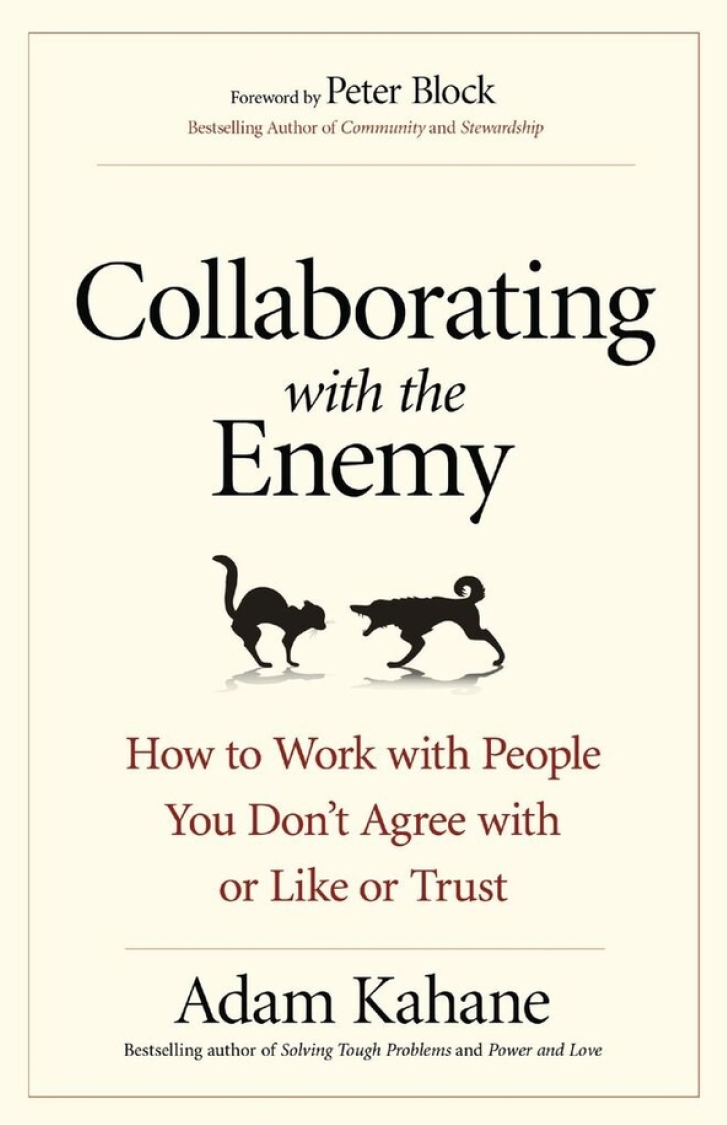
Although his advice could at times be more concrete, Kahane offers an effective critique of current approaches to collaboration and shows the need for a different way of working together.
How focusing on the three organizational pillars of culture, people, and leadership can help fuel meaningful collaboration.

To function well, social organizations need to promote understanding of and compassion toward not just the people they serve but also their own employees.
Foundation leaders know the social sector needs more and better collaboration for impact, but four barriers often get in the way.