Nonprofit Management
The Nonprofit Paradox
Nonprofits tend to recreate within their own organizational cultures the very social problems they are trying to solve.

Nonprofits tend to recreate within their own organizational cultures the very social problems they are trying to solve.

How can you leverage the power of design thinking and psychological research with practical tools and strategies to get your social enterprise off the ground? In this university podcast, sponsored by the Stanford Center for Social Innovation, Stanford Graduate School of Business marketing professor Jennifer Aaker introduces the "dragonfly effect" model to illustrate how technology can be used to support business and social missions.

A PARADISE BUILT IN HELL: The Extraordinary Communities That Arise in Disaster by Rebecca Solnit
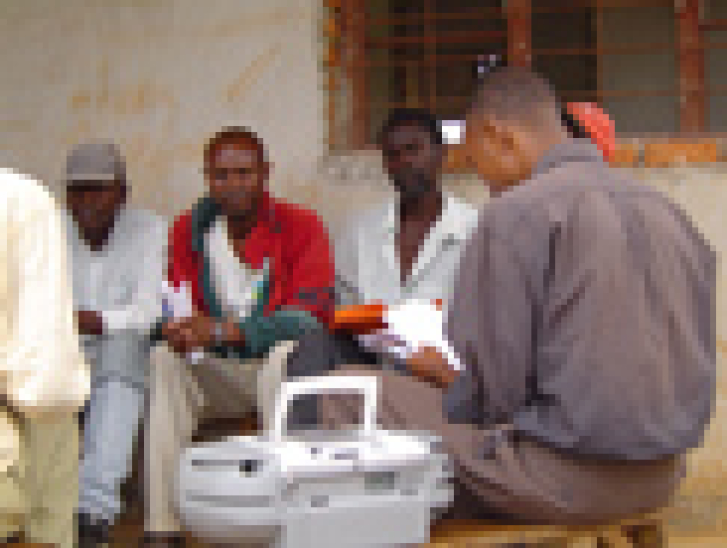
In Rwanda, Radio La Benevolencija uses soap operas to heal ethnic tensions. Listeners who tune into a weekly show about feuding ethnic groups are more likely than non-listeners to stand up to authority and to voice their own opinions.
Studies show that a majority of Americans know they are eating too much and actually wish to lose weight. So why isn’t the industry doing more to address this issue?

What does social responsibility look like after age 50? In this panel discussion, sponsored by the Stanford Center for Social Innovation, academic experts talk about how they've found meaning in their own lives, and what their research reveals about how others may take advantage of a long lifespan to make purposeful contributions to society. How is the new move toward "encore" careers helping people find motivation in the second half of life, and how are economic realities impinging on the dream of unlimited opportunity?

A powerful tool to engage givers is storytelling – telling stories about people, the problems they face, and the role philanthropy can play in addressing the symptoms and causes of those problems.