


Environment
Locked In
An excerpt from Sink or Swim on adapting to the climate change we can't prevent
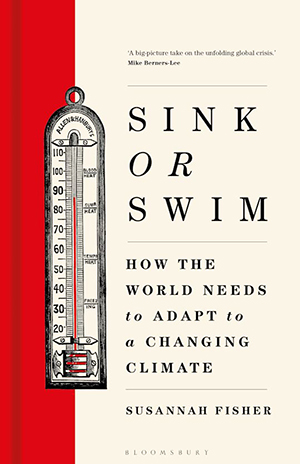
An excerpt from Sink or Swim on adapting to the climate change we can't prevent

Foundations and nonprofits built the tools that companies now use for ESG reporting, brand credibility, and risk management. Is there a funding model for maintaining these tools so they remain credible, transparent, and financially viable?
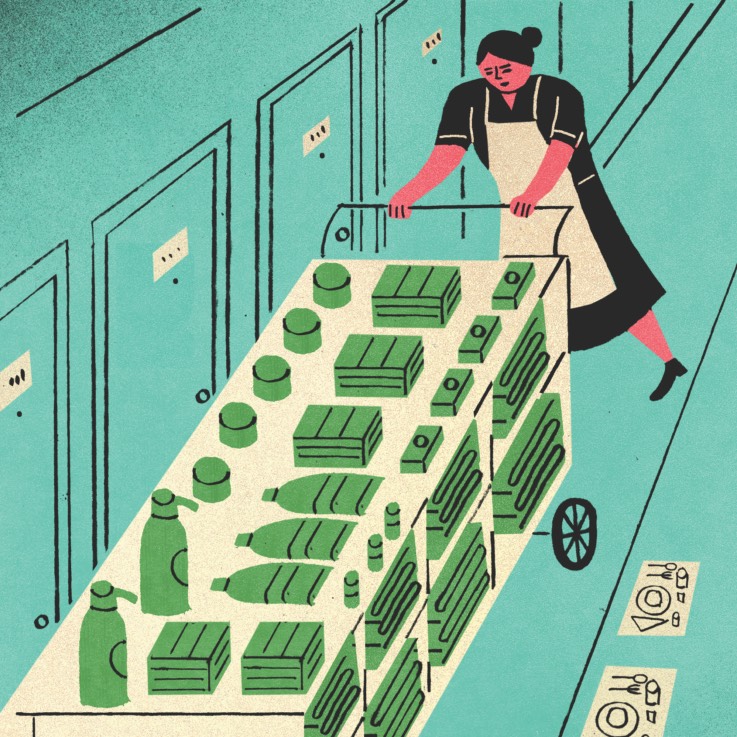
The hospitality sector can better serve its customers and communities if it rethinks how it procures goods and services.
What the fashion industry can learn from Renewcell’s bankruptcy about navigating the volatile terrain of sustainable ventures.

Engaging directly with business was never the environmental movement’s first choice—and for good reason.


People working within fashion supply chains must collaborate to determine where and how their evolving business models can contribute to circularity.
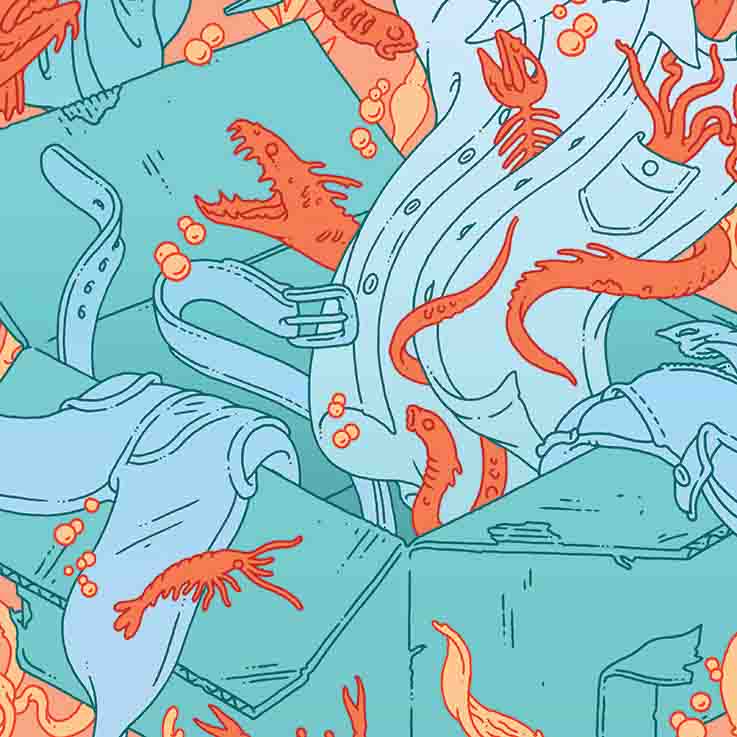
As the fashion industry’s environmental footprint attracts increasingly negative attention, circular business models are promoting opportunities to sustain growth by decoupling revenue streams from resource use.
In this Up for Debate series, Ken Pucker, former Timberland COO, explains the industry’s turn to circularity and the barriers to its adoption, then researchers and experts in the sector respond.

It’s time for funders to get real about what social entrepreneurs need to succeed.

Businesses need to take actions that improve not only the environment, but also human health and well-being, particularly among vulnerable communities in their value chains.

How businesses can transform procurement practices to strengthen farmer livelihoods and improve environmental impacts.