


Cause Marketing Does More Harm Than Good
I believe that cause marketing programs erode the joy of giving, turn consumers into cynics, and contribute to the overall loss of faith and trust in the nonprofit sector.
I believe that cause marketing programs erode the joy of giving, turn consumers into cynics, and contribute to the overall loss of faith and trust in the nonprofit sector.
U.S. Secretary of Education Arne Duncan and Chairman of the House Committee on Education George Miller, address the NewSchools Summit 2010.
Are we still committed to providing a world-class public education for all our children?
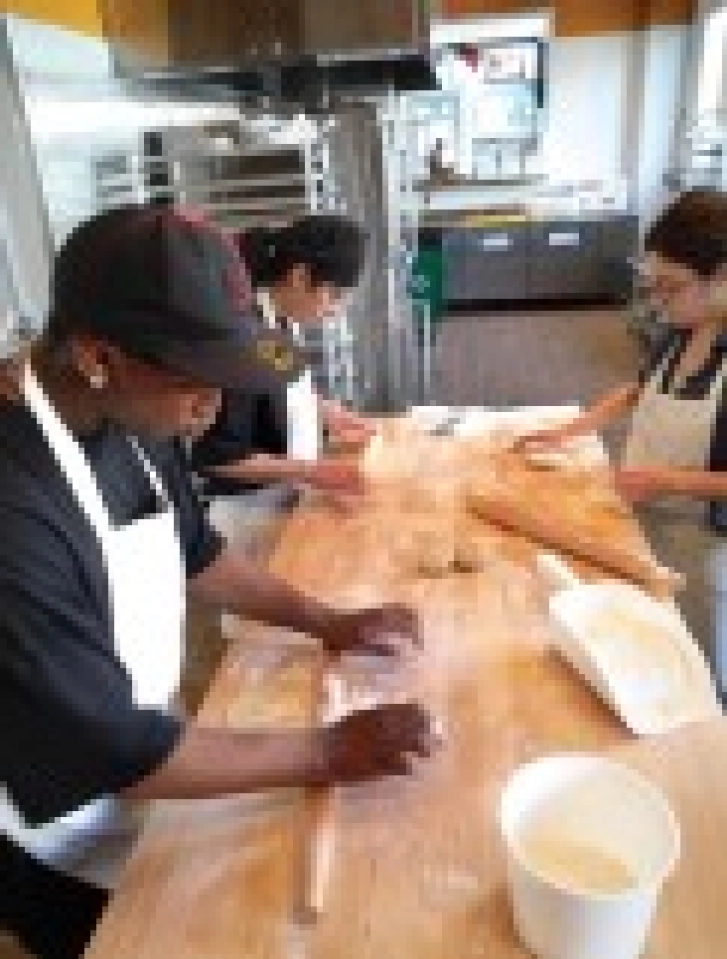
Mission Pie, a for-profit bakery and café, supports local farmers while training at-risk kids.
A social media campaign aims to increase awareness of areas that reduce health risks for domestic workers and employers alike.


Despite spending vast amounts of money and helping to create the world’s largest nonprofit sector, philanthropists have fallen far short of solving America’s most pressing problems. What the nation needs is “catalytic philanthropy”—a new approach that is already being practiced by some of the most innovative donors.

Two veterans of consumer psychology, marketing, and entrepreneurship provide a guide to using social media for social change.

From pink ribbons to Product Red, cause marketing adroitly serves two masters, earning profits for corporations while raising funds for charities. Yet the short-term benefits of cause marketing—also known as consumption philanthropy—belie its long-term costs. These hidden costs include individualizing solutions to collective problems; replacing virtuous action with mindless buying; and hiding how markets create many social problems in the first place. Consumption philanthropy is therefore unsuited to create real social change.
Consumers say they want to buy ecologically friendly products and reduce their impact on the environment. But when they get to the cash register, their Earth-minded sentiments die on the vine. Although individual quirks underlie some of this hypocrisy, businesses can do a lot more to help would-be green consumers turn their talk into walk.

mPowering has created an app that awards goods and services to individuals facing extreme poverty when they make beneficial choices.
