


sponsored
Reclaiming Civil Society
Organizers renew democracy by building the capacity it requires. Part of the Winter 2020 issue's Realizing Democracy supplement funded by the Ford Foundation.
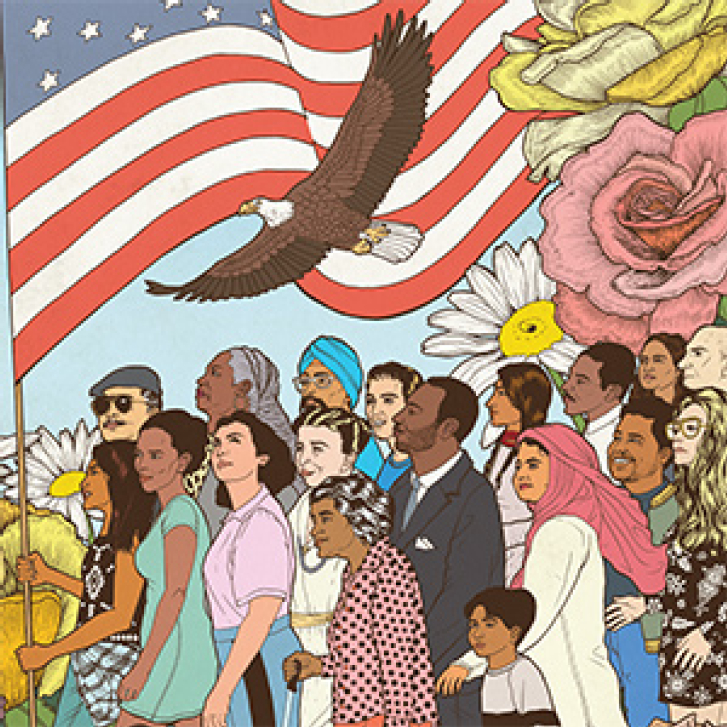
Organizers renew democracy by building the capacity it requires. Part of the Winter 2020 issue's Realizing Democracy supplement funded by the Ford Foundation.

Powerful organization, rather than efficient mobilization, is the way to re-center people in our political life. Part of the Winter 2020 issue's Realizing Democracy supplement funded by the Ford Foundation.
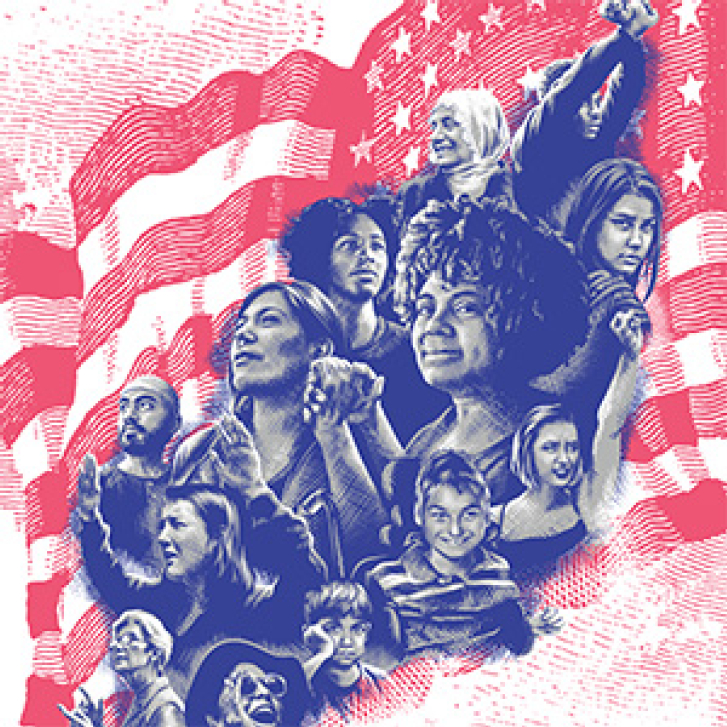
Recent research documents only a weak electoral connection between state legislators and their voters. It's time to break the cycle and restore political power to ordinary citizens over entrenched minorities. Part of the Winter 2020 issue's Realizing Democracy supplement funded by the Ford Foundation.
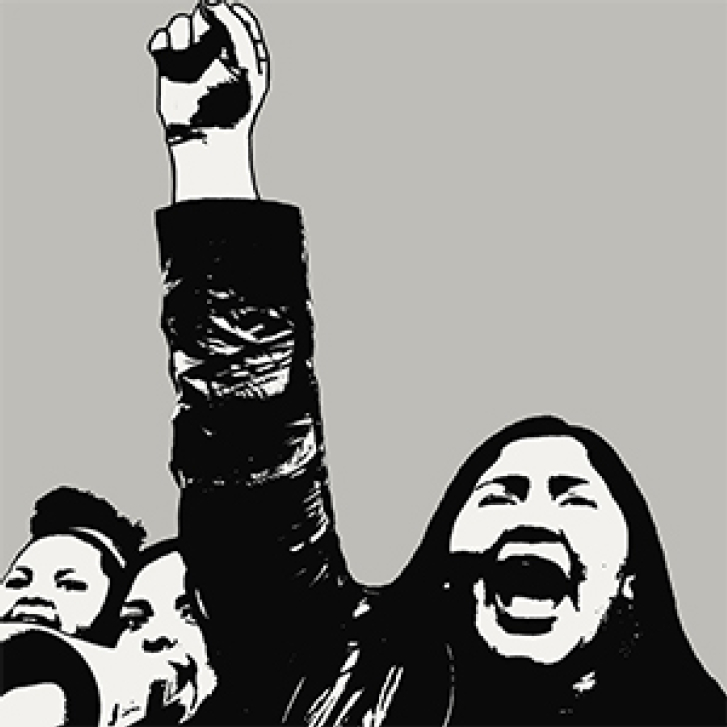
Good strikes force the very consensus building that America needs, and the sooner we reprioritize unions, the sooner we can reclaim democracy. Part of the Winter 2020 issue's Realizing Democracy supplement funded by the Ford Foundation.
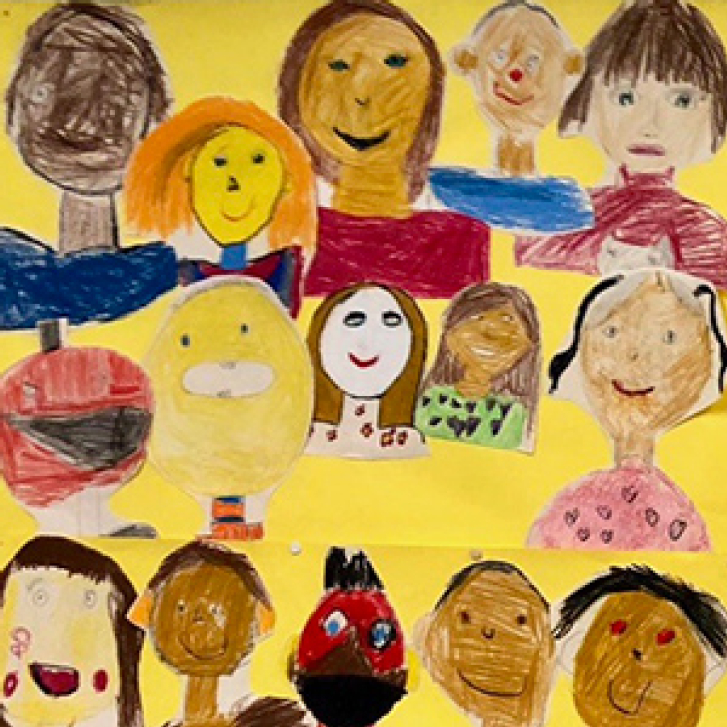
Four strategies for creating a positive school culture that focuses on the whole student and fosters long-term, holistic well-being.


Laws and programs designed to benefit vulnerable groups, such as the disabled or people of color, often end up benefiting all of society.

It’s time for activists and organizations to adopt a more strategic approach to public interest communications.

To do as much good as possible with limited resources, funders should look to woefully underfunded protest movements.
In adopting data-driven practices, leaders must design and implement programs in ways that engage community members directly in the work of social change.

A look at how Switzerland radically and successfully changed its approach to drug policy following a heroin epidemic in the late 1980s and 90s, and what the effort teaches us about the social innovation process.