Four Social-Change Results That Innovation Labs Deliver
Social innovation labs are gaining ground and finding effective solutions to global challenges quickly and inclusively.

Social innovation labs are gaining ground and finding effective solutions to global challenges quickly and inclusively.

Four ways funder-grantee networks can work together better and increase their impact.
Moving beyond platitude and exploring how to operationalize collaboration.
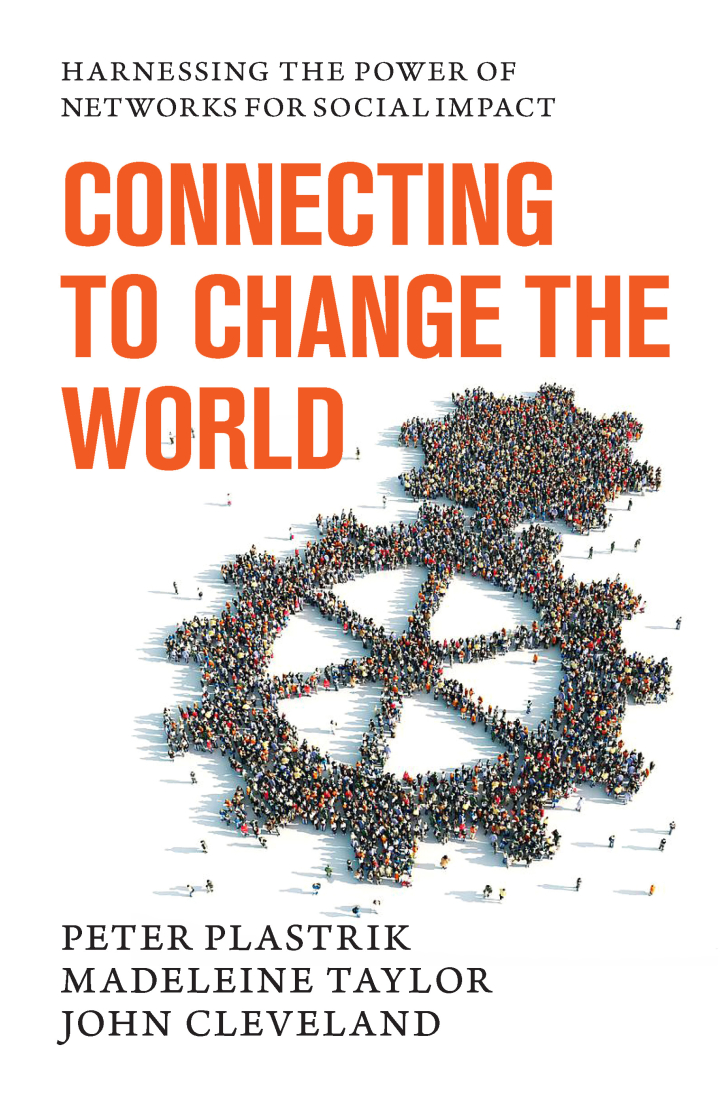
Connecting to Change the World explores common network design issues in-depth and provides advice on how to handle them.

The benefits and pitfalls of partnerships between nonprofits and business—and how to do it right.


Large-scale social change requires broad cross-sector coordination, not the isolated intervention of individual organizations.

Professionalism has become coded language for white favoritism in workplace practices that more often than not leave behind people of color. This is the fourth of 10 articles in a special series about diversity, equity, and inclusion.

Conventional wisdom says that scaling social innovation starts with strengthening internal management capabilities. This study of 12 high-impact nonprofits, however, shows that real social change happens when organizations go outside their own walls and find creative ways to enlist the help of others.

Business leaders play vital roles in the nonprofit sector – as board members, donors, partners, and even executives. Yet all too often they underestimate the unique challenges of managing nonprofit organizations.

The deep changes necessary to accelerate progress against society's most intractable problems require someone who catalyzes collective leadership.