


Addressing the Climate and Care Crises
In the fight against climate change, we must ensure that solutions do not unduly burden women and girls.

In the fight against climate change, we must ensure that solutions do not unduly burden women and girls.

Cash transfers to low-income, first-time parents can make an enormous difference to the long-term well-being of their children.

An excerpt from There’s Nothing Micro about a Billion Women on how financial service providers can reduce inequality and build a more inclusive world by better serving women customers.
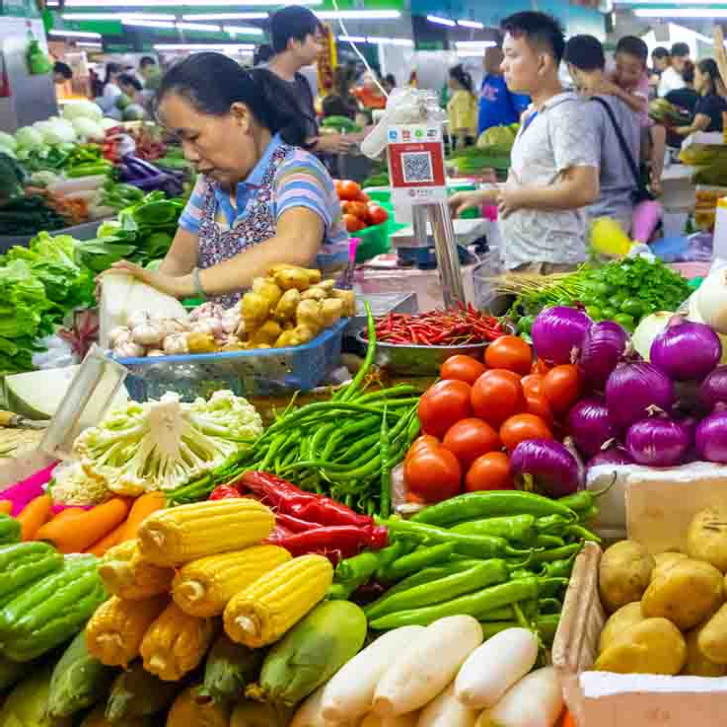
Food consumption is deeply shaped by the cultural and socio-economic conditions in which it is embedded. How can civil society put food system transformation on the agenda in developing countries that only recently eliminated or are still fighting widespread hunger?

Bringing high-tech operations into the geographical heart of excluded communities jump-starts mass participation, galvanizing economic advancement for their members while challenging accepted norms of diversity, equity, and inclusion.


Fair Trade-certified coffee is growing in sales, but strict certification requirements are resulting in uneven economic advantages for coffee growers and lower quality coffee for consumers.

Six pathways to making housing more affordable and available from the Ivory Prize for Housing Affordability.
Why Kiva chose to be a 501(c)(3), what this tax status buys the organization, and how being a nonprofit poses challenges.

A new approach to measuring poverty is needed, one that accounts for multiple factors such as housing, and regional economic differences.

To cure the social sector’s metric monomania, we must get comfortable with complexity.