


Cultivating a Just Climate Philanthropy
How climate funding and policy exclude those who experience the worst effects of climate change, and how investing in smallholder farmers can help right the ship.
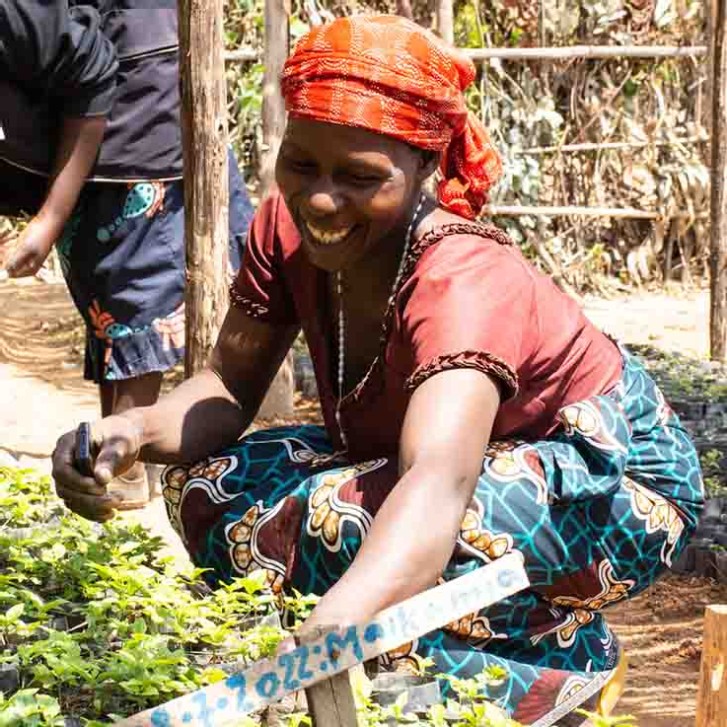
How climate funding and policy exclude those who experience the worst effects of climate change, and how investing in smallholder farmers can help right the ship.
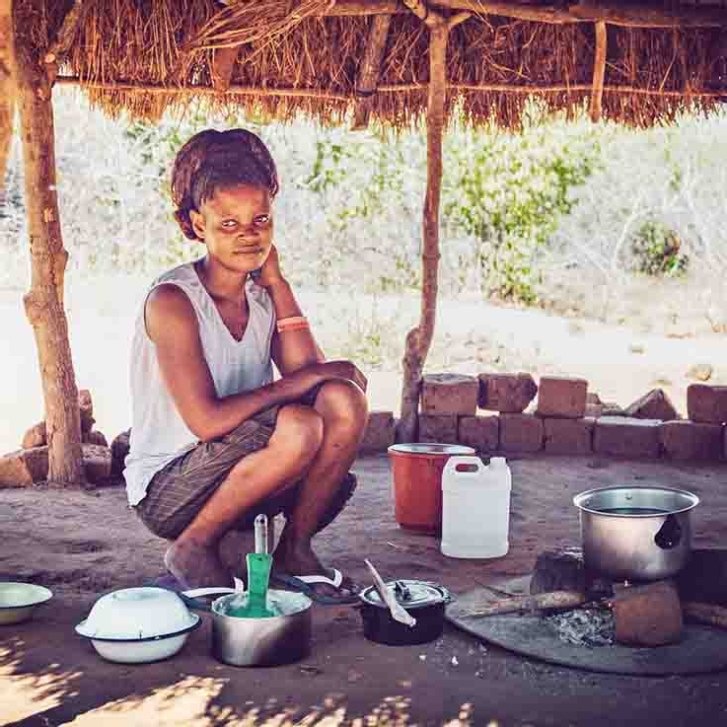
Why we need to move business from the margins to the mainstream on climate justice, and how to get there.

Spending money on research, or improving the research process, is one of the most powerful force multipliers that philanthropy can leverage.

A founder and director finds there is no better way to demonstrate confidence in people, systems, and organizations than to physically leave for a year at a time, every five years.

Companies and nonprofits need to be more realistic and empathetic that consumers’ decisions are not purely driven by cost.


Fair Trade-certified coffee is growing in sales, but strict certification requirements are resulting in uneven economic advantages for coffee growers and lower quality coffee for consumers.

Six pathways to making housing more affordable and available from the Ivory Prize for Housing Affordability.
Why Kiva chose to be a 501(c)(3), what this tax status buys the organization, and how being a nonprofit poses challenges.

A new approach to measuring poverty is needed, one that accounts for multiple factors such as housing, and regional economic differences.

To cure the social sector’s metric monomania, we must get comfortable with complexity.