Five Ways Business Schools Can Cultivate Better Leaders
How to change the curriculum, pedagogy, and culture of elite US business schools to foster leaders who are better equipped to serve the public good.

How to change the curriculum, pedagogy, and culture of elite US business schools to foster leaders who are better equipped to serve the public good.

Why the science, technology, engineering, and mathematics (STEM) field in the United States struggles to recruit and retain women—especially women of color—and three strategies to support their professional development and leadership in these fields.

An excerpt from The New Reason to Work on intentional and authentic networking, which means adding value to others as much as seeking help from them.
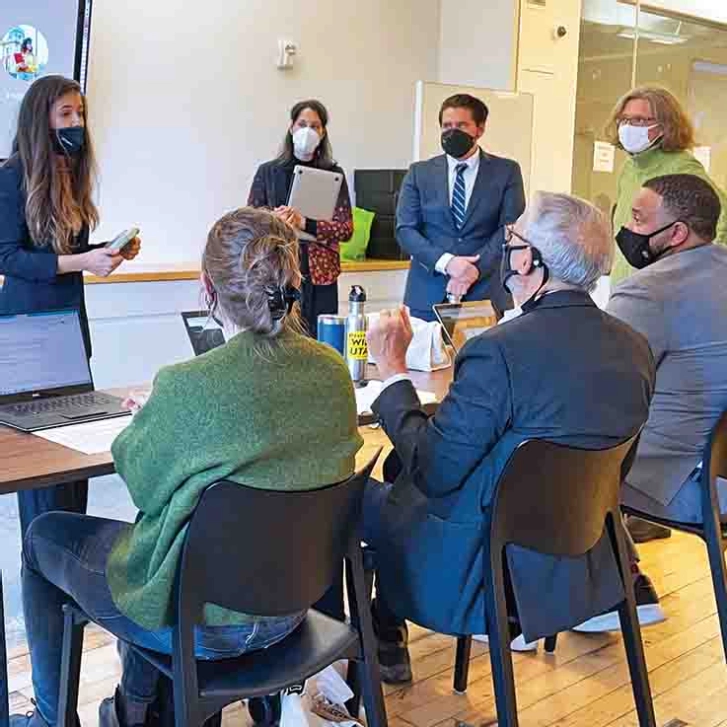
RebelBase, a project-building software company, offers entrepreneurial methods to a worldwide community of aspiring founders.

The Fund for Black Journalism supports local reporting on Black communities throughout the United States.


Large-scale social change requires broad cross-sector coordination, not the isolated intervention of individual organizations.

American educators, policymakers, and philanthropists are overselling the role of the highly skilled individual teacher and undervaluing the benefits that come from teacher collaborations.
Both human-centered and systems-thinking methods fit within an effective design approach, and can work in conjunction to address social challenges.
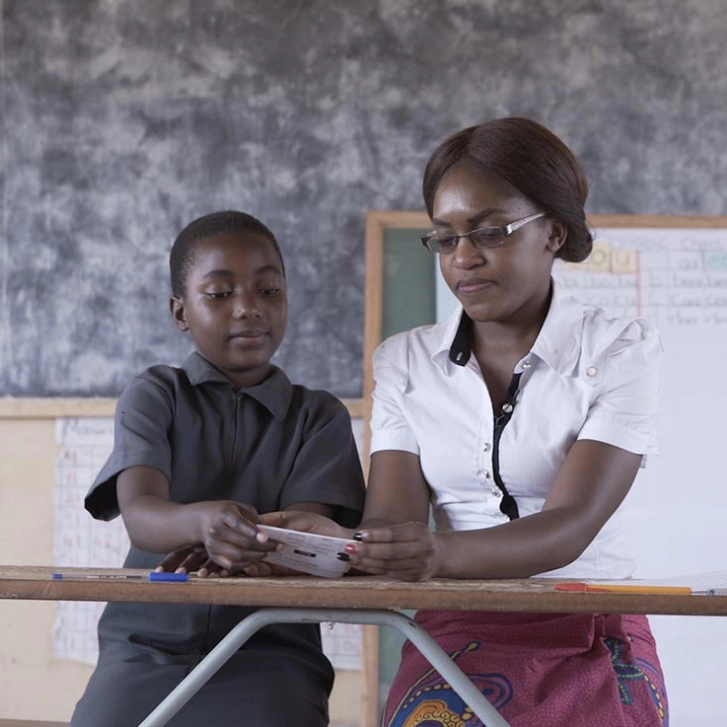
Research from the Abdul Latif Jameel Poverty Action Lab (J-PAL) and its partners shows how to help children learn amid erratic access to schools during a pandemic, and how those solutions may make progress toward the Sustainable Development Goal of ensuring a quality education for all by 2030.

How standardized testing, gentrification, school choice, and economic downturn have widened inequality to create an existential threat to democracy.