Creating Tech Prosperity for All
People from disadvantaged communities have largely been cut off from the tech cornucopia. It doesn’t have to be this way.

People from disadvantaged communities have largely been cut off from the tech cornucopia. It doesn’t have to be this way.
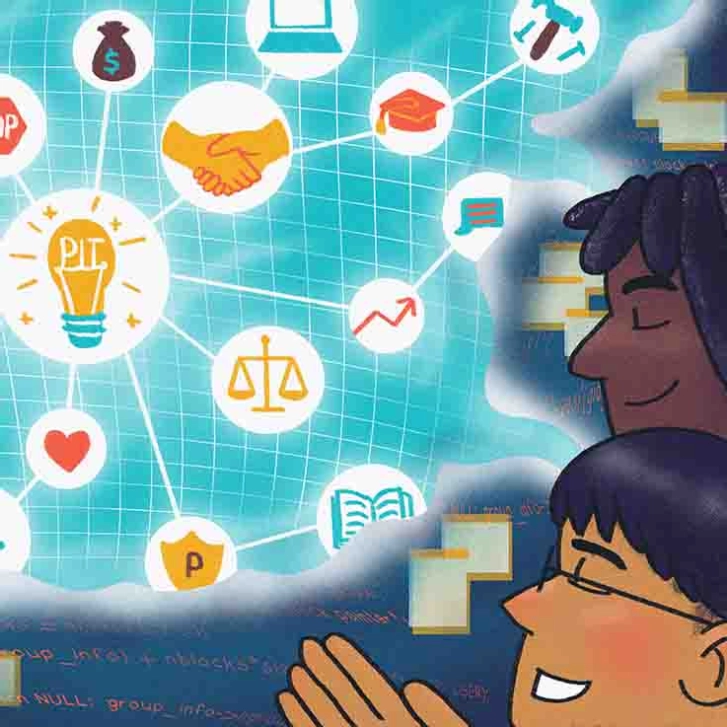
Developing technology in the public interest starts with inviting the knowledge and experiences of marginalized communities into the public discourse.

Mergers among nonprofits don’t have to be distress-oriented deals of survival. Rather, M&A can offer some compelling opportunities that are unique to nonprofits.

Invisible Hate is a digital platform that informs the public about the racist history of America’s Confederate monuments so that they can take action.

Researchers find that relationship-building exercises between troubled students and their teachers cut recidivism.


Large-scale social change requires broad cross-sector coordination, not the isolated intervention of individual organizations.

American educators, policymakers, and philanthropists are overselling the role of the highly skilled individual teacher and undervaluing the benefits that come from teacher collaborations.
Both human-centered and systems-thinking methods fit within an effective design approach, and can work in conjunction to address social challenges.

Research from the Abdul Latif Jameel Poverty Action Lab (J-PAL) and its partners shows how to help children learn amid erratic access to schools during a pandemic, and how those solutions may make progress toward the Sustainable Development Goal of ensuring a quality education for all by 2030.

How standardized testing, gentrification, school choice, and economic downturn have widened inequality to create an existential threat to democracy.