Impact Investing for Educational Progress
Investing in innovative entrepreneurs can make high-quality education and training more widely available, especially among poorly served racial and ethnic groups.
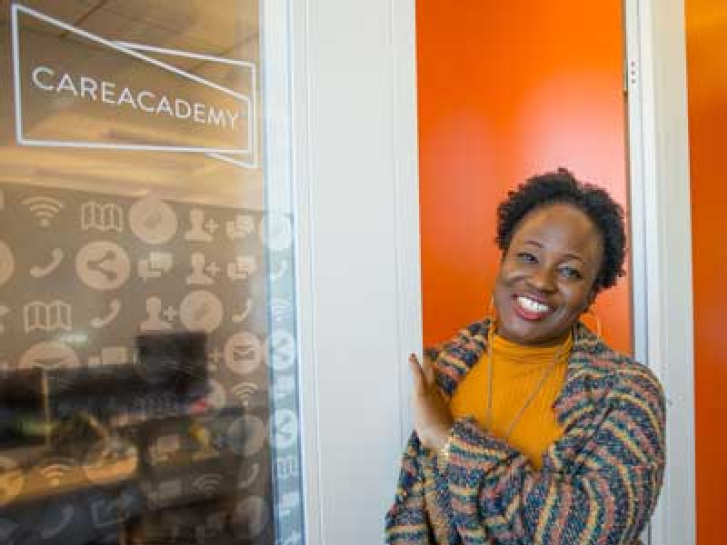
Investing in innovative entrepreneurs can make high-quality education and training more widely available, especially among poorly served racial and ethnic groups.
An International Women’s Day reading list featuring gender-focused articles on entrepreneurial spirit, resource accessibility, mental health, sexual misconduct prevention, and more.

A look at what it takes to successfully deploy machine learning tools for social good and the most exciting opportunities ahead.

Programs like Teach for America can help participants take on the perspectives of those they seek to help.

SEASIN aims to develop a network of universities that will help support its goals of achieving sustainable and inclusive growth, social cohesion, and equity in Southeast Asia.


Large-scale social change requires broad cross-sector coordination, not the isolated intervention of individual organizations.

American educators, policymakers, and philanthropists are overselling the role of the highly skilled individual teacher and undervaluing the benefits that come from teacher collaborations.
Both human-centered and systems-thinking methods fit within an effective design approach, and can work in conjunction to address social challenges.
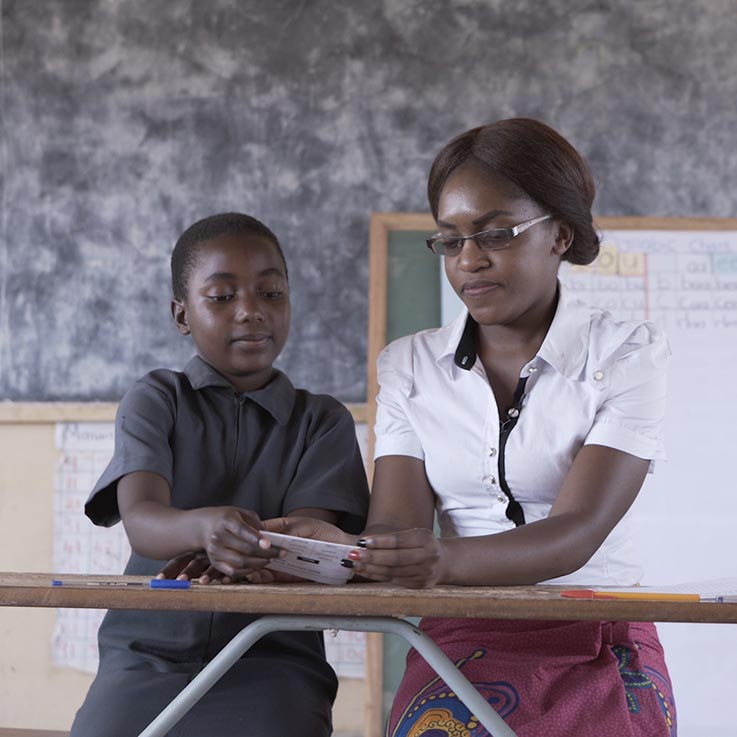
Research from the Abdul Latif Jameel Poverty Action Lab (J-PAL) and its partners shows how to help children learn amid erratic access to schools during a pandemic, and how those solutions may make progress toward the Sustainable Development Goal of ensuring a quality education for all by 2030.

How standardized testing, gentrification, school choice, and economic downturn have widened inequality to create an existential threat to democracy.