Redesigning Management Education for the Long Term
Radical change is possible by adding six simple questions to MBA education.
Radical change is possible by adding six simple questions to MBA education.
Exposing the problems of policy schools can ignite new ways to realize the mission of educating public servants in the 21st century.
As technology morphs businesses, markets, and economies, we must reimagine how we educate future managers—the UN’s Sustainable Development Goals provide a North Star.
An excerpt of Twenty Years of Life: Why the Poor Die Earlier and How the Challenge Inequity
Business’s capacity to transform society is only as great as the schools that train its future leaders. This demands that business schools reform their vision to promote values of business serving society in order for students to see business as a true calling rather than simply a career. Here is a blueprint for management education in the 21st century.


Large-scale social change requires broad cross-sector coordination, not the isolated intervention of individual organizations.

American educators, policymakers, and philanthropists are overselling the role of the highly skilled individual teacher and undervaluing the benefits that come from teacher collaborations.
Both human-centered and systems-thinking methods fit within an effective design approach, and can work in conjunction to address social challenges.
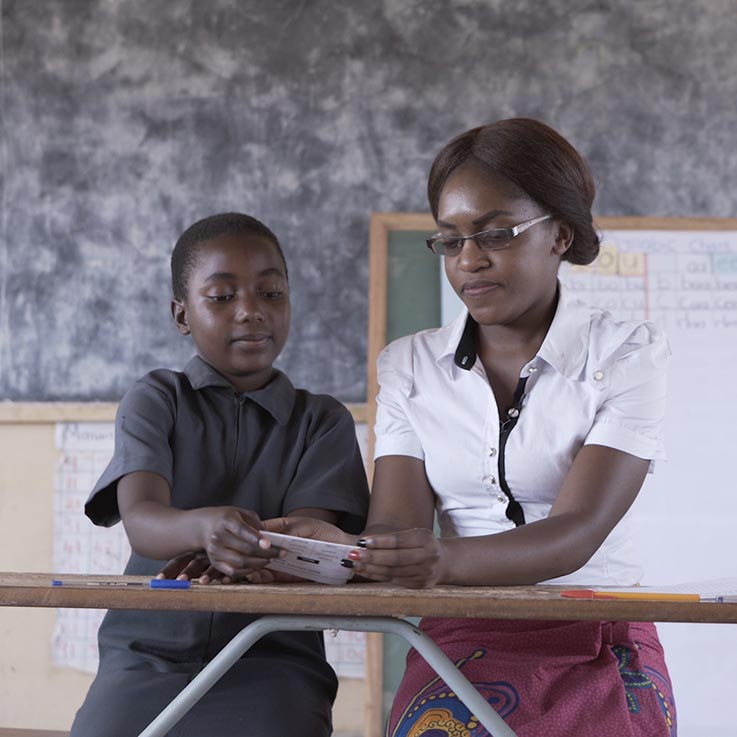
Research from the Abdul Latif Jameel Poverty Action Lab (J-PAL) and its partners shows how to help children learn amid erratic access to schools during a pandemic, and how those solutions may make progress toward the Sustainable Development Goal of ensuring a quality education for all by 2030.

How standardized testing, gentrification, school choice, and economic downturn have widened inequality to create an existential threat to democracy.