Want a Better, Safer World? Build a Finance Facility for Education
History proves that big financing ideas can triumph over seemingly insurmountable global challenges.

History proves that big financing ideas can triumph over seemingly insurmountable global challenges.
To achieve the Sustainable Development Goals related to inclusive education and gender equality, we need to examine how girls’ education has changed since 2015.

The Wooden Floor is licensing its successful model of using arts education to break the cycle of poverty.

Vi-Ability uses football to get disengaged British youth interested in acquiring the skills and experience necessary to succeed.

An in-depth look at an environmental education collaborative during the early stages of its collective impact process.


Large-scale social change requires broad cross-sector coordination, not the isolated intervention of individual organizations.

American educators, policymakers, and philanthropists are overselling the role of the highly skilled individual teacher and undervaluing the benefits that come from teacher collaborations.
Both human-centered and systems-thinking methods fit within an effective design approach, and can work in conjunction to address social challenges.
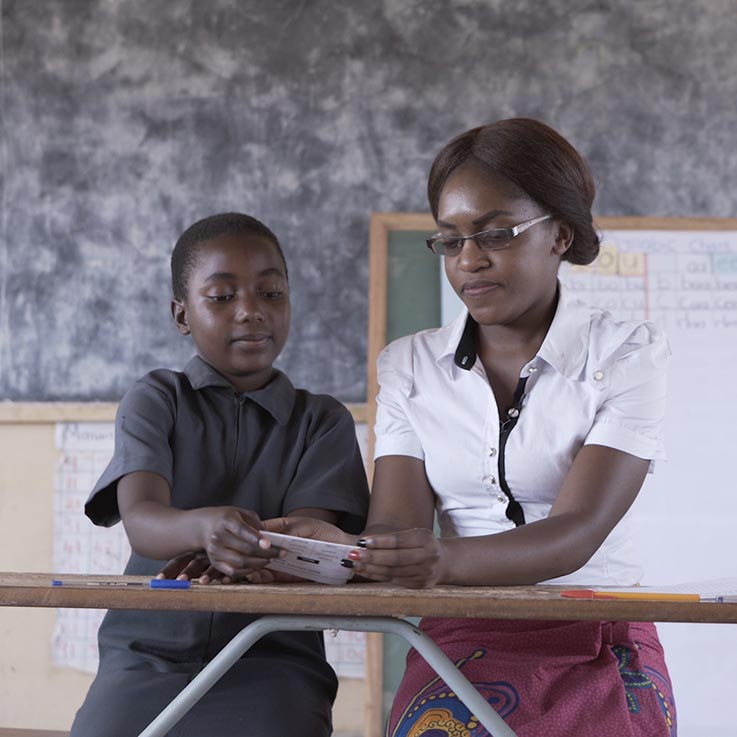
Research from the Abdul Latif Jameel Poverty Action Lab (J-PAL) and its partners shows how to help children learn amid erratic access to schools during a pandemic, and how those solutions may make progress toward the Sustainable Development Goal of ensuring a quality education for all by 2030.

How standardized testing, gentrification, school choice, and economic downturn have widened inequality to create an existential threat to democracy.