Photo Essay: The Many Faces of Learning
India has the most youth of any country, and one of the most diverse, making education one of its biggest challenges.
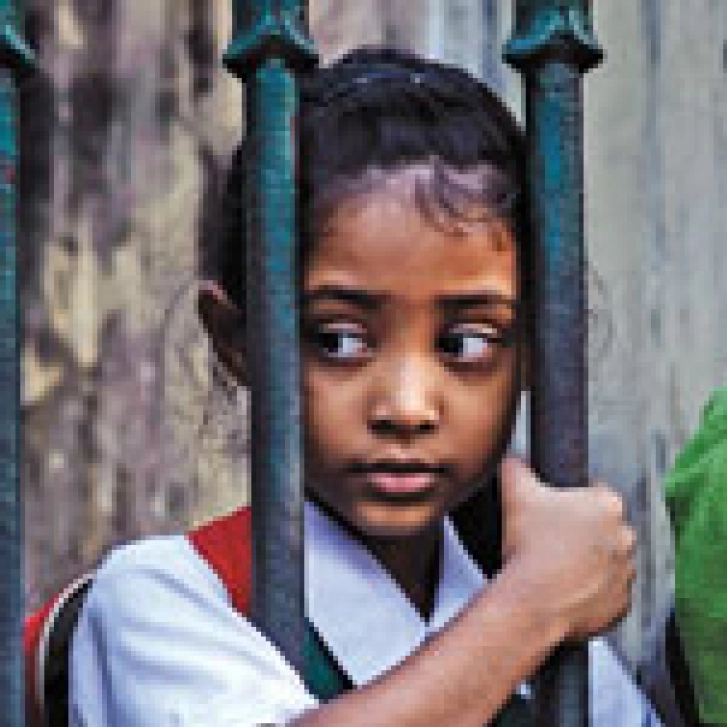
India has the most youth of any country, and one of the most diverse, making education one of its biggest challenges.

There is no rigid recipe for scaling quality learning, but successful efforts require attention to design and delivery, stable access to finance, and an enabling policy environment.

Student debt is hurting recruitment, retention, and diversity in the nonprofit workforce, but a Federal program is poised to help.
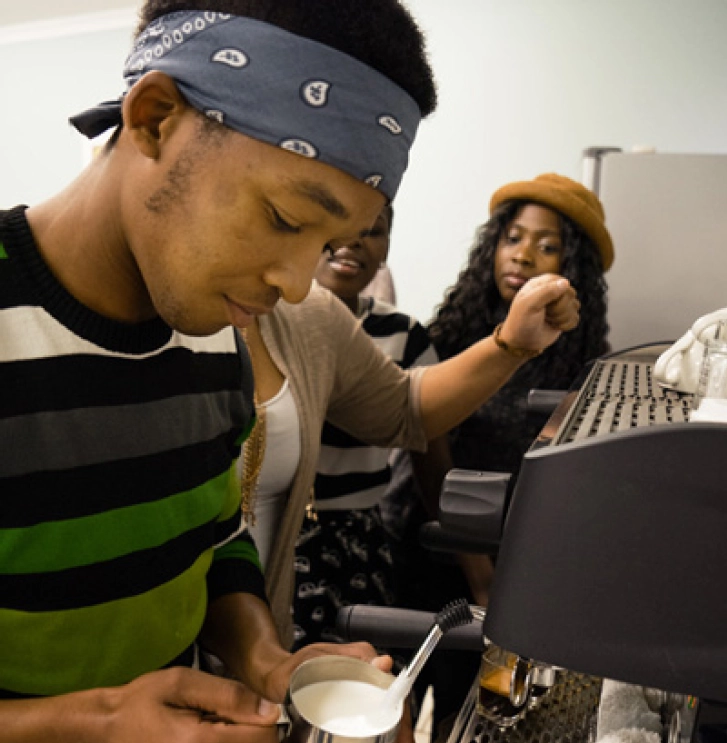
Instead of prescribing higher education as the silver-bullet solution to poverty, we must provide diverse and contextualized pathways to disadvantaged children, enabling them to redefine the dominant narrative of success.

To make education systems more adaptive, innovative, collaborative, and empathic, we as change leaders must first model these characteristics ourselves.

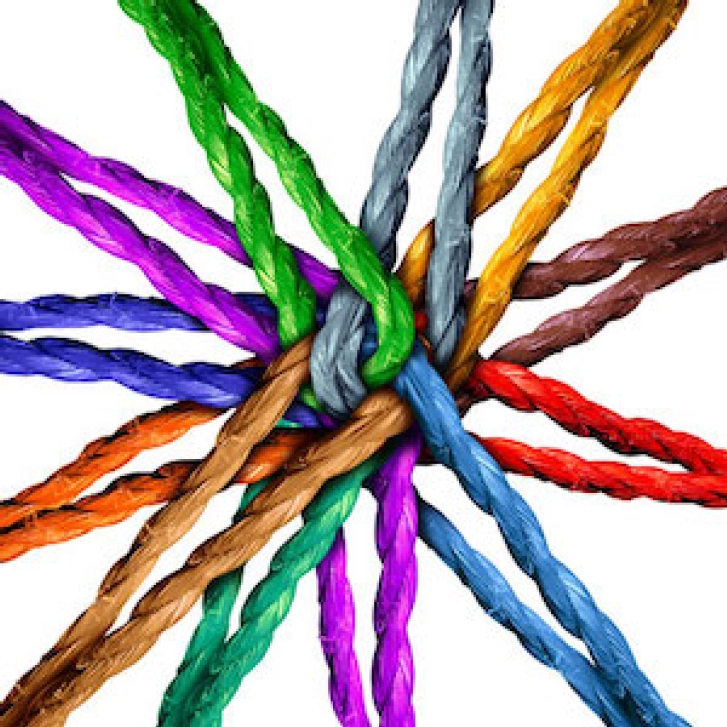
Large-scale social change requires broad cross-sector coordination, not the isolated intervention of individual organizations.

American educators, policymakers, and philanthropists are overselling the role of the highly skilled individual teacher and undervaluing the benefits that come from teacher collaborations.
Both human-centered and systems-thinking methods fit within an effective design approach, and can work in conjunction to address social challenges.
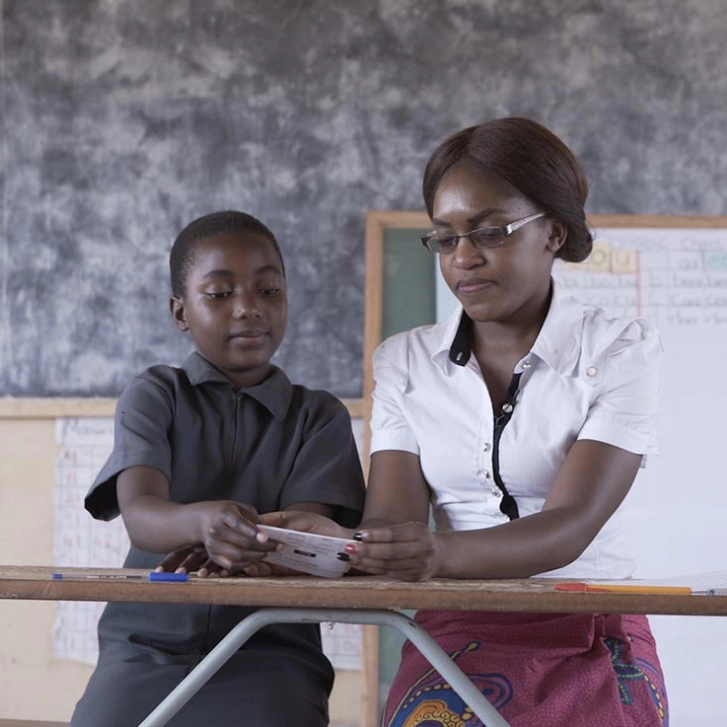
Research from the Abdul Latif Jameel Poverty Action Lab (J-PAL) and its partners shows how to help children learn amid erratic access to schools during a pandemic, and how those solutions may make progress toward the Sustainable Development Goal of ensuring a quality education for all by 2030.
How standardized testing, gentrification, school choice, and economic downturn have widened inequality to create an existential threat to democracy.