sponsored
Choosing the Right Partners for School Food Reform
“Work with the willing” is an important lesson that I learned the hard way.

“Work with the willing” is an important lesson that I learned the hard way.
Low-income communities have the power to shape their economic future, but only if they have access to tools that educate and empower.

To solve the global learning crisis, teachers and education systems need to find a new mutual accountability.
Models that tie pedagogy to business have the potential to provide revenue to help fund education and practical business exposure for students.

Early approaches are advancing fruitful dialogue around how to accelerate the revolutionary potential of online education and enable better outcomes for graduates.


Large-scale social change requires broad cross-sector coordination, not the isolated intervention of individual organizations.

American educators, policymakers, and philanthropists are overselling the role of the highly skilled individual teacher and undervaluing the benefits that come from teacher collaborations.
Both human-centered and systems-thinking methods fit within an effective design approach, and can work in conjunction to address social challenges.
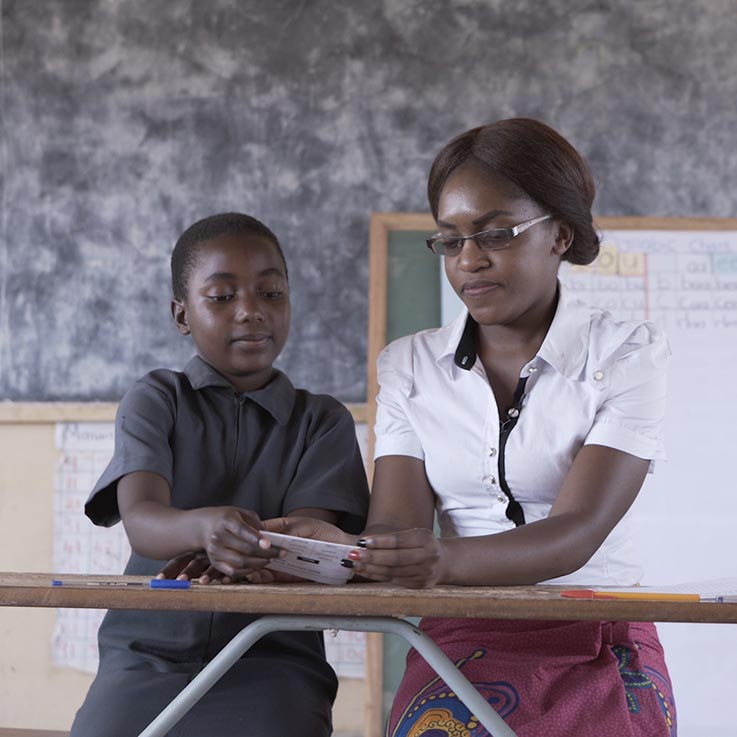
Research from the Abdul Latif Jameel Poverty Action Lab (J-PAL) and its partners shows how to help children learn amid erratic access to schools during a pandemic, and how those solutions may make progress toward the Sustainable Development Goal of ensuring a quality education for all by 2030.

How standardized testing, gentrification, school choice, and economic downturn have widened inequality to create an existential threat to democracy.