More Than a Meal
Technical ingenuity and private funding enable Akshaya Patra to serve hot, healthy lunches to 1.4 million Indian children every day.
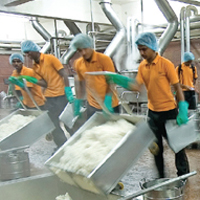
Technical ingenuity and private funding enable Akshaya Patra to serve hot, healthy lunches to 1.4 million Indian children every day.

A school-based collective impact project in West Dallas, Texas, is yielding lessons on how to compile and use big data.
A look at how one organization is using emergent philanthropy on a local level to improve early childhood education.
Four ways information technology is reducing costs and improving learning outcomes in Kenya that all educators can learn from.

In Boston, a new program will give low-income college students an alternative to toiling as unpaid interns.


Large-scale social change requires broad cross-sector coordination, not the isolated intervention of individual organizations.

American educators, policymakers, and philanthropists are overselling the role of the highly skilled individual teacher and undervaluing the benefits that come from teacher collaborations.
Both human-centered and systems-thinking methods fit within an effective design approach, and can work in conjunction to address social challenges.
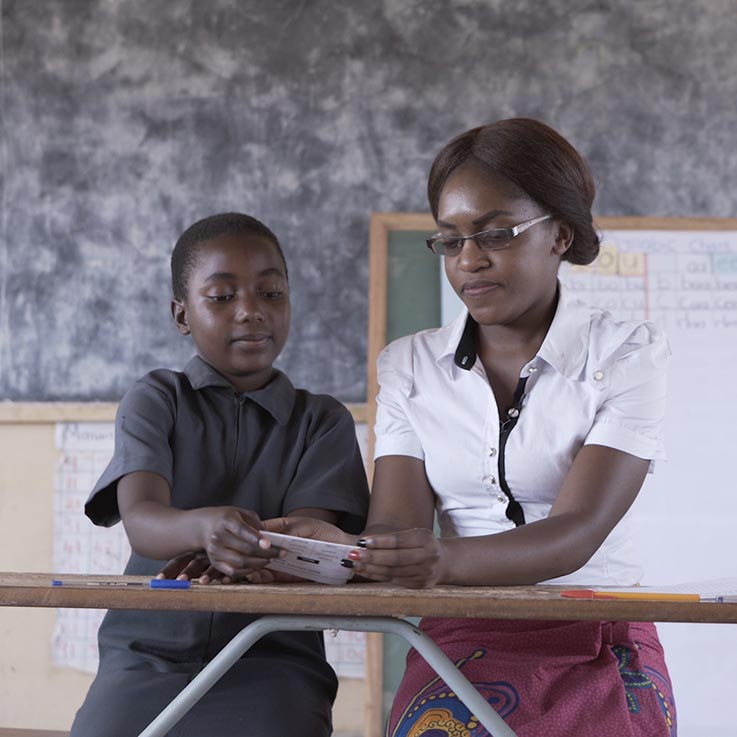
Research from the Abdul Latif Jameel Poverty Action Lab (J-PAL) and its partners shows how to help children learn amid erratic access to schools during a pandemic, and how those solutions may make progress toward the Sustainable Development Goal of ensuring a quality education for all by 2030.

How standardized testing, gentrification, school choice, and economic downturn have widened inequality to create an existential threat to democracy.