A National Growth Plan Rooted in One State’s Success
Why one successful youth program resisted the urge to expand too quickly.
Why one successful youth program resisted the urge to expand too quickly.

A program developed in India to provide marketplace literacy aims for impact in Illinois

If children worldwide are to receive the education they deserve, debate needs to move beyond public versus private, profit versus nonprofit.
A new report on California highlights how human well-being is a more relevant gauge of progress than economic metrics.

Single Stop USA provides low-income Americans with a convenient gateway to a wider range of services and benefits.


Large-scale social change requires broad cross-sector coordination, not the isolated intervention of individual organizations.
American educators, policymakers, and philanthropists are overselling the role of the highly skilled individual teacher and undervaluing the benefits that come from teacher collaborations.
Both human-centered and systems-thinking methods fit within an effective design approach, and can work in conjunction to address social challenges.
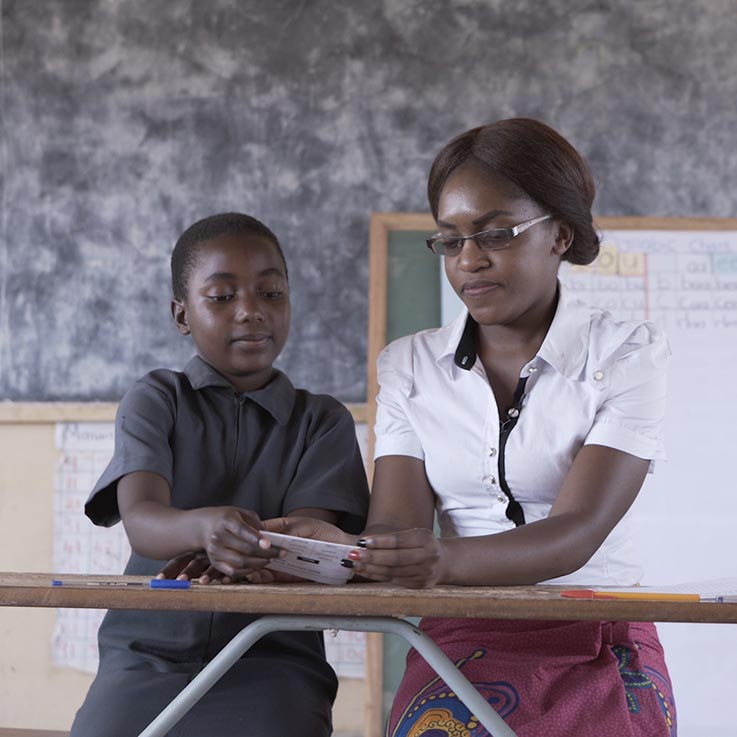
Research from the Abdul Latif Jameel Poverty Action Lab (J-PAL) and its partners shows how to help children learn amid erratic access to schools during a pandemic, and how those solutions may make progress toward the Sustainable Development Goal of ensuring a quality education for all by 2030.

How standardized testing, gentrification, school choice, and economic downturn have widened inequality to create an existential threat to democracy.