Lifetime Inequality
The variation in lifetime earnings and wealth is largely determined by skills acquired by age 23.
The variation in lifetime earnings and wealth is largely determined by skills acquired by age 23.

In Kenya, civic education programs reached 4.5 million people in advance of the 2002 election.
Local government strategic planning is needed to move cities forward at the necessary rate of reform.
By understanding what beneficiaries think works and doesn’t work, foundations and nonprofits can provide better programs.
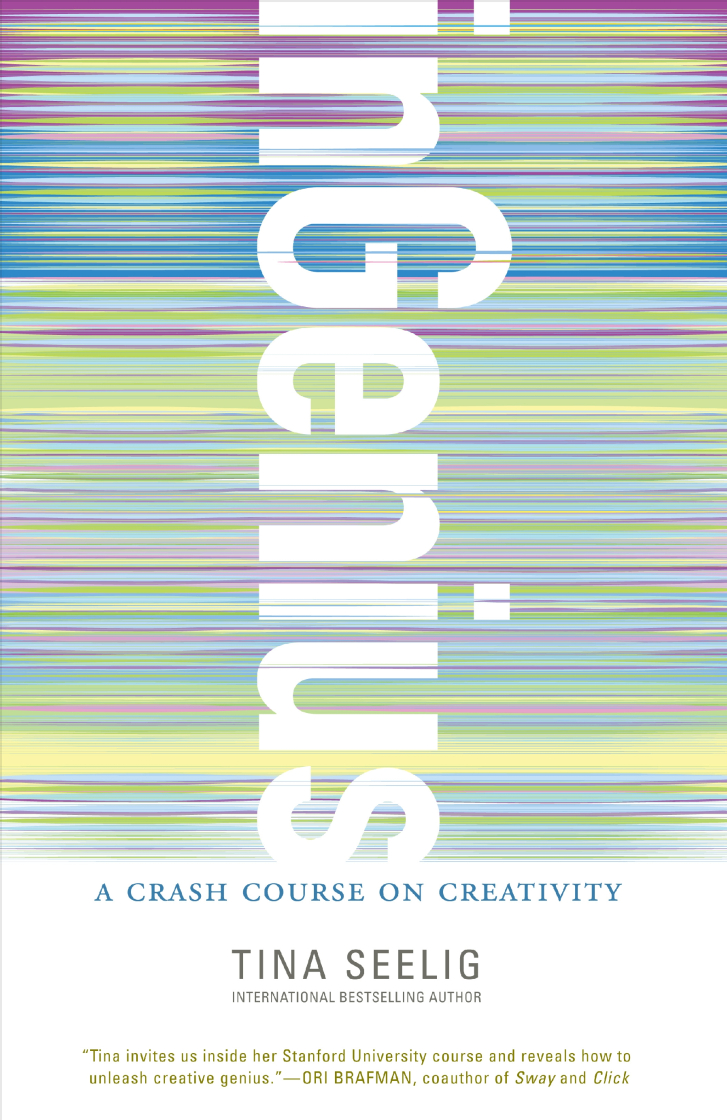
inGenius argues that we don’t look at everything in our environment as an opportunity for ingenuity—but that we should.


Large-scale social change requires broad cross-sector coordination, not the isolated intervention of individual organizations.

American educators, policymakers, and philanthropists are overselling the role of the highly skilled individual teacher and undervaluing the benefits that come from teacher collaborations.
Both human-centered and systems-thinking methods fit within an effective design approach, and can work in conjunction to address social challenges.

Research from the Abdul Latif Jameel Poverty Action Lab (J-PAL) and its partners shows how to help children learn amid erratic access to schools during a pandemic, and how those solutions may make progress toward the Sustainable Development Goal of ensuring a quality education for all by 2030.

How standardized testing, gentrification, school choice, and economic downturn have widened inequality to create an existential threat to democracy.