

The Half-Truths That Have Sidetracked Girls’ Education
We are still falling short on girls’ education globally. It’s time for a new approach.

We are still falling short on girls’ education globally. It’s time for a new approach.

To meet the challenges of a new era, universities should redesign their core functions while also creating capacities to reach emerging and underserved markets. Open access to this article is made possible by BYU-Pathway Worldwide & ASU's Center for Organization Research and Design.
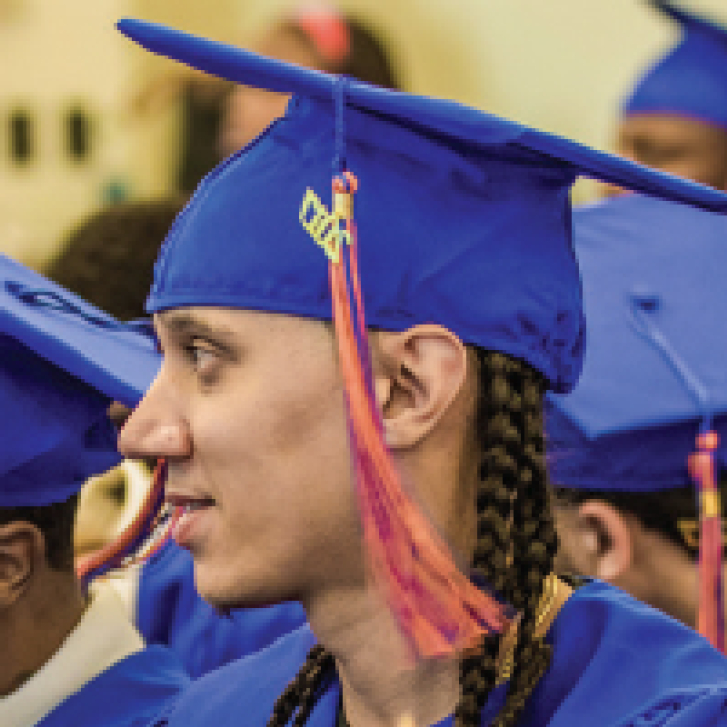
Boston Uncornered gives gang-involved individuals a stipend and social support to attend college.

How embracing uncertainty can help cultivate Canada’s social R&D ecosystem.

Libby Schaaf’s career—first as an attorney, then running a nonprofit, and now as mayor of Oakland—is the journey of a cross-sector leader.


Large-scale social change requires broad cross-sector coordination, not the isolated intervention of individual organizations.

American educators, policymakers, and philanthropists are overselling the role of the highly skilled individual teacher and undervaluing the benefits that come from teacher collaborations.
Both human-centered and systems-thinking methods fit within an effective design approach, and can work in conjunction to address social challenges.
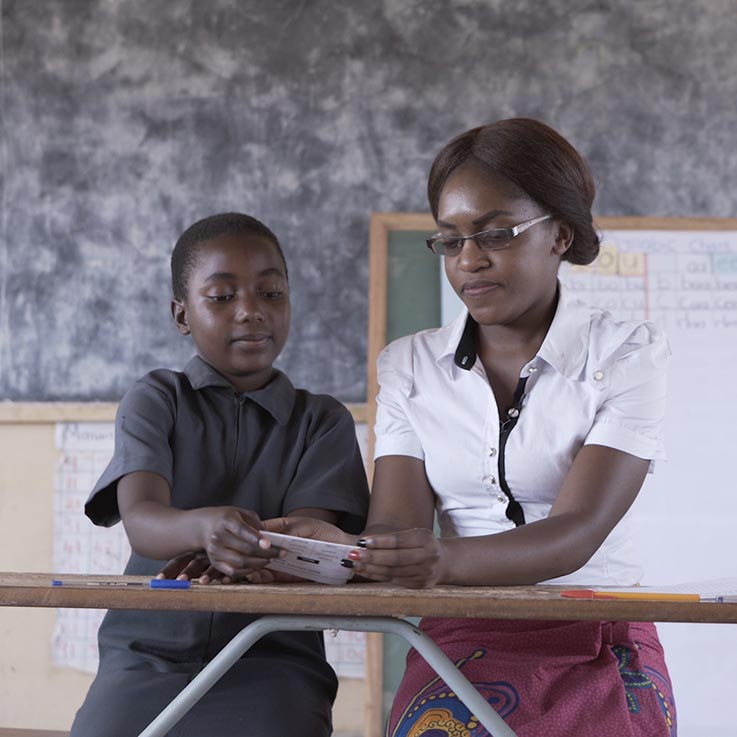
Research from the Abdul Latif Jameel Poverty Action Lab (J-PAL) and its partners shows how to help children learn amid erratic access to schools during a pandemic, and how those solutions may make progress toward the Sustainable Development Goal of ensuring a quality education for all by 2030.

How standardized testing, gentrification, school choice, and economic downturn have widened inequality to create an existential threat to democracy.