


Why Matchmaking in Youth Employment Programs in Middle East North Africa Aren’t Working
Insights from 10 years working on youth employment program matchmaking.
Insights from 10 years working on youth employment program matchmaking.
Providing teachers with gender sensitivity training is a first step toward addressing gender inequality in STEM. But it’s not the last.
It’s worth remembering that communities have the power to take away philanthropy’s social license to operate.
In the context of a changing climate, how can we ensure that schoolchildren who live in rural areas are consistently able to attend school?

Is it possible to use data to make predictions without enforcing existing biases?


Large-scale social change requires broad cross-sector coordination, not the isolated intervention of individual organizations.

American educators, policymakers, and philanthropists are overselling the role of the highly skilled individual teacher and undervaluing the benefits that come from teacher collaborations.
Both human-centered and systems-thinking methods fit within an effective design approach, and can work in conjunction to address social challenges.
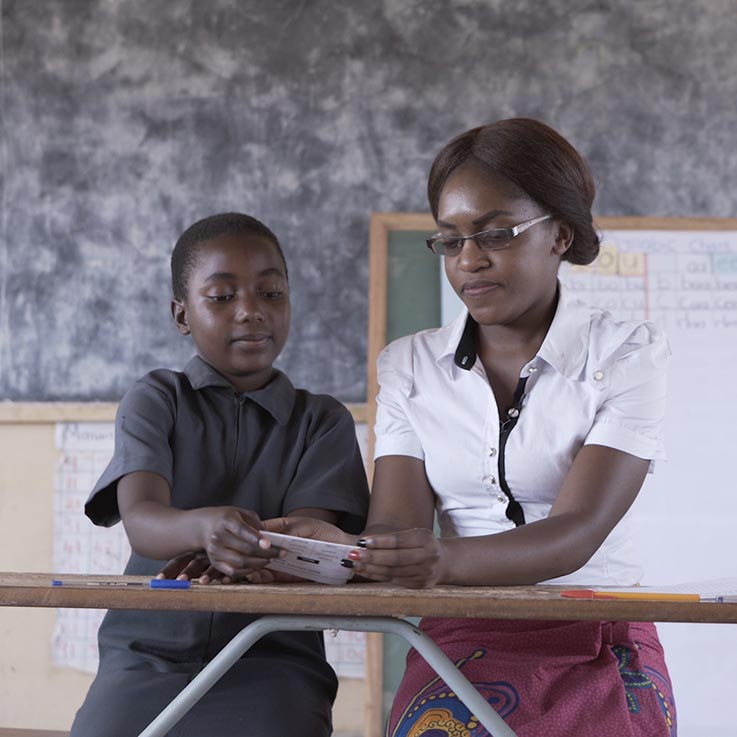
Research from the Abdul Latif Jameel Poverty Action Lab (J-PAL) and its partners shows how to help children learn amid erratic access to schools during a pandemic, and how those solutions may make progress toward the Sustainable Development Goal of ensuring a quality education for all by 2030.

How standardized testing, gentrification, school choice, and economic downturn have widened inequality to create an existential threat to democracy.