
Three Questions With Sean Reardon
Stanford education professor Reardon talks with SSIR's Michael Slind about the role of socio-economic inequality in educational achievement gaps.
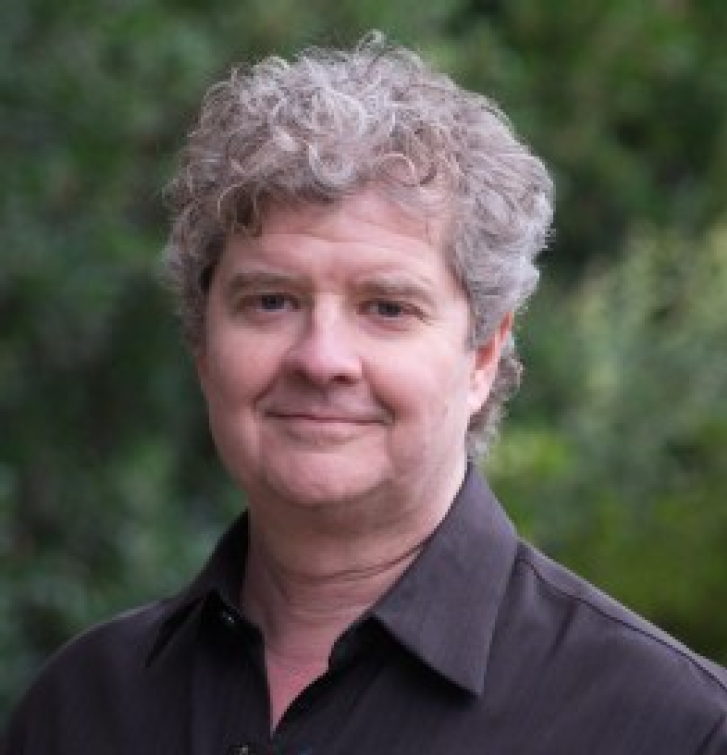
Stanford education professor Reardon talks with SSIR's Michael Slind about the role of socio-economic inequality in educational achievement gaps.
What is the right role for private funders in the US education system?
The 100Kin10 effort to increase the number of STEM teachers in America’s classrooms offers insights into an emerging model for social change.
In an era when low-income children are offered different learning opportunities than rich children, we must work to provide all kids the high-quality educational experience that the 21st century demands.
Cities can create outside-the-classroom learning opportunities for low-income children by encouraging communities to reimage everyday locations in their neighborhoods as places for playful learning.


Large-scale social change requires broad cross-sector coordination, not the isolated intervention of individual organizations.

American educators, policymakers, and philanthropists are overselling the role of the highly skilled individual teacher and undervaluing the benefits that come from teacher collaborations.
Both human-centered and systems-thinking methods fit within an effective design approach, and can work in conjunction to address social challenges.
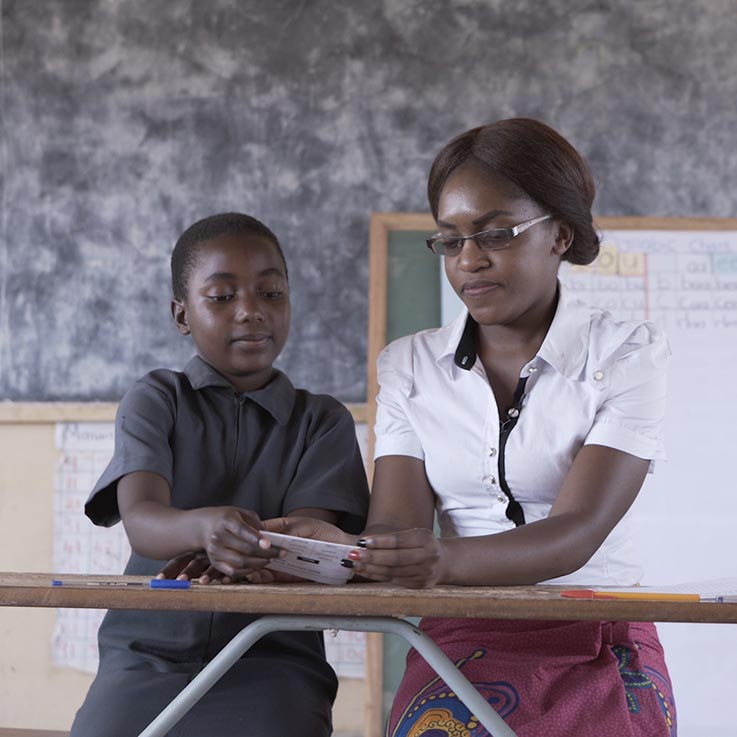
Research from the Abdul Latif Jameel Poverty Action Lab (J-PAL) and its partners shows how to help children learn amid erratic access to schools during a pandemic, and how those solutions may make progress toward the Sustainable Development Goal of ensuring a quality education for all by 2030.

How standardized testing, gentrification, school choice, and economic downturn have widened inequality to create an existential threat to democracy.