
After the One Child Policy
A pilot project in China aims to give the country’s family-planning agency a new mission: supporting early child development.

A pilot project in China aims to give the country’s family-planning agency a new mission: supporting early child development.
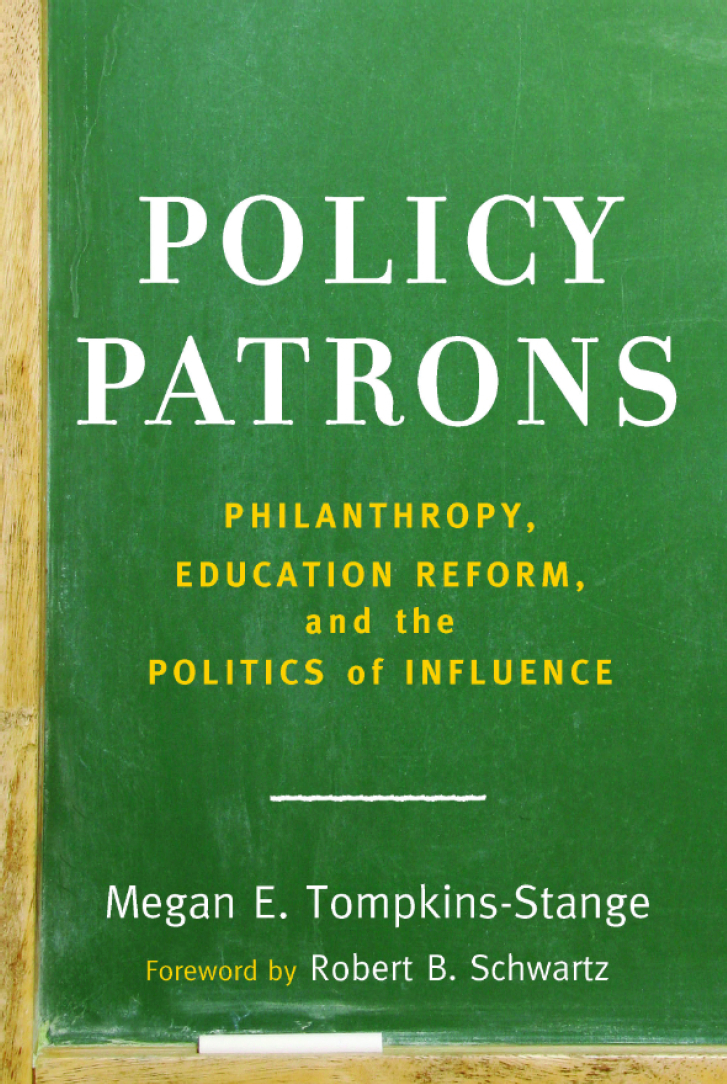
We should be more concerned about foundations’ outsized role in education policy.
By actively moving into the roles of advocate and partner for grantees, grantmakers can cultivate trusting, transparent relationships that ultimately translate into social impact.
It is time to connect our classrooms with the world.
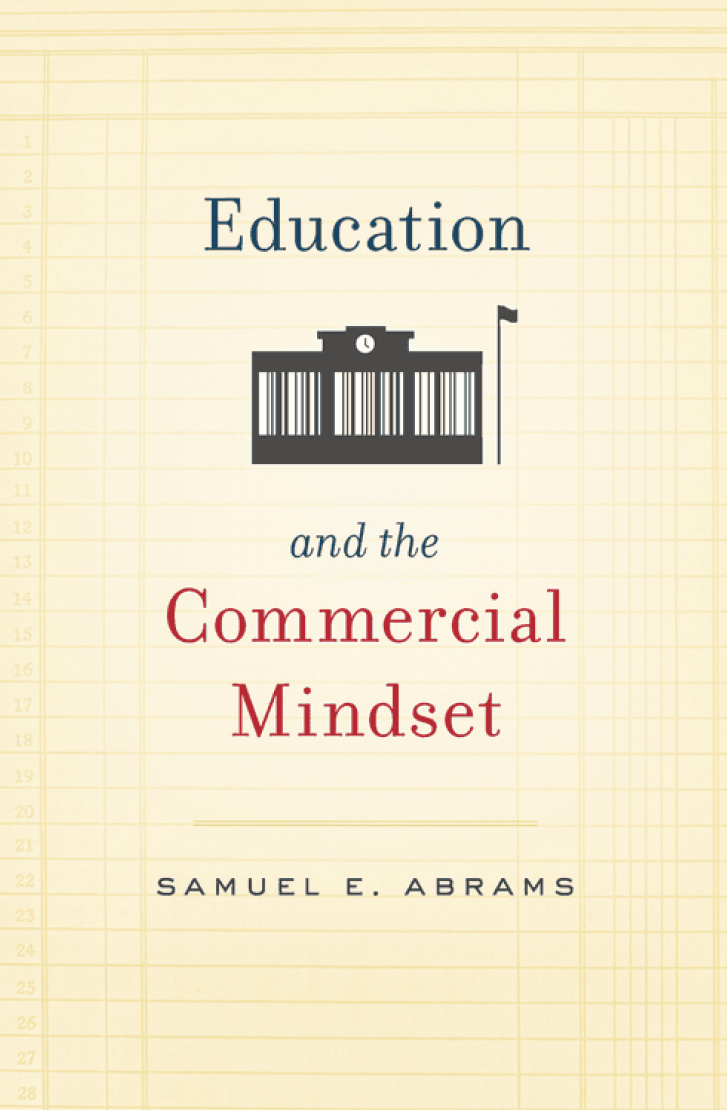
A chief reason for Finnish schools' much-touted success is that, ironically, they have done a better job implementing core business strategies than many explicitly market-based educational models.


Large-scale social change requires broad cross-sector coordination, not the isolated intervention of individual organizations.

American educators, policymakers, and philanthropists are overselling the role of the highly skilled individual teacher and undervaluing the benefits that come from teacher collaborations.
Both human-centered and systems-thinking methods fit within an effective design approach, and can work in conjunction to address social challenges.
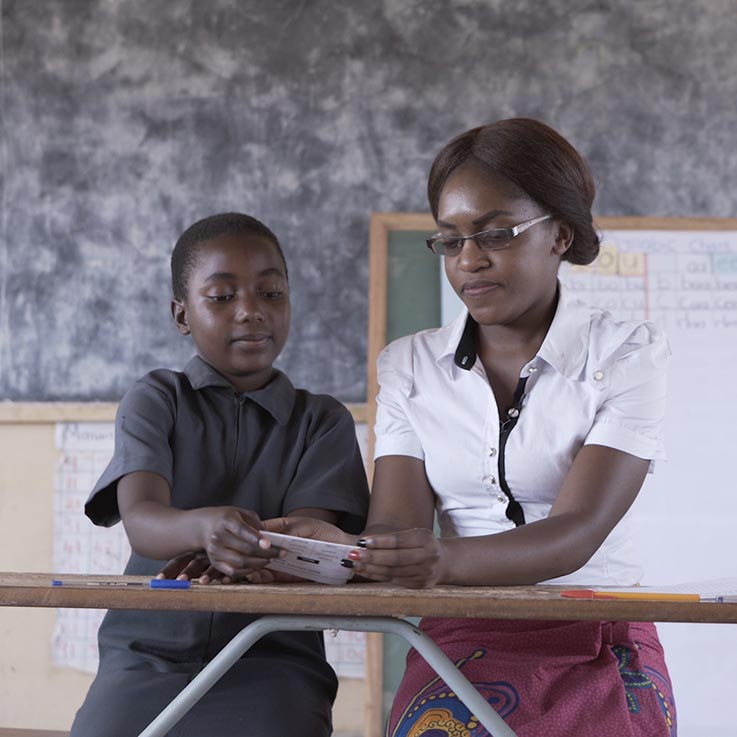
Research from the Abdul Latif Jameel Poverty Action Lab (J-PAL) and its partners shows how to help children learn amid erratic access to schools during a pandemic, and how those solutions may make progress toward the Sustainable Development Goal of ensuring a quality education for all by 2030.

How standardized testing, gentrification, school choice, and economic downturn have widened inequality to create an existential threat to democracy.