
The Role of Business in Collective Impact
A new report highlights how the business community’s support and expertise can greatly enhance the odds of success for collective impact efforts in education.

A new report highlights how the business community’s support and expertise can greatly enhance the odds of success for collective impact efforts in education.
A look at how educators, employers, and others can help millions unemployed and under-employed global youth qualify for and find available jobs.
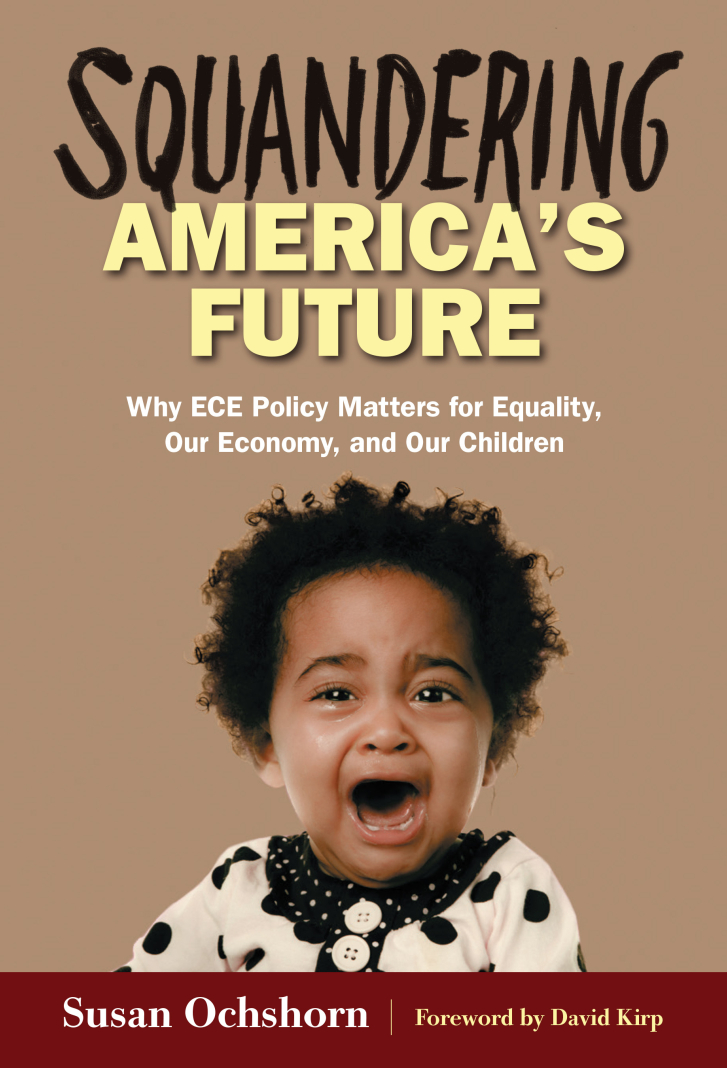
Squandering America’s Future offers an irreverent critique of the way we rear and educate children today, with profiles of change makers—ingenious gymnasts who keep their balance on the three-legged stool of research, practice, and policy.

Three lessons on accelerating targeted social change through network building.
Online advising promises to connect low-income, first-generation students to college and career opportunities.


Large-scale social change requires broad cross-sector coordination, not the isolated intervention of individual organizations.

American educators, policymakers, and philanthropists are overselling the role of the highly skilled individual teacher and undervaluing the benefits that come from teacher collaborations.
Both human-centered and systems-thinking methods fit within an effective design approach, and can work in conjunction to address social challenges.
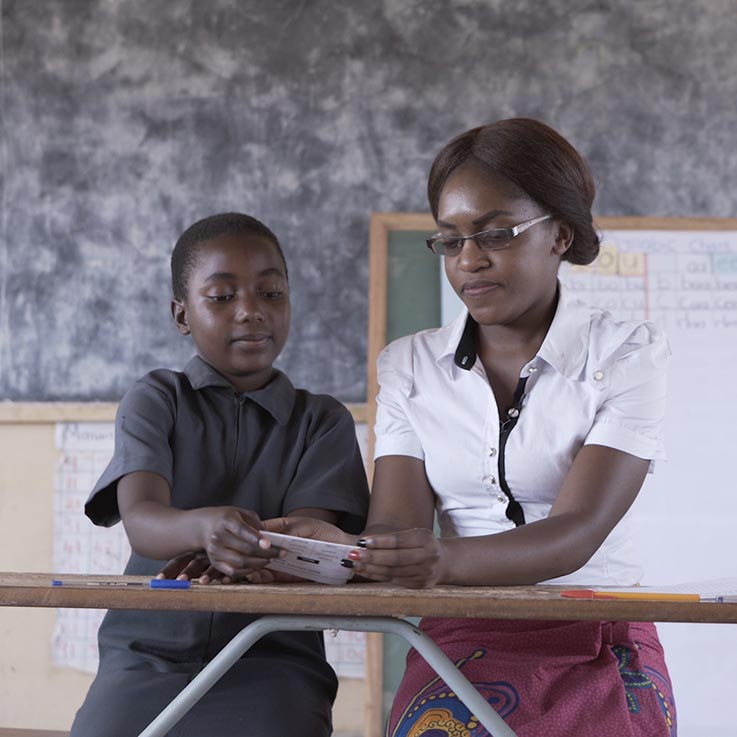
Research from the Abdul Latif Jameel Poverty Action Lab (J-PAL) and its partners shows how to help children learn amid erratic access to schools during a pandemic, and how those solutions may make progress toward the Sustainable Development Goal of ensuring a quality education for all by 2030.

How standardized testing, gentrification, school choice, and economic downturn have widened inequality to create an existential threat to democracy.