


Sustainability Backsliding Doesn’t Have to Mean Back to Square One
How companies are responding to US policy changes and what they should do instead

How companies are responding to US policy changes and what they should do instead
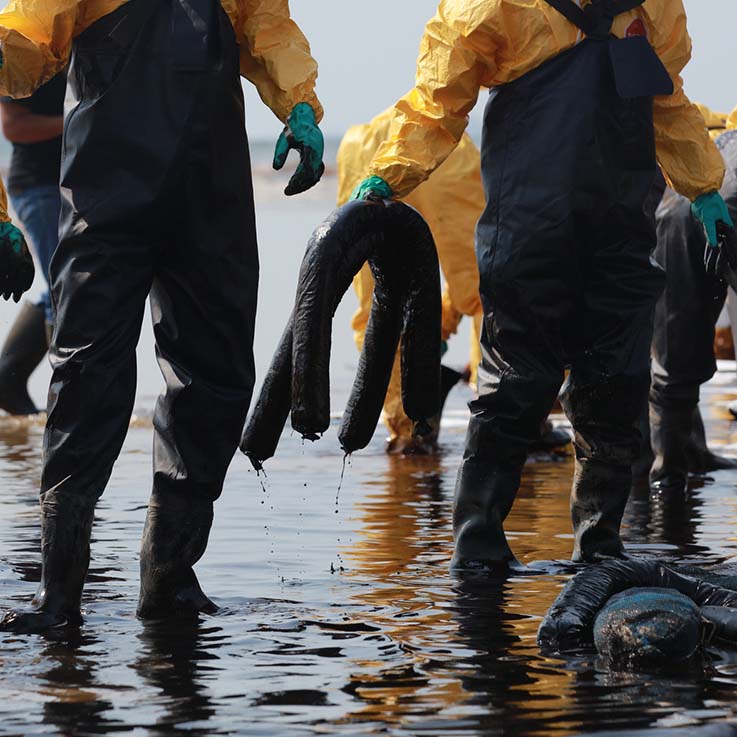
How communities across the globe are using technology to break the oil and gas monopoly on information

The climate-driven wildfire crisis calls for a comprehensive, cross-sector approach to funding, research, and action.

A warming world is causing adverse psychological and emotional impacts for many young people. Universities may be able to help by building opportunities for students to take relevant action beyond the classroom.

Engaging directly with business was never the environmental movement’s first choice—and for good reason.


The era of corporations integrating sustainable practices is being surpassed by a new age of corporations actively transforming the market to make it more sustainable. Open access to this article is made possible by The Regents of the University of Michigan on behalf of the Erb Institute.

Long hailed as a major piece of the climate solution, sustainable business practices have not only fallen short: They even enable the continued dominance of fossil fuel.

If humanity is to survive the climate crisis, we must manage a just and orderly transition away from fossil fuels. The correct models for this resolution are triage, euthanasia, and hospice.
Open-access to this article made possible by University of Michigan.

Executives from 10 major corporations discuss the innovative ways that they are putting societal issues at the core of their companies’ strategy and operations.

Unless clean tech follows well-established rules of innovation and commercialization, the industry’s promise to provide sustainable sources of energy will fail.