Insuring a More Resilient Society
By quantifying catastrophe risk, we can help society better manage it, and make the world safer and more resilient.
By quantifying catastrophe risk, we can help society better manage it, and make the world safer and more resilient.

Katrina Benjamin describes the environmental sustainability problems associated with slavery, and suggests ways that organizations can work to eliminate slavery through cooperative social responsibility.
Setting aspirational goals can inspire more people to get involved in your cause—and meaningful milestones can keep them engaged.
A culture of strategic planning can provide a framework for aligning priorities, making decisions, allocating resources, and measuring impact.
Examples from South Asia show there’s more to successful scaling than replicating a good model.


Large-scale social change requires broad cross-sector coordination, not the isolated intervention of individual organizations.

With an understanding of these 10 funding models, nonprofit leaders can use the for-profit world's valuable practice of engaging in succinct and clear conversations about long-term financial strategy.

By working closely with the clients and consumers, design thinking allows high-impact solutions to social problems to bubble up from below rather than being imposed from the top.
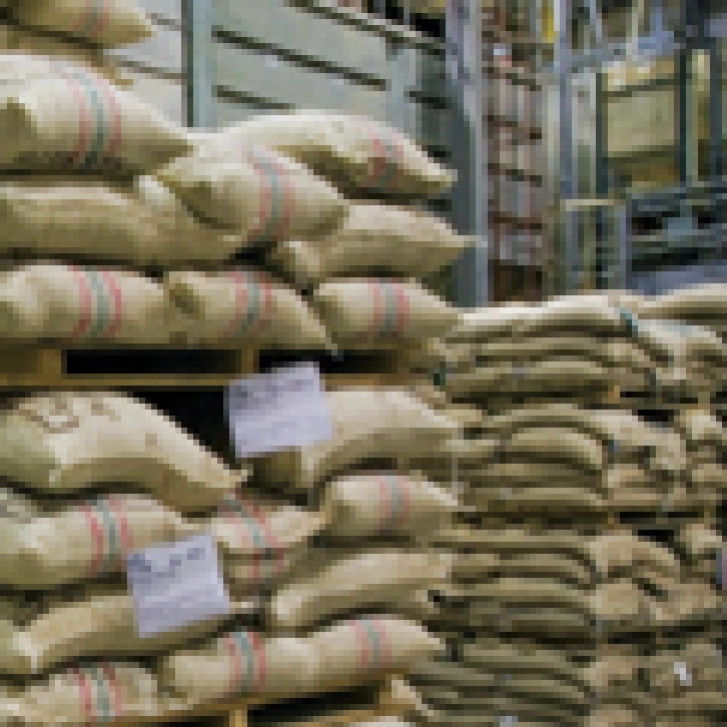
Fair Trade-certified coffee is growing in sales, but strict certification requirements are resulting in uneven economic advantages for coffee growers and lower quality coffee for consumers.

Our understanding of community can help funders and evaluators identify, understand, and strengthen the communities they work with.