Remaking the Food System
Investors and philanthropists must work together to generate more ecologically responsible and locally grown food for more people.
Investors and philanthropists must work together to generate more ecologically responsible and locally grown food for more people.
A report from the 2013 Clinton Global Initiative and Social Good Summit—the trading floors of the new philanthrocapitalism.
The Nature Conservancy and Rare aim to achieve greater conservation impact—and they might just provide a new model for the nonprofit sector.
A seven-point approach to unleashing the forces of innovation and impact.

Pharmacy on a Bicycle explores innovative solutions to global health problems.


Large-scale social change requires broad cross-sector coordination, not the isolated intervention of individual organizations.

With an understanding of these 10 funding models, nonprofit leaders can use the for-profit world's valuable practice of engaging in succinct and clear conversations about long-term financial strategy.

By working closely with the clients and consumers, design thinking allows high-impact solutions to social problems to bubble up from below rather than being imposed from the top.
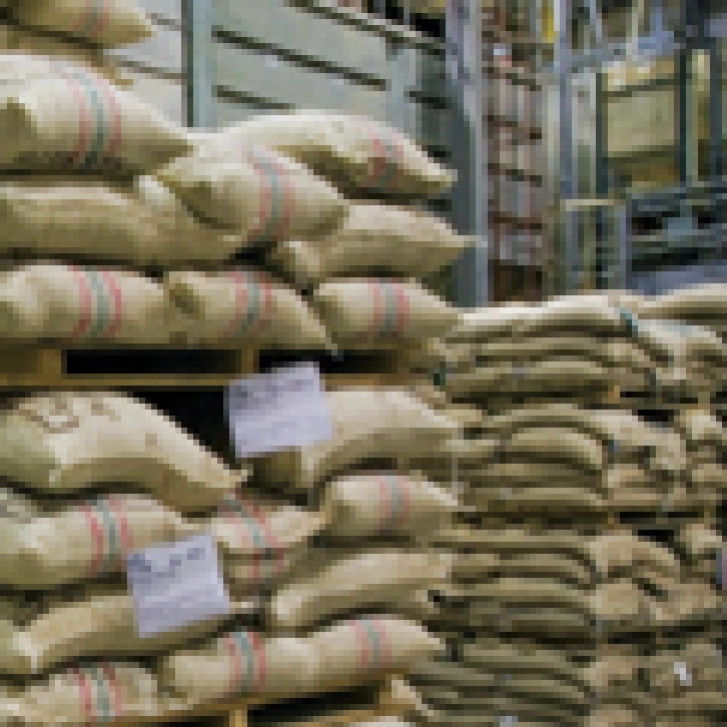
Fair Trade-certified coffee is growing in sales, but strict certification requirements are resulting in uneven economic advantages for coffee growers and lower quality coffee for consumers.

Our understanding of community can help funders and evaluators identify, understand, and strengthen the communities they work with.