


Crash Into Housing
How the Bama Works Fund mobilized private, public, and philanthropic capital to transform public housing

How the Bama Works Fund mobilized private, public, and philanthropic capital to transform public housing

To close the digital divide, we need a capital market that powers community broadband.

In this funding crisis, we need to play the long game and build independent capacity for the long term.

An ecosystem approach to investing in and supporting mutualist enterprises—from the ground up.
What do nonprofit advocacy efforts look like, and how can donors support advocacy work on social issues they care about? Kenneth G. Hodder, former national commander of the Salvation Army, and Debby Bielak, a partner at the Bridgespan Group, join DAFgiving360’s Fred Kaynor and SSIR editor Barbara Wheeler-Bride to discuss how elections impact charitable giving and how nonprofits can tap into the energy of the political environment to fund their mission. A sponsored podcast developed with the support of DAFgiving360


Large-scale social change requires broad cross-sector coordination, not the isolated intervention of individual organizations.

With an understanding of these 10 funding models, nonprofit leaders can use the for-profit world's valuable practice of engaging in succinct and clear conversations about long-term financial strategy.

Laws and programs designed to benefit vulnerable groups, such as the disabled or people of color, often end up benefiting all of society.
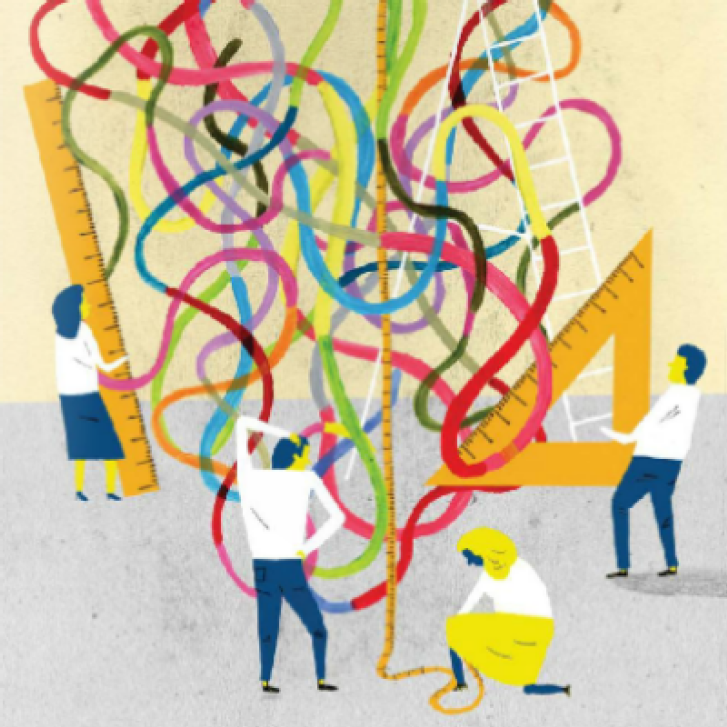
Too many people believe social value is objective, fixed, and stable, when in fact it is subjective, malleable, and variable.

Six pathways to making housing more affordable and available from the Ivory Prize for Housing Affordability.