


sponsored
Investing in Population-Level Change
Five insights about social mobility and the role of big bet philanthropy.
Five insights about social mobility and the role of big bet philanthropy.
It is imperative to include customers in solving problems, but jumping straight into human-centered design misses the rich and insightful data required to shift the system and achieve better results.

New experiments with civic engagement, outreach, and philanthropic models in Philadelphia offer inspiration for leaders across the social sector.

Three guiding principles for NGOs looking to find where they best fit within government-run systems and ensure long-term impact.
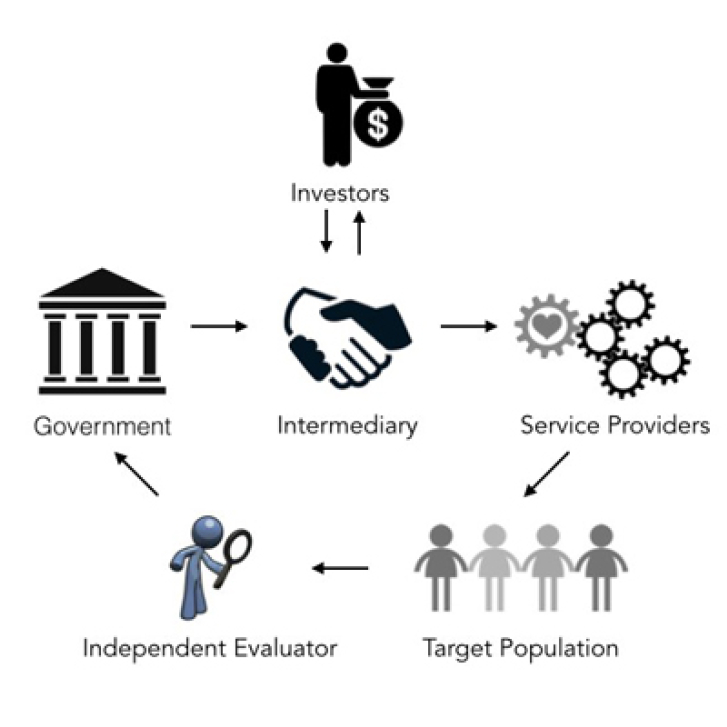
A look at how social impact bonds differ between projects and geographies, and how those differences impact practical implementation.


Large-scale social change requires broad cross-sector coordination, not the isolated intervention of individual organizations.

With an understanding of these 10 funding models, nonprofit leaders can use the for-profit world's valuable practice of engaging in succinct and clear conversations about long-term financial strategy.

Laws and programs designed to benefit vulnerable groups, such as the disabled or people of color, often end up benefiting all of society.
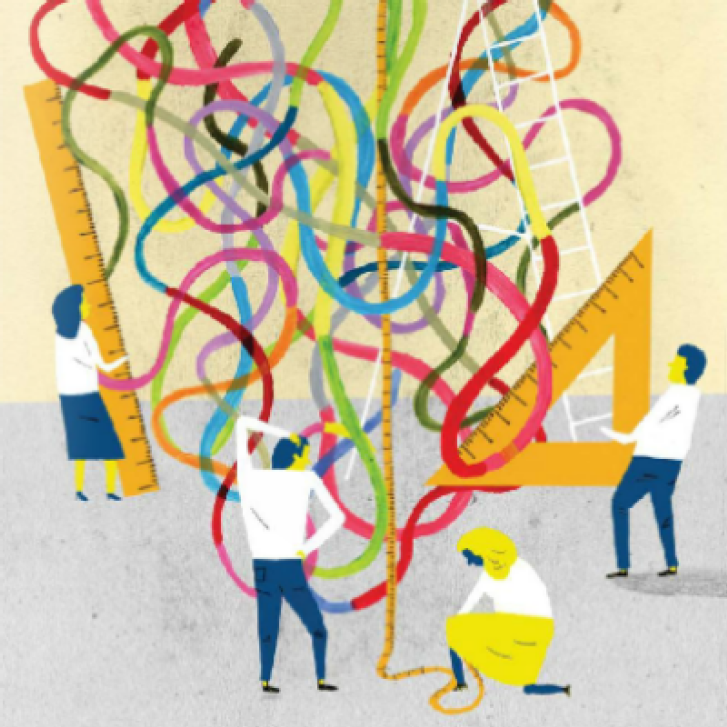
Too many people believe social value is objective, fixed, and stable, when in fact it is subjective, malleable, and variable.

Six pathways to making housing more affordable and available from the Ivory Prize for Housing Affordability.