


Rethinking the Global Development Convening
This year marks the last Clinton Global Initiative Annual Meeting. How might future global development convenings build on the meeting’s success to create even greater impact?

This year marks the last Clinton Global Initiative Annual Meeting. How might future global development convenings build on the meeting’s success to create even greater impact?

Meeting today’s growing conservation challenges requires that we find new ways of thinking about and practicing conservation, rooted in solving social problems through scalable methods and prototypes that deliver results.
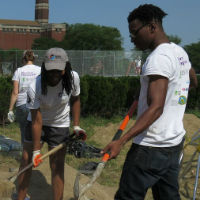
By transforming municipal volunteering programs into “impact volunteering” efforts, leaders and citizens can lay a foundation for civic renewal.

The White House, manufacturing, e-commerce, and nonprofits team up to get diapers to families in need.

A partnership between a ride-sharing company, a municipal transportation authority, and Ford is expanding transit access in Kansas City.


Large-scale social change requires broad cross-sector coordination, not the isolated intervention of individual organizations.

With an understanding of these 10 funding models, nonprofit leaders can use the for-profit world's valuable practice of engaging in succinct and clear conversations about long-term financial strategy.

Laws and programs designed to benefit vulnerable groups, such as the disabled or people of color, often end up benefiting all of society.

Too many people believe social value is objective, fixed, and stable, when in fact it is subjective, malleable, and variable.

Six pathways to making housing more affordable and available from the Ivory Prize for Housing Affordability.