


A Plan for Healing
After a period of war and genocide, Rwanda launched a national health insurance program that is now delivering sharply improved outcomes.
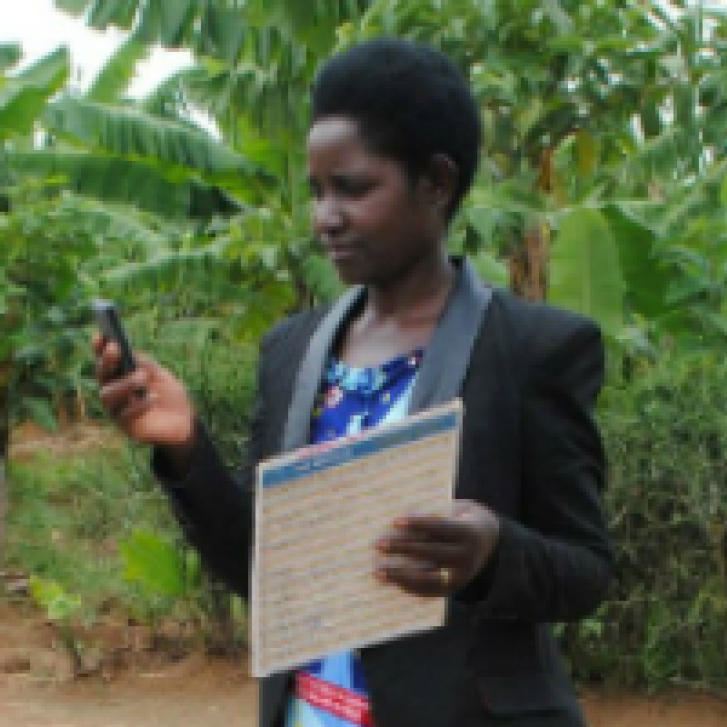
After a period of war and genocide, Rwanda launched a national health insurance program that is now delivering sharply improved outcomes.
There is an urgent need to expand the infrastructure for results-based policymaking at all levels of the US government.

A pilot project in China aims to give the country’s family-planning agency a new mission: supporting early child development.
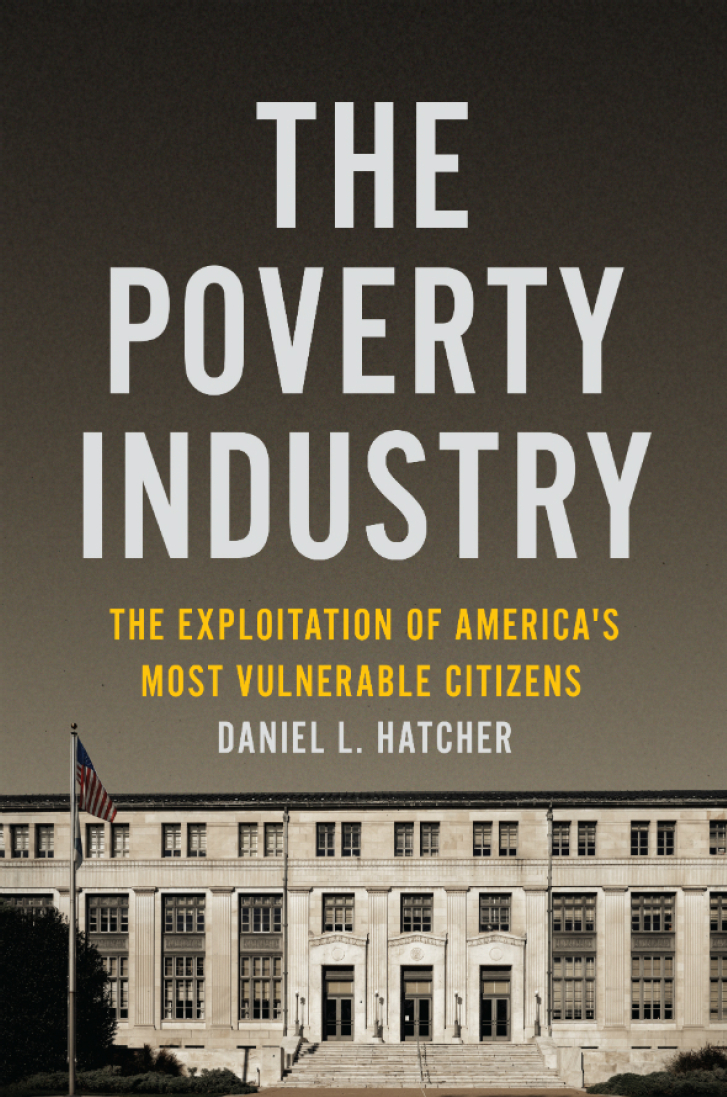
How social services agencies are squeezing revenue from the poor and vulnerable people they’re meant to serve.
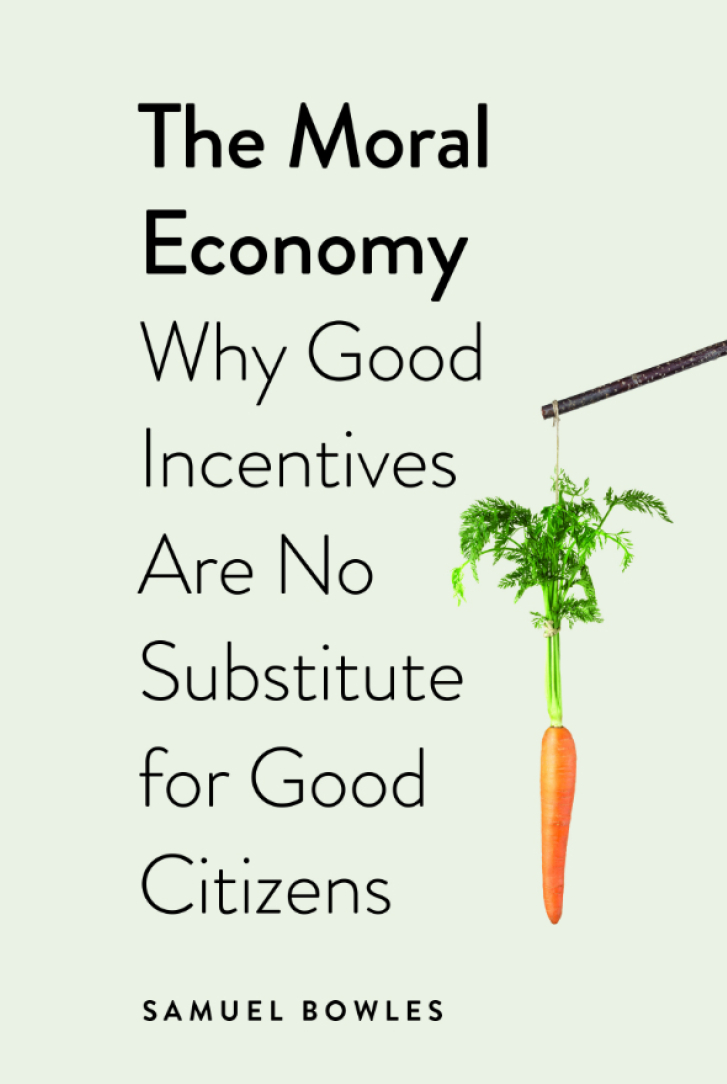
When we pay people to do things that they know they should be doing as good citizens, they tend to devalue the moral basis for acting that way.


Large-scale social change requires broad cross-sector coordination, not the isolated intervention of individual organizations.

With an understanding of these 10 funding models, nonprofit leaders can use the for-profit world's valuable practice of engaging in succinct and clear conversations about long-term financial strategy.

Laws and programs designed to benefit vulnerable groups, such as the disabled or people of color, often end up benefiting all of society.
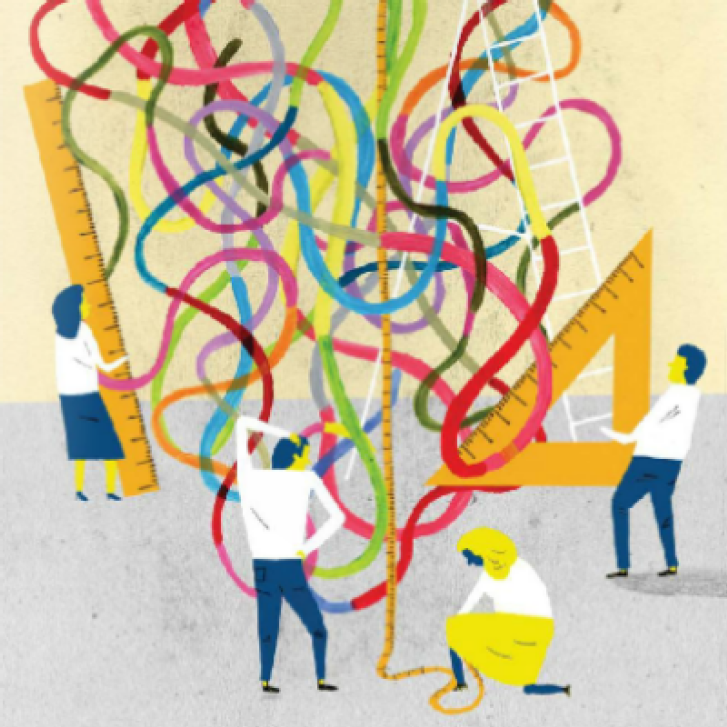
Too many people believe social value is objective, fixed, and stable, when in fact it is subjective, malleable, and variable.

Six pathways to making housing more affordable and available from the Ivory Prize for Housing Affordability.