


When Social Change Requires Behavioral Change
Leaders behind two social impact efforts in India discovered that before they could improve lives, they first had to shift mindsets.
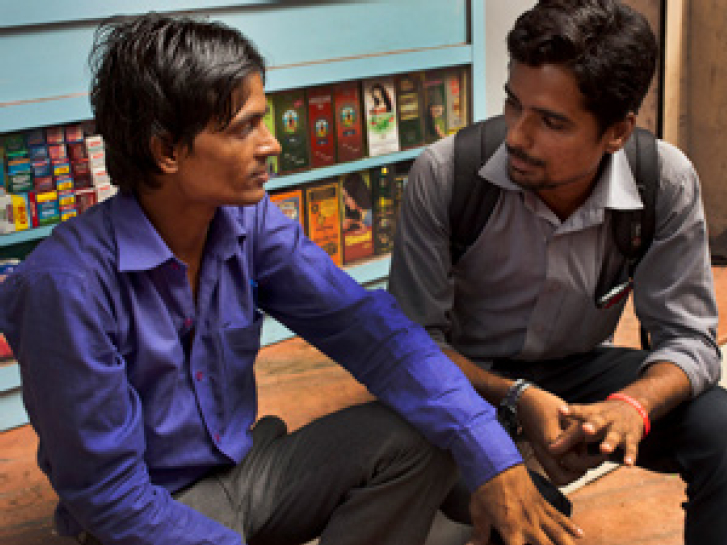
Leaders behind two social impact efforts in India discovered that before they could improve lives, they first had to shift mindsets.

In order to change the odds for marginalized children, social organizations must root their racial equity work in a commitment to learn from and be led by those who have experienced inequity themselves. This is the eighth of 10 articles in a special series about diversity, equity, and inclusion.

Lessons on racial equity underscore the need to set explicit aims, build coalitions, and flatten hierarchies in order to strengthen healthcare’s role in undoing systems of oppression. This is the seventh of 10 articles in a special series about diversity, equity, and inclusion.

A framework for nonprofit and private-sector organizations working to transfer the implementation of their solutions to government agencies.
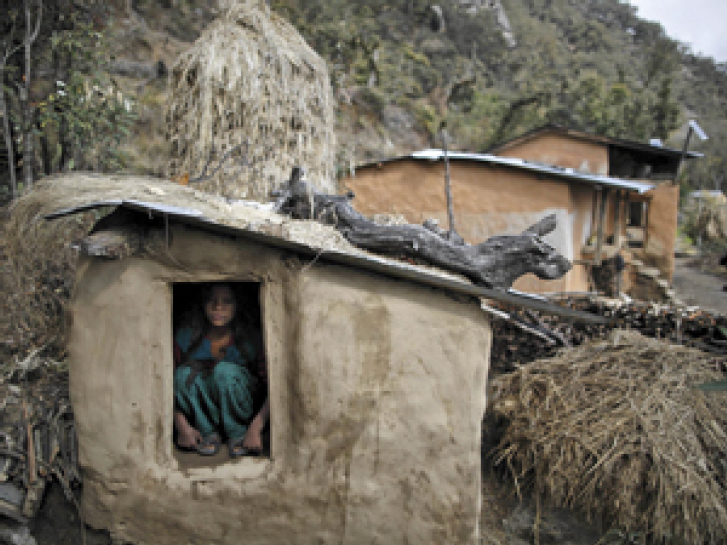
Women’s rights and human rights organizations take aim at the tradition of "menstrual exile" through creating broad access to scientific knowledge that destigmatizes menstruation.


Our understanding of community can help funders and evaluators identify, understand, and strengthen the communities they work with.

Two veterans of consumer psychology, marketing, and entrepreneurship provide a guide to using social media for social change.

Instead of pressuring already-stressed individuals to fix themselves, true wellness requires organization-level interventions.

Using artificial intelligence to predict behavior can lead to devastating policy mistakes. Health and development programs must learn to apply causal models that better explain why people behave the way they do to help identify the most effective levers for change.

Two years ago I quit my nonprofit CEO job. I’ve just had the two most productive years of my career.