

How to Transition Social Solutions to Government
A framework for nonprofit and private-sector organizations working to transfer the implementation of their solutions to government agencies.

A framework for nonprofit and private-sector organizations working to transfer the implementation of their solutions to government agencies.
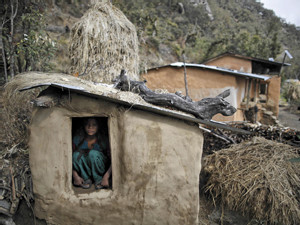
Women’s rights and human rights organizations take aim at the tradition of "menstrual exile" through creating broad access to scientific knowledge that destigmatizes menstruation.

Grantmakers In Health presents a snapshot of the latest thinking from health funders, researchers, and advocates on healthy eating and active living (HEAL) and healthy communities.

To ensure equitable health outcomes, we need to be explicit about goals, build transparent relationships with local communities, address underlying issues that drive health disparities, and measure and adjust outcomes accordingly.

Building effective policy advocacy campaigns, creating programs that support sustainable systemic changes, and engaging parents to identify and advocate for critical issues are all key to supporting healthy schools and communities.


Our understanding of community can help funders and evaluators identify, understand, and strengthen the communities they work with.

Two veterans of consumer psychology, marketing, and entrepreneurship provide a guide to using social media for social change.

Instead of pressuring already-stressed individuals to fix themselves, true wellness requires organization-level interventions.

Using artificial intelligence to predict behavior can lead to devastating policy mistakes. Health and development programs must learn to apply causal models that better explain why people behave the way they do to help identify the most effective levers for change.

Two years ago I quit my nonprofit CEO job. I’ve just had the two most productive years of my career.