The Art (and Science) of Being Behind
Successful nonprofit leaders anticipate falling behind schedule—but also know how to catch up.
Successful nonprofit leaders anticipate falling behind schedule—but also know how to catch up.

The former USAID administrator, and president of one of the United States’ largest foundations, reflects on the role of philanthropy in times of austerity and the greatest challenges Rockefeller is undertaking both domestically and abroad.
Lessons from a lifetime of leadership on the importance of finding common ground and fostering a culture of collaboration.
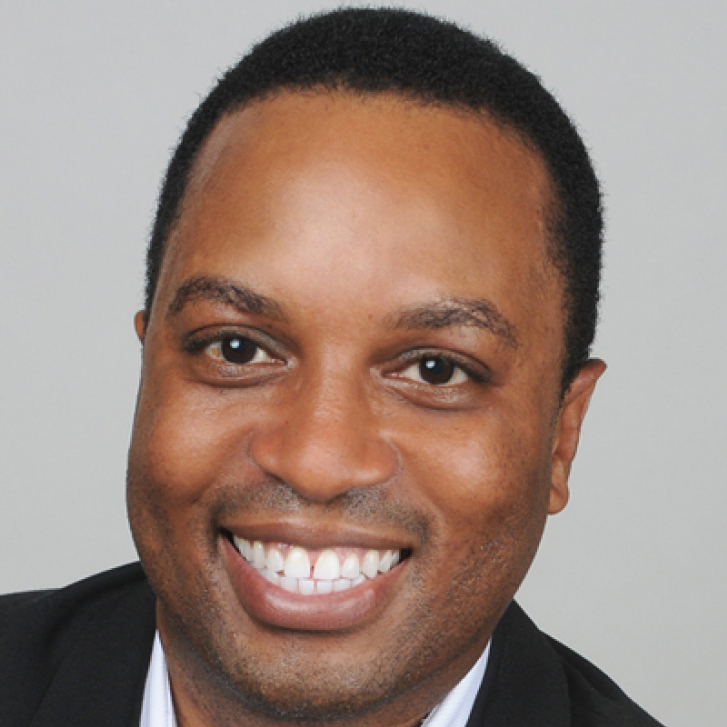
PolicyLink President Michael McAfee shares how he “lives” the work of equity by promoting just and fair inclusion to help form a society in which all can participate, prosper, and reach their full potential.
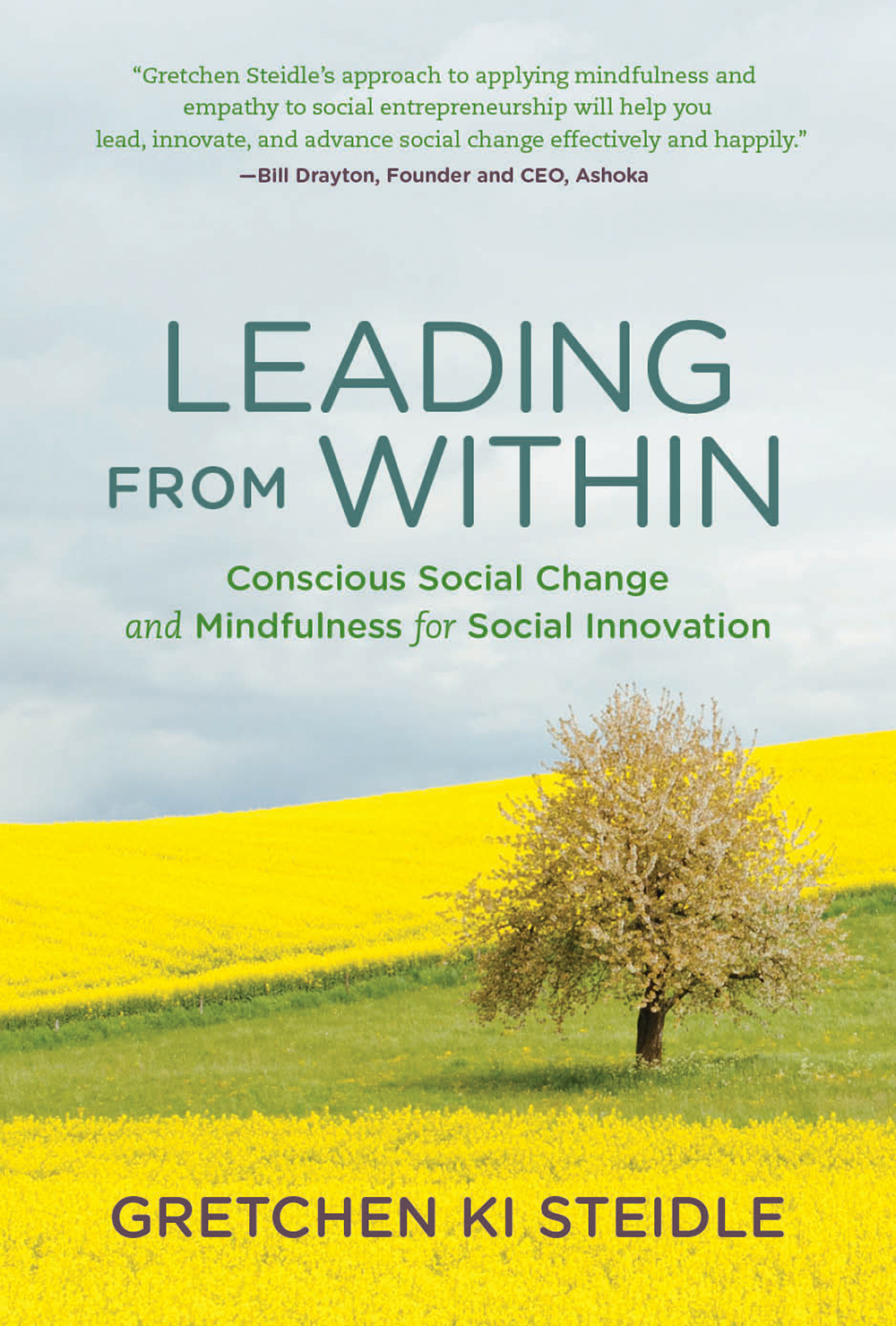
How mindfulness can help us become more effective social change leaders.


Professionalism has become coded language for white favoritism in workplace practices that more often than not leave behind people of color. This is the fourth of 10 articles in a special series about diversity, equity, and inclusion.

Social entrepreneurship is attracting growing amounts of talent, money, and attention, but along with its increasing popularity has come less certainty about what exactly a social entrepreneur is and does.

Conventional wisdom says that scaling social innovation starts with strengthening internal management capabilities. This study of 12 high-impact nonprofits, however, shows that real social change happens when organizations go outside their own walls and find creative ways to enlist the help of others.

Business leaders play vital roles in the nonprofit sector – as board members, donors, partners, and even executives. Yet all too often they underestimate the unique challenges of managing nonprofit organizations.

The deep changes necessary to accelerate progress against society's most intractable problems require someone who catalyzes collective leadership.