


ESG Needs a Shared Language
As a cross-sector collaboration, ESG means different things to different people, but systems change will require building a shared understanding between diverse stakeholders.

As a cross-sector collaboration, ESG means different things to different people, but systems change will require building a shared understanding between diverse stakeholders.
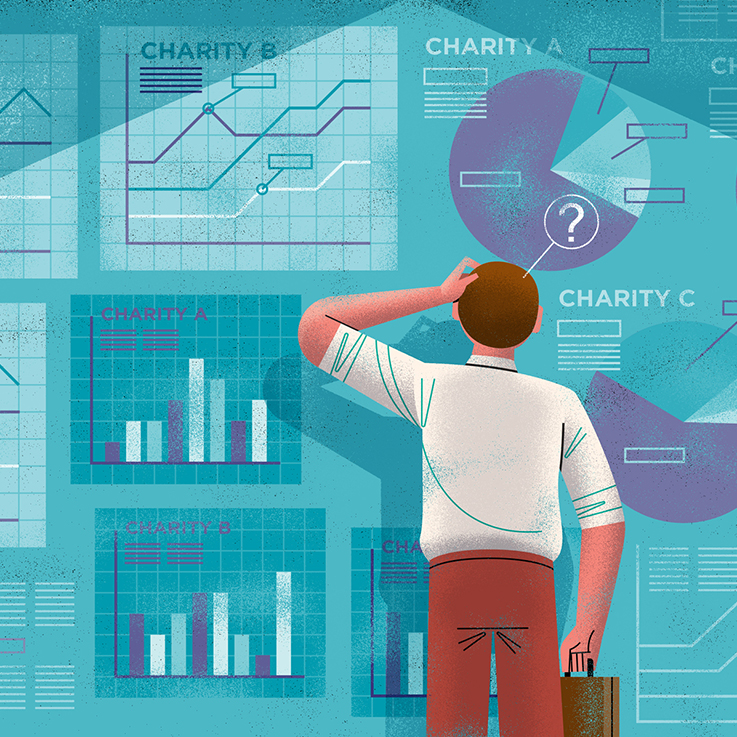
A recent study shows that comparable, easily digestible metrics shifted donations from charities with only a good pitch to those with demonstrable results.
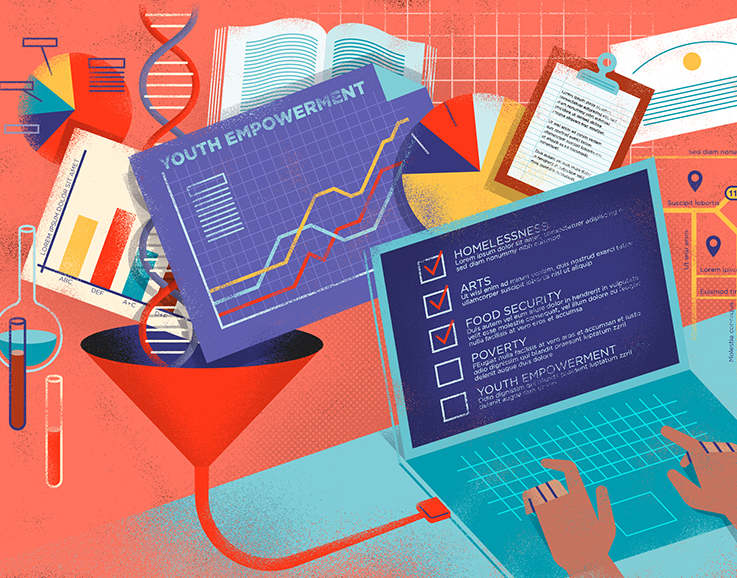
Wouldn’t it be great if you could simply report your program results and get them externally verified by a trusted third-party registry? It’s not as impossible as it sounds—in fact, we’re close.

Before we rush back into large in-person gatherings, we should strategize about how we can make them more impactful.

By adopting tools from Bayesian rationalist analysis, social justice philanthropy can become more ambitious and impactful.


Funders are calling for more program evaluation, but nonprofits are often collecting dubious data, at great cost to themselves and ultimately to the people they serve.

For NGOs, impact comes in different forms and to track the cycles of social change work, we must think across the tangibility and the speed of emergence of change.

With an understanding of these 10 funding models, nonprofit leaders can use the for-profit world's valuable practice of engaging in succinct and clear conversations about long-term financial strategy.

Conventional wisdom says that scaling social innovation starts with strengthening internal management capabilities. This study of 12 high-impact nonprofits, however, shows that real social change happens when organizations go outside their own walls and find creative ways to enlist the help of others.

Unethical behavior remains a persistent problem in nonprofits and for-profits alike. To help organizations solve that problem, the authors examine the factors that influence moral conduct, the ethical issues that arise specifically in charitable organizations, and the best ways to promote ethical behavior within organizations.