Are You Ready for the Big Shift?
So many people in the stage of life after midlife and before true old age have so much experience, time, and capacity to do something significant.
So many people in the stage of life after midlife and before true old age have so much experience, time, and capacity to do something significant.
We will need nothing short of quantum, nonprofit sector-wide change to accomplish our important missions in this new era of brutal austerity.
Insight into the cultural, philosophical, and historical factors that shape China’s emerging philanthropic efforts.
Nonprofits should seek for-profit allies who are interested and invested in their causes—even if they don’t walk into the first meeting with a signed check.

Why local ownership and commitment are the exception in most development efforts—and what development professionals can do about this problem.


Funders are calling for more program evaluation, but nonprofits are often collecting dubious data, at great cost to themselves and ultimately to the people they serve.

Large-scale social change requires broad cross-sector coordination, not the isolated intervention of individual organizations.
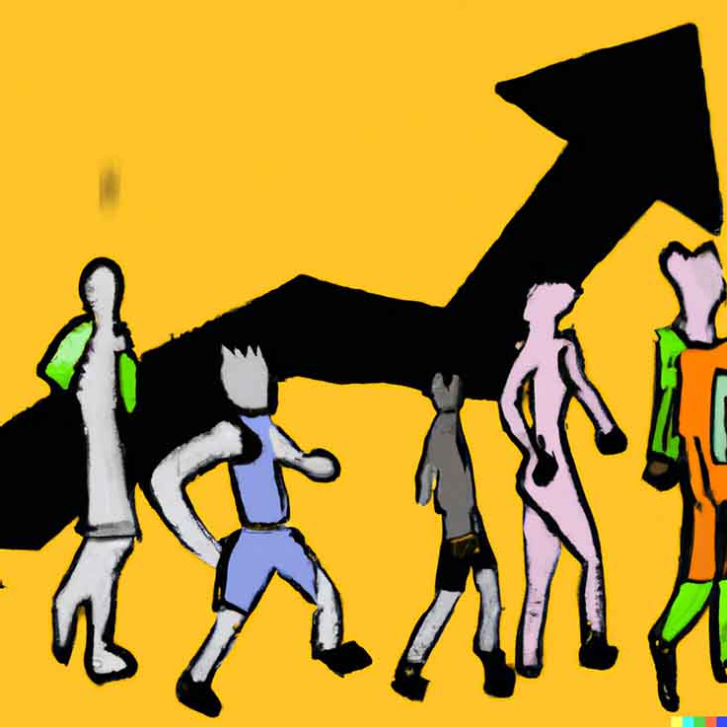
For NGOs, impact comes in different forms and to track the cycles of social change work, we must think across the tangibility and the speed of emergence of change.

With an understanding of these 10 funding models, nonprofit leaders can use the for-profit world's valuable practice of engaging in succinct and clear conversations about long-term financial strategy.

Fair Trade-certified coffee is growing in sales, but strict certification requirements are resulting in uneven economic advantages for coffee growers and lower quality coffee for consumers.